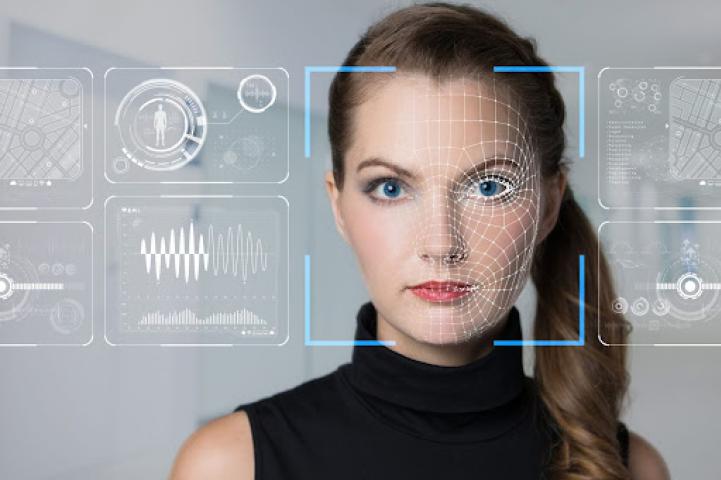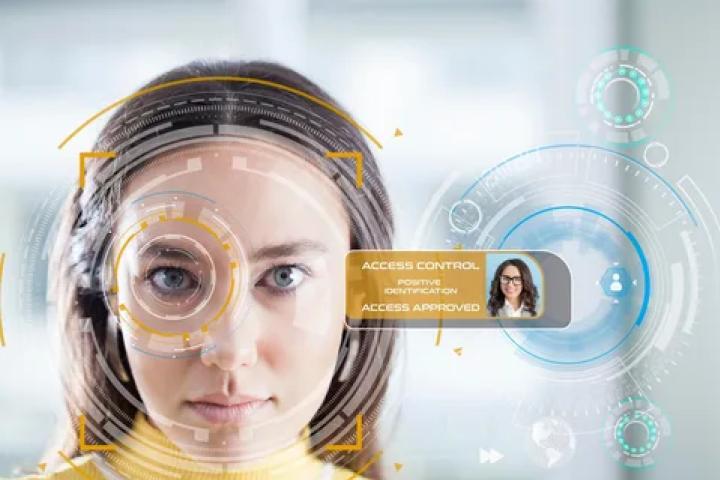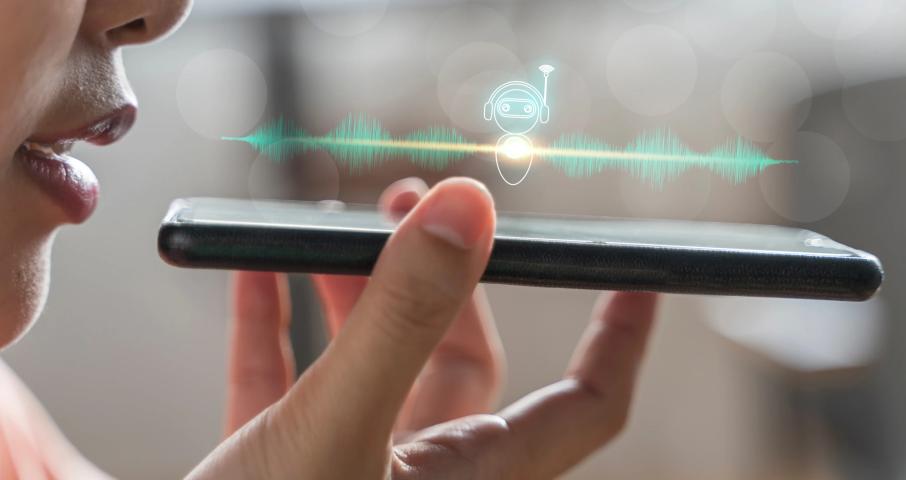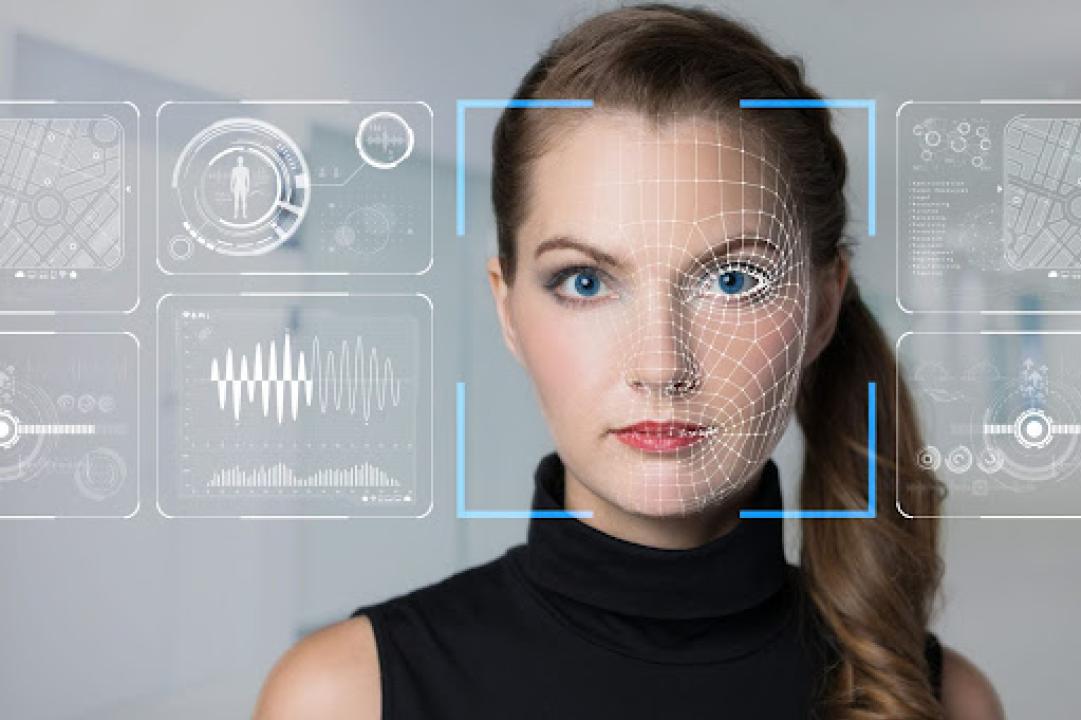
Liveness detection in a more digitalized world has become a central part of identity fraud prevention, particularly in identity systems based on facial recognition. Although numerous organizations migrated their biometric systems to cloud-based solutions, on-premise liveness detection is a requirement, which is increasing at a very high rate. In certain industries where the data must be tightly controlled, with low latency, or that are regulated by specific rules, in-house hosting of liveness detection systems can be a compelling substitute to cloud computing.
What is Liveness Detection?
Liveness detection is the process that identifies that a biometric sample: a face or a fingerprint, is provided by a live individual, as opposed to by a spoof or a presentation attack (a photograph or a video, a 3D face mask, etc.). It serves as a crucial protective mechanism of face recognition systems to which the biometric input is not bypassed.
Contemporary liveness detection methods are built to be silent and real-time, meaning that users do not need to do anything special (such as blinking or moving their head). These are referred to as passive liveness checks and tend to be simpler to use and safer in comparison to aggressive liveness checks.
Why On-Premise?
Although the cloud-based services have been shown to be scaled and easy to integrate, they cannot be applicable in all instances. That is why an increasing number of businesses are resorting to on-premise liveness detection:
1. Data Privacy and Compliance
Healthcare, finance, and government are the industries where the information is very sensitive and has to be regulated (according to GDPR, HIPAA, and others). The transfer of facial biometric data to the cloud to process it may be of concern with regards to data sovereignty and breach.
With everything face recognition related, including liveness detection, on-prem, organizations are in complete control of their information. This will assist in achieving compliance requirements and minimize the likelihood of information leakages by third parties.
2. High Performance and Low Latency.
Cloud latency can be a constraint in a system where speed is essential, like a border control, a secure access system to a facility or a time-bound transaction. Facial recognition solutions that run on-premise reduce latency since the user process works with data on-premise resulting in quicker authentication and an improved user experience.
This is especially in the case of real-time access control systems whereby every second matters. With instantaneous liveness detection, the system does not become a bottleneck to operational workflows.
3. Customization and Flexibility.
On-premise liveness deployment allows organizations to customize the solution to their requirement. On-premise systems can provide a lot of control and flexibility whether it is extending an existing security infrastructure or specific environment (such as low lighting or heavy throughput) tuning of the algorithms.
The On-Premise Liveness Detection process.
Typically in a real-world, on-premise, facial recognition system, the liveness detection module remains in the same local environment as the captured, and processed, biometric data. Here's a simplified workflow:
Image Capture: A camera records the facial information of the user in the authentication procedure.
Liveness Check: Prior to matching of the faces, the system uses liveness detection algorithms to ensure that the input is authentic.
Face Recognition: The facial image is compared with the stored database after passing the liveness test in order to verify identity.
Access Granted/Denied: According to the result the access is provided or denied.
The liveness verification could be based on texture matching, skin reflectivity, micro-motions or 3D depth data - all of which can be processed through the local network without any cloud dependency.
Important On-Premise Liveness Detection Advantages.
Improved Security: The system limits the size of the attack surface on the cyber threat by not transmitting data to the cloud.
Offline Operation: It is applicable in out of pocket or remote systems where the use of internet is restricted or absent.
Integration Capability: It is simpler to integrate with internal security systems, staff databases and local access controls.
Scalability: On-premise systems may need initial investment in infrastructure, but can be horizontally scaled with the growth of the organization.
Difficulties and Concerns.
On-premise facial recognition with a strong liveness detection is not implemented without difficulties. It demands:
Hardware Investment: The organizations need to purchase and upkeep high performance servers and cameras.
Technical Expertise: Within the organization, internal teams are required to handle the system installation, updates and maintenance.
Scalability Planning: Expansion should be planned, because expansion can be time consuming and costly.
Nevertheless, in spite of these difficulties, the advantages of the procedure exceed the obstacles in many organizations, especially in cases where security and control are of the highest priority.
On-Premise Liveness Detection Use Cases.
Secure Facility: On-premise systems are used in the defense contractors, research laboratories and the providers of critical infrastructure to provide restricted access.
Banking and Finance: Local liveness makes sure that customers are onboarded and verified in the branch.
Healthcare: Hospitals and clinics will be in a position to make sure that only the relevant staff have access to sensitive areas or medical records.
Airports and Borders: Rapid, precise identity checks are paramount - and on-premise system assist in supporting the high throughput requirements of an airport in a secure manner.
Conclusion
With the increasing integration of the biometric technology in our lives, there is an increased significance of safe and quality authentication. On-premise liveness detection provides an effective approach to organizations that require to have full control of data, rapid response, and scalability. It can offer high level of defense against identity fraud and spoofing in combination with sophisticated face recognition algorithms.
You may be creating an access control system, you may be creating a secure customer onboarding system or you may be modernizing your current biometric infrastructure, but you may need to consider on-premises deployment as the unlock to the full potential of liveness and face recognition technologies.