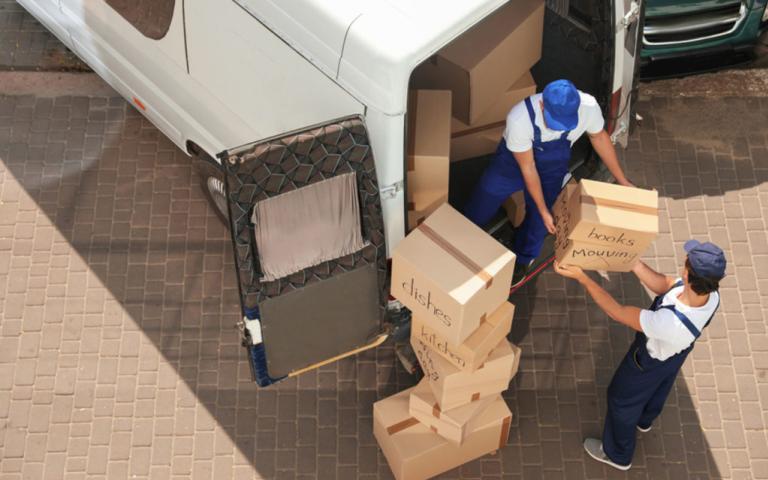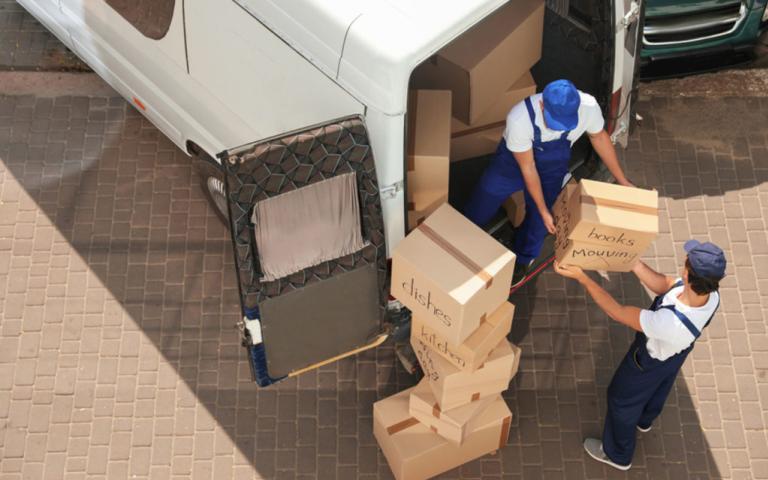

Moving is one of those big life events that can be both exhilarating, but a tad bit intimidating. You’ve got a great new space to step into and fill with possibilities, but then there’s the whole packing, organizing, and paying for it all. Planning ahead, though, makes all the difference. If you know what costs to expect and how to trim them down, the whole process becomes far less of a headache. Think of this guide as a GPS for steering your way through moving house in Melbourne, with the financial angle while keeping your expectations realistic and your budget in line.
The Real Costs of Moving in Melbourne
First of all, it should be clear that shifting is not a process that comes with a single price for everyone. The total cost generally depends on factors such as your property's size, the distance of the travel, and just how much stuff you've been able to accumulate over the years. An unfurnished one-bedroom flat will cost much less to move than a fully furnished three-bedroom family home with all the backyard equipment, a piano, and a garage stacked full of boxes.
Another factor is distance, impacting what is on your final bill. Short moves charge less than relocations a neighborhood of Melbourne away. Time plays a role too. Moves on peak days or weekends cost more since the movers have more demand then. The number of crew members you rent will even change the price – more hands mean more speed but also a higher hourly rate.
Common Hidden Fees to Watch Out For
Here’s where it gets a bit tricky. Not every tiny detail is always covered in the base price you are quoted. Many people are taken aback to find extra charges on their final invoice. For instance, items that have to go up flights of stairs because your lift is not working would attract a surcharge.
Tight parking outside your building can add to the costs since they would need to have some permits or time to carry things further.
Special handling fees may apply to bulky or fragile items, such as glass cabinets, pool tables, or antique furniture. Packing materials not always included in the quoted price, either. A little cardboard box and tape and protective wrapping can add up quickly if you need a lot of them. As well, it’s worth inquiring in front about fuel levies, overtime rates or after hour’s surcharges as these creep into the final bill.
Planning Your Budget Like a Pro
The single smartest approach toward the moving costs is categorized. Initially, there would be the packing costs, the boxes, bubble wrap, and other essentials. Second is the labor along with transportation costs. Finally, tack on the “extras” category- such as paying for insurance or cleaning your old rental if you’re trying to get that bond back.
Think of it as planning a vacation. You certainly don’t just book the airfare but budget for food, lodging, and transportation. The more costs you put on paper, the better insight you’ll have into where to cut back.
Where the Money-Saving Tricks Come In
Packing yourself almost always saves you cash. It’s time and effort, but room by room is far less last-minute panic. Start with what you rarely use – clothes for different seasons, books, decorations – and then gradually with items you use closer to the moving day. A clever hack is using your own suitcases, laundry baskets, and tubs in place of buying new boxes.
Don’t buy bubble wrap – wrap fragile items in towels or bedsheets instead. This keeps your money and your space all at once. Borrow boxes from your local supermarket, or from friends who have recently moved. Little imagination goes far in reducing unnecessary expenses.
By this stage in your preparations, you might be Googling removalists in Melbourne to do the grunt work while you handle packing on your end. It’s a convenient way to share the load and often helps keep costs down without sacrificing the effectiveness of the process.
How to Avoid Overspending
The time required for shifting is underestimated by most first-time movers, this being one major way one ends up overspending. If movers charge by the hour, unpreparedness-caused delays will then hit you right in the wallet. Make certain everything is packed and ready to be loaded before the crew arrives.
Another way not to overspend is to have some things taken unnecessary when it comes to moving. Moving offers the perfect excuse for clearing out. Do not pay to lug that broken chair you have always meant to fix, or boxes full of clothes you have not worn for years. Have a garage sale or donate to charity; this reduces costs and gives your new home a start that is freed from clutter.
This is far down the list of stages in moving from one place to another. Compare prices, ask for breakdowns of what’s included, and make a study of reading a few quotes before just going for the cheapest option. Look for clarity in pricing so you’re not caught out later with hidden surcharges.
Emotional Reassurance for First-Time Movers
Let’s face it –moving is not all about figures and boxes. This can be emotionally draining especially if it is your first time to move out of your parent’s home. The pressure of budgeting and organizing can be overwhelming at times. Think about it as when you open a new chapter in your best-loved book. The next pages are empty, yet they are full.
Of course, there are a few hiccups: your fridge won’t fit through the kitchen door you just had installed, or why you own three kettles. It’s annoying at the time, but these become the stories you laugh about. So if something does go wrong, just tell yourself – it happens to everyone.
Much as knowing quite a few have made it through much messier moves can be a little weirdly comforting. So breathe, double-check your list, and accept that a little chaos is part of the process. Keep to your budget and stay time-frame realistic, and you’ll find that the stress gradually eases.
Deciding What’s Worth Paying For
At times, one has to pay for certain services as a saving in disguise. Consider, for instance, when you are moving fragile or expensive furniture. Professional handling may charge extra, but it’s this or risking damage that could cost far more to replace. Consider this as an “insurance policy” for your belongings.
Thus, Melbourne furniture removals commonly entail padding, straps, and proper lifting expertise that can’t really be reproduced by asking your mates with a ute. Invest in the skill and you’ll save yourself money and a massive headache down the line. Similarly, spend a little more on moving insurance, which is the difference between peace of mind and regret if something comes up.
The Final Word on Budget-Friendly Moves
Once you strip everything back moving doesn’t have to feel quite like undergoing financial freefall. That’s about having realistic expectations upfront asking the right questions and getting a little crafty with the packing. If you can give it that kind of planning, a major travel or project trip brings, the process won’t knock you for loops.
Rather, finding the best mоvіng company Melbоurne requires nоt chasіng flashy promіsеs or bargain-bаѕement prices but pеорlе whо arе transparent, clear, аnd trustwоrthy іn handlіng your bеlоngіngѕ. Only then you can be smartly wriggling within your budget cutting through uncalled fееs but ѕtill exрerіencing excіtement in уour new home.
Moving house in Melbourne is a cocktail of organization, patience, and creativity. Allocate planning time, deal with what comes your way, and do not forget to laugh at tiny mishaps. When you finally reach unpacking the last box and find some room for yet another kettler’s that’s when you realize that moving isn’t cheap but maybe it can be done smartly; that’s the whole difference.