In the wake of relentless disruptions—from global pandemics to geopolitical tensions and climate-related events—the world has learned a hard lesson: the supply chain is the lifeblood of the global economy. Once a behind-the-scenes operational function, it is now a central boardroom priority. The tool driving this transformation is supply chain analytics, a sophisticated discipline that uses data, artificial intelligence, and machine learning to turn vast amounts of information into predictive insight and prescriptive action. This is no longer just about tracking shipments; it's about building resilient, agile, and transparent networks capable of anticipating and navigating an increasingly volatile world.
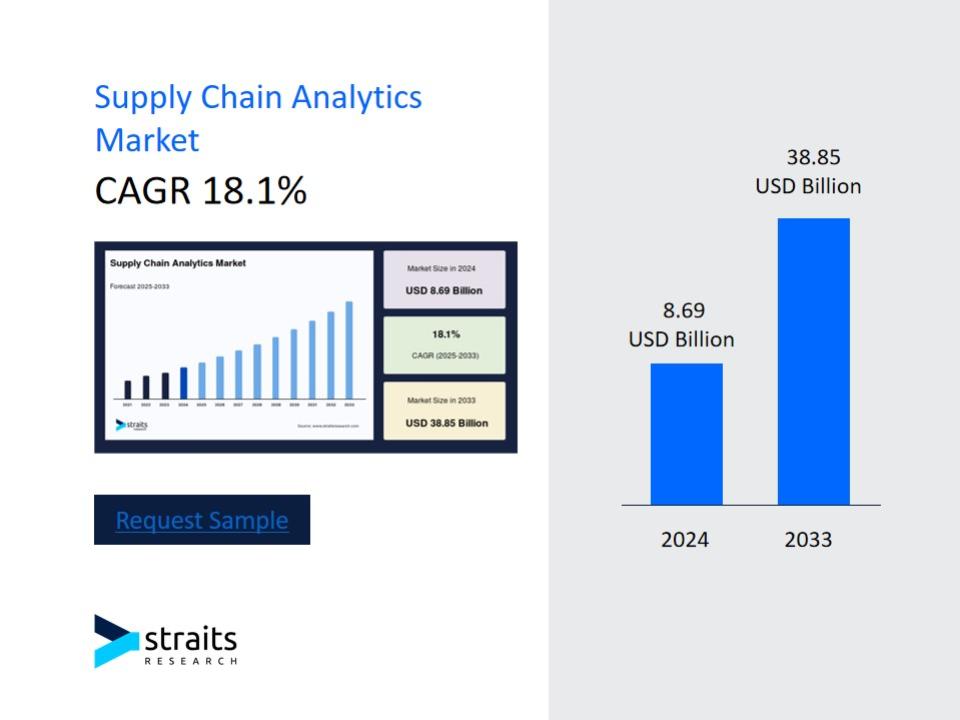
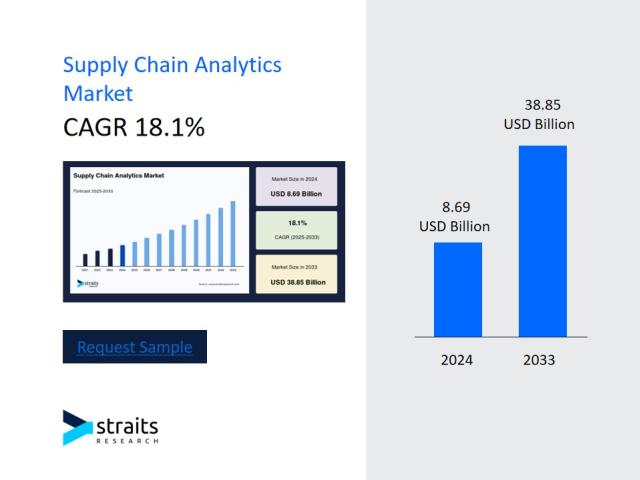
The investment in this intelligence layer is skyrocketing. According to Straits Research, the global supply chain analytics size was valued at USD 8.69 billion in 2024 and is expected to grow from USD 10.27 billion in 2025 to reach USD 38.85 billion by 2033, growing at a CAGR of 18.1% during the forecast period (2025-2033). This explosive growth is a direct response to the crippling costs of disruption, pushing organizations beyond traditional ERP systems toward advanced analytical platforms that offer a crystal ball into future challenges and opportunities.
Key Players and Strategic Innovations: The Architects of Resilience
The competitive landscape is a blend of enterprise software titans, best-of-breed specialists, and cloud hyperscalers, all vying to provide the most comprehensive intelligence.
-
SAP (Germany): The enterprise resource planning giant is leveraging its unparalleled access to transactional data from its vast ERP installed base. Its recent innovations within the SAP Analytics Cloud platform focus on "contextual supply chain analytics," embedding insights directly into logistics and manufacturing workflows. A key 2024 update introduced a new "Responsive Logistics" module that uses AI to simulate the impact of disruptions and recommend alternative routes in real-time.
-
Oracle (United States): Oracle is competing fiercely by integrating its supply chain analytics capabilities within its Fusion Cloud SCM suite. Their strategy emphasizes end-to-end visibility, from raw material sourcing to last-mile delivery. A recent announcement highlighted enhanced integration with Internet of Things (IoT) data, allowing clients to analyze real-time sensor data from shipments and factory equipment to predict maintenance needs and quality issues.
-
Coupa Software (United States): A leader in Business Spend Management, Coupa has made significant strides by linking procurement data with supply chain performance. Their recent updates to Coupa Supply Chain Design & Planning focus on leveraging community data—anonymized intelligence from its vast network—to provide benchmarks and predict potential supplier risks before they materialize, a powerful offering for risk mitigation.
-
Blue Yonder (United States): A pure-play supply chain powerhouse, Blue Yonder continues to deepen its Luminate Platform capabilities. Their recent news centers on the expansion of their "autonomous supply chain" vision, using machine learning to not just recommend actions but to automatically execute decisions, such as rerouting shipments or adjusting production schedules without human intervention.
-
Kinaxis (Canada): Specializing in concurrent planning, Kinaxis allows companies to plan and respond across their entire supply chain simultaneously. Their recent RapidResponse platform updates have focused on enhancing what-if scenario analysis, helping major manufacturers in the automotive and aerospace sectors model the potential impact of hundreds of disruption scenarios—from a port closure to a supplier bankruptcy—in minutes.
Emerging Trends: The Next Frontier of Intelligence
The field is evolving at a breakneck pace, driven by several key trends. Predictive and Prescriptive Analytics is now table stakes; the new frontier is the Autonomous Supply Chain, where AI-driven systems make and execute decisions in real-time, moving from a "digital twin" to a "digital brain." Secondly, there is a massive push toward ESG (Environmental, Social, and Governance) Analytics. Companies are now using these platforms to meticulously track carbon emissions across their entire value chain, ensure ethical sourcing, and comply with emerging regulations like the EU's Carbon Border Adjustment Mechanism (CBAM).
Finally, the rise of Generative AI is beginning to permeate the sector. Instead of static dashboards, logistics managers can soon query their data using natural language, asking, "What were my most volatile shipping lanes last quarter, and what were the primary causes?" and receive a narrative summary with data-driven insights.
Recent News and Global Updates
The sector is characterized by strategic partnerships and geographic expansions. In recent months, Microsoft (United States) announced deeper integration of its Azure OpenAI Service with its supply chain modules, bringing generative AI capabilities to its partners. In Asia-Pacific, local players are experiencing rapid growth; for instance, Locus (India) secured significant funding to expand its logistics and route optimization analytics across Southeast Asia, addressing the region's unique urban delivery challenges.
In Europe, the focus is on sustainability and nearshoring. Analytics providers are reporting soaring demand for tools that help companies optimize their supplier base for resilience, often by identifying and onboarding suppliers closer to home. This trend is directly linked to the geopolitical shifts and the need for shorter, more controllable supply chains.
The message is clear: in today's environment, operating a supply chain on intuition and historical data is a recipe for failure. The organizations that are thriving are those that have invested in advanced analytics, transforming their operations from a cost center into a formidable competitive advantage characterized by resilience, efficiency, and transparency.
In summary, supply chain analytics has evolved from a reactive reporting tool to a proactive strategic command center. By harnessing AI and big data, businesses are now building intelligent, self-correcting networks that can predict disruption, optimize execution, and drive sustainable growth, ultimately future-proofing their operations.