Introduction
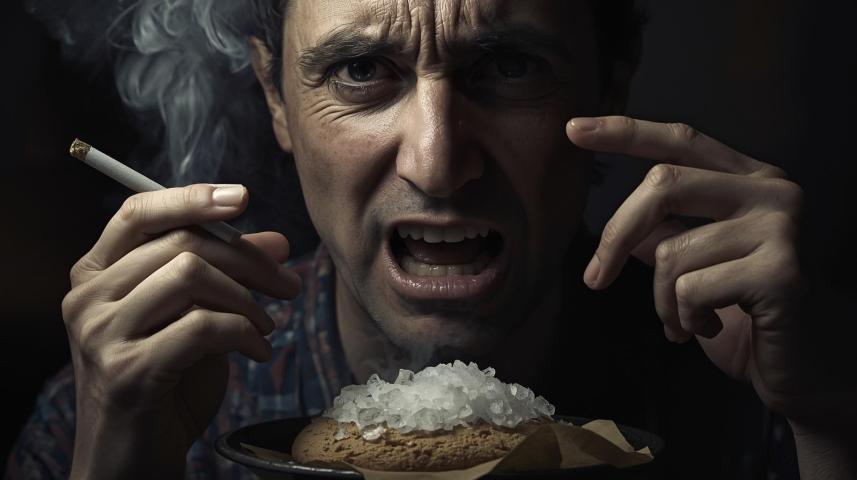
Quitting smoking is a powerful step towards better health, but it’s a journey that comes with challenges—not just the cravings for cigarettes, but often a surprising increase in sugar cravings. It might sound strange, but many people trying to quit smoking find themselves reaching for sweets more often. This is partly due to changes in brain chemistry and habits as the body adjusts to life without nicotine.
Understanding the long term effects of smoking reveals why quitting is so critical. Smoking harms nearly every organ, raising risks of heart disease, stroke, lung cancer, and many other conditions. Those risks make quitting not just advisable, but urgent. However, while kicking the smoking habit improves your health, controlling new cravings—especially for sugary foods—is an important part of staying on track. After all, some sugar-laden foods are among the worst foods for eye health and overall well-being.
This comprehensive guide will help anyone looking to quit smoking not only handle nicotine withdrawal but also manage sugar cravings effectively and healthily. Through practical tips, behavioral strategies, and nutritional advice, this post will support a smoke-free, balanced life>
The Long Term Effects of Smoking on Health
Before diving into quitting strategies, it's important to remember what exactly smoking does to your body in the long term. Smoking is directly linked to:
Lung diseases such as chronic bronchitis and emphysema
Increased risk of various cancers including lung, mouth, throat, and bladder
Cardiovascular problems like stroke and heart attack due to narrowed arteries
Reduced immune function and slow wound healing
Negative impacts on eye health, potentially contributing to macular degeneration
The damage can be extensive, but the upside is that quitting starts to repair your body almost immediately. Within hours of quitting, carbon monoxide levels in your blood drop, and over time, lung function improves. This is why understanding and remembering these long term effects of smoking can fuel motivation and determination during tough moments.
For those also worried about nutrition, some of the worst foods for eye health include sugar-heavy snacks and processed foods that increase inflammation and oxidative stress. Managing diet alongside quitting smoking can help protect eyes and improve overall health.
Why Sugar Cravings Increase When You Quit Smoking
Nicotine affects the brain’s reward system, and quitting can leave a gap that people often fill with sugar. Here’s why:
Nicotine boosts dopamine, the "feel good" chemical. Without it, the brain craves similar boosts.
Sugar also triggers dopamine release, so sweet foods become a tempting replacement.
Smoking dulls taste buds, and quitting sharpens them, sometimes intensifying sugar cravings.
Changes in blood sugar regulation during nicotine withdrawal can provoke hunger for quick energy sources like sweets.
The key is to recognize this natural pattern and prepare to navigate it smartly. Replacing smoking with healthy habits rather than sugary snacks protects your health and supports long term success.
Practical Tips to Control Sugar Cravings While Quitting Smoking
1. Choose Balanced, Nutrient-Dense Meals
Eating meals rich in protein, fiber, and healthy fats helps maintain steady blood sugar levels, reducing spikes that trigger sugar cravings. Examples include:
Grilled chicken or tofu with leafy greens and quinoa
Greek yogurt with nuts and berries
Whole grain toast with avocado and eggs
2. Healthy Snack Alternatives
Have satisfying, low-sugar snacks ready to reach for instead of candy, such as:
Fresh fruits like apple slices or berries
Raw veggies with hummus
Nuts and seeds
Air-popped popcorn
“Managing cravings is all about preparation and mindful choices. When cravings hit, having healthier alternatives on hand empowers you to stay smoke-free and feel great.”
3. Hydrate Well
Sometimes thirst masquerades as hunger or cravings. Drinking water regularly can help reduce unnecessary snacking on sweets and aid nicotine detox.
4. Practice the 5 Ds of Craving Management
Delay: Wait 10 minutes before acting on a craving.
Distract: Engage in a task or hobby to shift focus.
Deep Breathe: Calm your nervous system with slow, deep breaths.
Drink Water: Hydration helps reduce cravings.
Discuss: Talk with a friend or support person about your craving.
5. Avoid Worst Foods for Eye Health and Overall Wellbeing
Limit intake of sugary drinks, processed snacks, and fried foods. These worsen inflammation and oxidative stress, impacting eyes and increasing risks of chronic conditions.
Customized Strategies for Quitting Smoking Successfully
Quitting smoking and managing sugar cravings is not one-size-fits-all. Here are some approaches:
Nicotine Replacement Therapy (NRT): Patches, gum, or lozenges can ease withdrawal and reduce urges for cigarette and sugary snacks.
Behavioral Support: Counseling, quit lines, and support groups increase quit rates.
Physical Activity: Exercise not only distracts from cravings but also improves mood and reduces stress.
Restoring Health After Smoking: What to Expect
Your body rewards quitting immediately, yet patience and self-care remain essential. Expect periods of cravings and mood swings, and know that controlling sugar intake helps prevent weight gain and supports greater energy and eye health in the long run.
FAQs
1. Why do sugar cravings increase after quitting smoking?
Quitting reduces dopamine stimulation from nicotine, leading the brain to crave sugar’s similar dopamine boost. Managing these cravings with healthy alternatives is key.
2. What are some healthy snacks to replace sugary cravings?
Fresh fruits, raw veggies with hummus, nuts, and air-popped popcorn offer satisfying, low-sugar options during quitting.
3. How does quitting smoking benefit eye health?
Smoking accelerates eye diseases like macular degeneration; quitting reduces inflammation and oxidative damage, protecting vision long term.
4. Can nicotine replacement therapy help reduce sugar cravings?
Yes, NRT helps manage withdrawal symptoms and reduces the urge to replace cigarettes with sugary foods.
5. What’s the best way to avoid relapse due to sugar cravings?
Combining a balanced diet, hydration, distraction techniques, and support systems can effectively manage cravings and support successful quitting.