Achieving sustainable weight loss is about more than just calorie counting; it's about what you eat. A high protein diet is one of the most effective strategies for shedding pounds, not by starving yourself, but by working with your body's natural processes. This guide will walk you through the benefits of a high protein diet for weight loss, explain how much protein you need, and provide a sample meal plan to help you start your journey toward a leaner, stronger you.
The Power of Protein for Weight Loss
Protein is a macronutrient essential for building and repairing tissues, but its role in weight loss is particularly powerful. Here’s why a protein rich diet for weight loss works:
Boosted Metabolism: Your body burns calories simply by digesting food. This is known as the thermic effect of food (TEF). Protein has a significantly higher TEF than fats or carbohydrates, meaning you burn more calories to process it. A high-protein diet effectively gives your metabolism a small but consistent boost.
Increased Satiety: Protein keeps you feeling fuller for longer. Consuming protein-rich meals reduces the production of the hunger hormone ghrelin and increases the release of satiety hormones. This natural appetite suppression leads to a lower overall calorie intake without feeling deprived.
Muscle Preservation: When you lose weight, you risk losing both fat and muscle mass. Losing muscle is counterproductive because it lowers your resting metabolic rate. A protein-rich diet helps preserve your lean muscle mass during a calorie deficit, ensuring you burn fat, not muscle. This is key to a toned physique and a healthy, functioning metabolism.
These are just a few of the many benefits of a high protein diet.
How Much Protein Do You Need to Lose Weight?
A common question is, "how much protein do i need to lose weight?" The amount of protein you need depends on several factors, including your body weight, activity level, and goals. While the recommended dietary allowance (RDA) is 0.8 grams per kilogram of body weight, people actively trying to lose weight or build muscle often benefit from a higher intake.
A good starting point for most people is to aim for 1.6 to 2.2 grams of protein per kilogram of body weight (0.73 to 1.0 grams per pound). For example, a person weighing 150 pounds (68 kg) should aim for 110-150 grams of protein per day. To answer the question, "how much protein should i eat to lose weight?" you should distribute your protein intake throughout the day, aiming for about 20-30 grams per meal. This helps maintain satiety and provides a steady supply of amino acids for your muscles.
High-Protein, Low-Carb Diet: Is It Right for You?
A low carb high protein diet often pairs with weight loss. By limiting refined carbohydrates like white bread and sugar, you force your body to use fat for energy. This approach can lead to rapid initial weight loss, much of which is water weight. However, you should focus on including nutrient-dense, complex carbs like vegetables, fruits, and whole grains to ensure you get adequate fiber and nutrients.
Crafting Your Protein Meal Plan
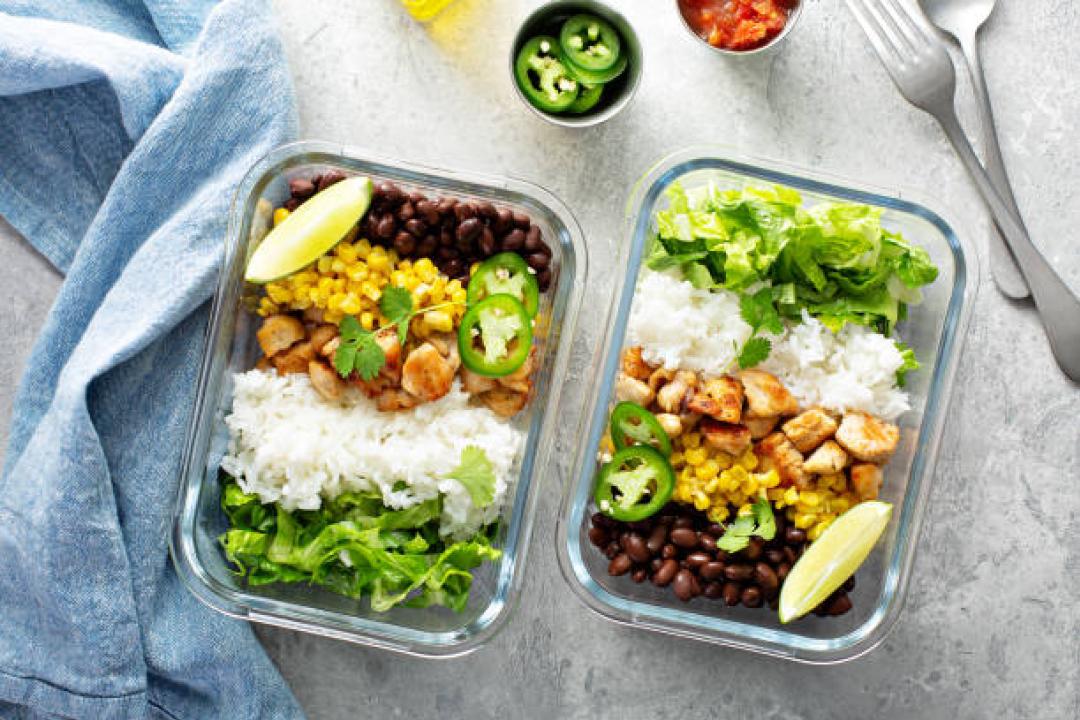
Creating a protein meal plan does not have to be complicated. Focus on building each meal around a lean protein source. A well-designed high protein weight loss diet prioritizes nutrient-dense foods that keep you feeling full and satisfied.
Sample 3-Day High-Protein Meal Plan
This is a general guide, and you can adjust portion sizes based on your individual needs. This plan includes excellent high protein meals for weight loss.
Day 1
Breakfast: Greek yogurt parfait with berries and a sprinkle of nuts.
Lunch: Grilled chicken salad with mixed greens, bell peppers, cucumbers, and a light vinaigrette.
Dinner: Baked salmon with roasted broccoli and sweet potato.
Day 2
Breakfast: Scrambled eggs with spinach and feta cheese.
Lunch: Quinoa bowl with black beans, corn, avocado, and salsa.
Dinner: Lean ground turkey stir-fry with a variety of vegetables and a light soy-based sauce.
Day 3
Breakfast: Protein smoothie made with whey or plant-based protein powder, almond milk, and a banana.
Lunch: Tuna salad (made with Greek yogurt instead of mayo) on whole-grain toast with a side of carrot sticks.
Dinner: Lean steak with a large side of steamed asparagus and a small portion of brown rice.
This protein diet for weight loss is easily adaptable. For a more specific approach, a high-protein meal plan for weight loss female might include slightly smaller portions or different macronutrient ratios tailored to women's needs.
Conclusion
Embracing a high-protein diet offers a powerful, science-backed strategy for achieving your weight loss and muscle-building goals. It helps you control your appetite, boost your metabolism, and preserve the muscle mass essential for a healthy body. Remember to choose lean, nutrient-rich protein sources and pair them with a balanced diet of complex carbohydrates and healthy fats. Before making a significant dietary change, always consult with a healthcare professional or a registered dietitian to ensure the plan is right for you.