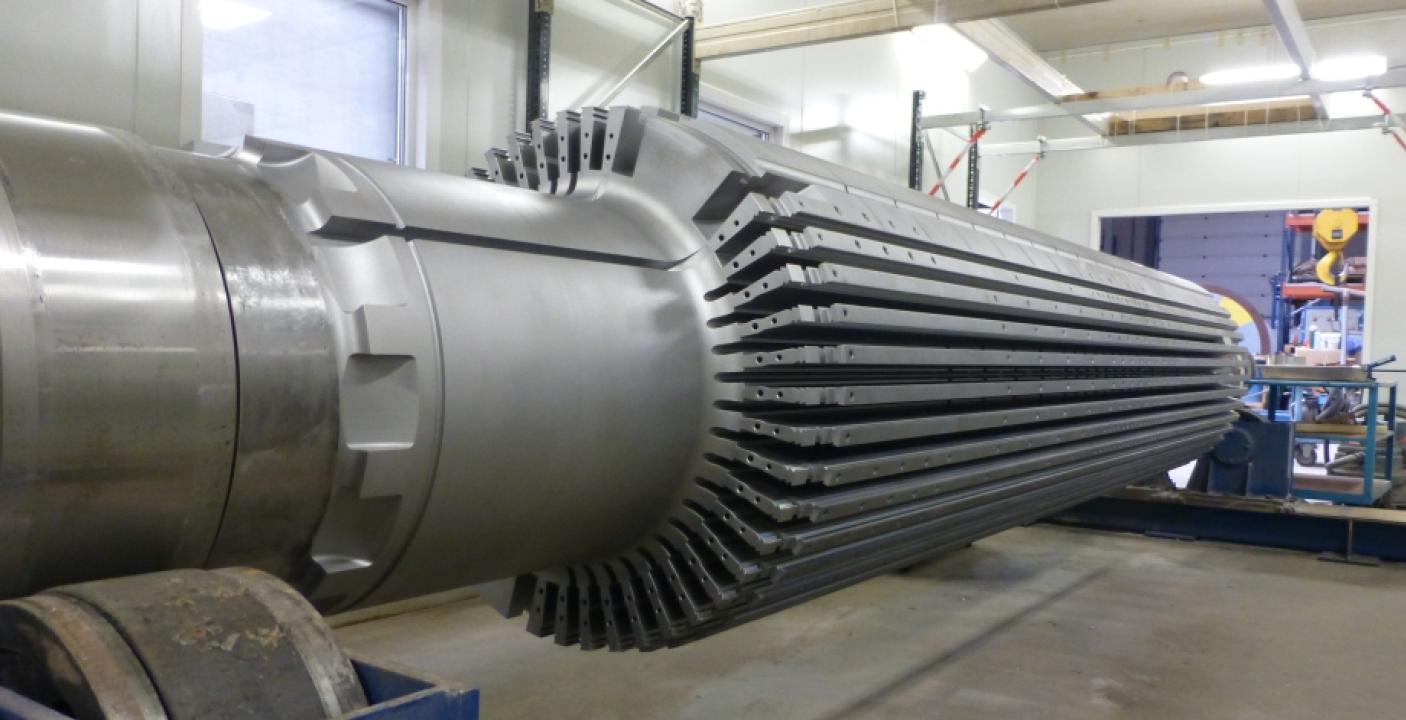
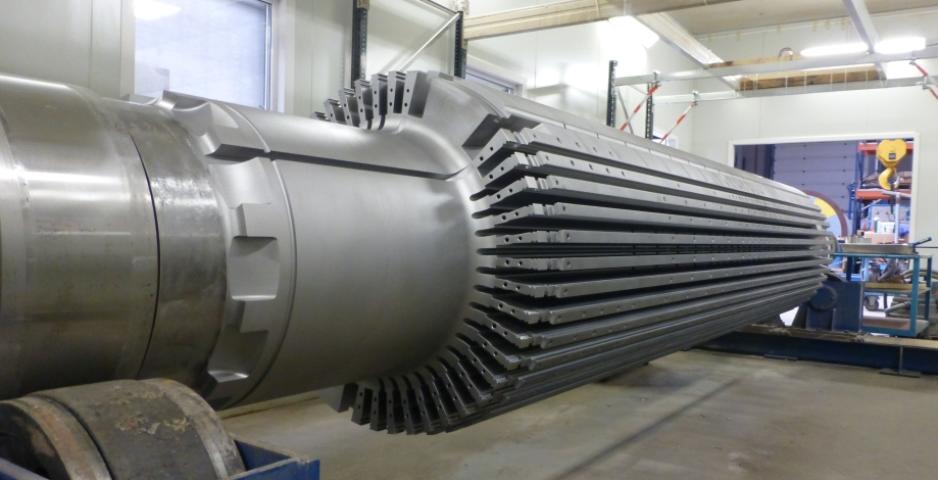
Turbo generators play a pivotal role in modern power generation, converting mechanical energy from gas or steam turbines into electricity that powers industries, homes, and cities worldwide. As the global demand for electricity expands, fueled by industrial growth and infrastructure development, turbo generators are at the forefront of delivering efficient, reliable, and sustainable energy solutions. In 2025, innovations in materials, design, and digital services are transforming the turbo generator landscape, boosting performance and operational longevity.
According to Straits Research, “The global turbo generator industry market size was valued at USD 10,620.10 million in 2022. It is projected to reach USD 14,411.30 million by 2031, growing at a CAGR of 3.45% during the forecast period (2023-2031).” This growth reflects rising power consumption, increasing investments in power plant infrastructure, and modernization initiatives aimed at cleaner and flexible energy generation.
Recent Innovations and Market Dynamics
2025 marks the acceleration of key technological enhancements in turbo generator systems:
-
Advanced aerodynamic turbine blade designs and enhanced cooling technologies improve efficiency and heat dissipation, enabling higher power outputs and reduced wear under extreme operating conditions.
-
Digitalization and predictive maintenance platforms using IoT sensors and AI analytics enable real-time condition monitoring, optimizing maintenance schedules to reduce downtime and extend asset life.
-
Development of hybrid turbo generators combining gas turbines with electric motors supports flexible grid integration and renewable energy hybridization, important for grid stability in the era of fluctuating energy supplies.
-
Light-weight, compact generator designs facilitate deployment in distributed energy systems, such as microgrids and remote power installations, broadening application reach.
-
Integration with smart grids through enhanced controls and responsive load management systems improve grid reliability and energy efficiency.
Leading Industry Players and Regional Growth
The turbo generator sector is strongly influenced by well-established global corporations and emerging regional leaders:
-
Siemens AG (Germany): A global powerhouse, Siemens continues pioneering high-efficiency turbo generators with innovations in ultra-supercritical steam turbines and hydrogen-ready gas turbines, catering to industrial and utility-scale clients worldwide.
-
General Electric (US): GE Vernova leads with flexible fast-start gas turbine generators optimized for peak power and renewables integration. GE’s digital services enhance asset management across global fleets.
-
Mitsubishi Heavy Industries Ltd. (Japan): Focusing on hydrogen-capable generators and compact, modular designs for emerging markets, Mitsubishi addresses needs for cleaner power and distributed generation.
-
Ansaldo Energia (Italy) and Andritz AG (Austria): These companies blend classical turbine expertise with digital upgrades to serve Europe’s decarbonization targets and advanced power infrastructure.
-
Regionally, India is witnessing rapid turbo generator growth, supported by power sector reforms, expansions in thermal and renewable energy projects, and government infrastructure investments.
-
China and South-East Asia ramp up power infrastructure modernization campaigns, increasing turbo generator deployment in coal and gas-fired power plants.
-
North America and Europe emphasize retrofit and upgrade projects focusing on emissions reduction, digital asset management, and integrating renewables with traditional power plants.
-
Middle East and Africa leverage turbo generator technology to support rapidly growing urbanization and industrial demands, while transitioning to hybrid and renewable energy schemes.
Emerging Trends and Growth Drivers
-
The push towards decarbonization fuels demand for hydrogen-ready and fuel-flexible turbo generators capable of accommodating renewable energy inputs and supporting net-zero targets.
-
Digital twin technology and AI-assisted predictive maintenance become mainstream, allowing utilities and operators to maximize uptime and efficiency while reducing maintenance costs.
-
Expansion of combined cycle power plants, which harness waste heat from gas turbines for steam generation, drives turbo generator demand due to their superior efficiency and lower emissions.
-
Increasing investments in distributed generation and microgrid solutions prompt the need for modular, compact turbo generator services tailored for specific local requirements.
-
Lifecycle services, encompassing remote monitoring, repair, and refurbishment, are gaining importance as customers demand longer asset life and enhanced operational return on investment.
-
Regional regulatory frameworks promote integration of advanced turbo generator systems with clean energy sources and smart grid functionality, influencing product development and service offerings.
Recent Industry News and Strategic Partnerships
-
Siemens AG announced in mid-2025 the expansion of its ultra-supercritical steam turbine product line with hydrogen combustion capability, addressing Europe’s green energy transition.
-
GE Vernova introduced a new digital platform for turbo generator fleet management using AI predictive analytics, aimed at utilities across North America and Asia-Pacific.
-
Mitsubishi Heavy Industries signed a strategic partnership with India’s leading power producers to supply modular, high-efficiency turbo generators for new thermal and gas plants.
-
Ansaldo Energia unveiled advanced control systems integrating turbo generators with renewable energy sources, supporting grid stability projects in Southern Europe.
-
Andritz AG received multiple contracts to upgrade turbo generators in African power plants, focusing on efficiency improvements and emissions compliance.
-
Rolls-Royce developed a hybrid-electric turbo generator prototype in 2025, optimized for offshore power generation and industrial applications.
Conclusion
Turbo generators and associated services are indispensable to the global energy sector’s transition toward cleaner, more flexible, and digitally optimized power systems. Technological innovation, strategic collaborations, and evolving regulatory landscapes position turbo generators at the heart of sustainable power generation solutions capable of meeting tomorrow’s energy demands.