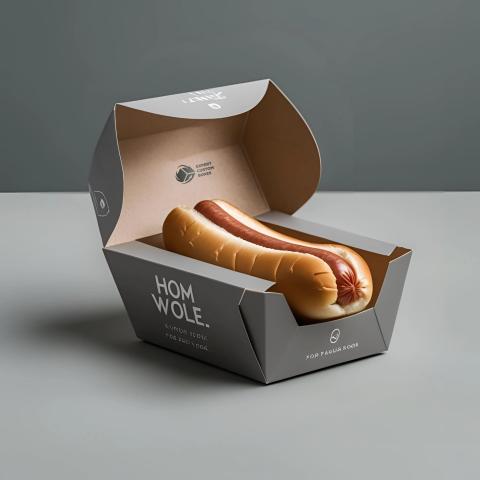
Picture buying a sandwich from a stall on a street. Bread comes out of the oven, cheese melts, steam rises. If a sandwich passes into hands without wrapping, heat escapes fast, bread hardens, and flavors fade in minutes. A wrap locks heat inside, moisture stays, flavor holds. Steam caught inside wrap works almost like a helper, softening food, melting fats evenly, pushing taste to surface in every bite.
Stalls, shops, and home kitchens wrap hot food quickly after cooking. Wrap blocks air that causes staleness. Wrap also protects against dust, handling, or mixing of outside smells. When a taco or roll unwraps, aroma hits strongly, reminding the eater of freshness still present. Holding food inside wrap is not just about neatness, but about keeping flavor alive until last bite. That small step shapes a full eating memory for the customer or family.
How Does Wrapping Hold Heat And Aroma Longer?
Heat carries taste. Once food cools, oils harden, spices flatten, and moisture vanishes. Wrap traps heat, slowing this process. A bag of fries without a wrap cools quickly, and the aroma disappears. A bag wrapped carefully holds heat longer, fries stay hot, and scent waits until the opening moment. Scent matters for taste.
Wrap seals these scents inside, so the first breath after opening excites the feel. Without wrap, scent runs away fast, and food feels dull. Shops know customers value the first bite, so wraps become part of the service. Heat and aroma travel together, wrapping ensures both remain present for a longer time.
Can Wraps Stop Food From Drying Out?
Food like bread, grilled chicken, or roti can lose softness fast if left uncovered. Wrap helps by keeping steam near food. Steam creates moist air, working like a shield against dryness. A burrito stays soft inside the wrap, tortilla holds shape, and fillings remain hot. Without wrap, the tortilla hardens at the edges, and the fillings lose comfort from heat.
Moist air also supports flavor. Spices release more taste when hot and moist. Wrapped food continues releasing small steam that helps flavor grow stronger. Even baked rolls or bagels keep the original taste longer when wrapped after baking. The outer layer stays chewable instead of turning hard. Businesses choose wraps with the right balance of breath flow and moisture lock so food can travel, yet still feel fresh in every bite.
Why Does Wrapping Change the Look Of Food?
Food experience includes sight. Wrap keeps food together, shape stays in place, and hands feel heat. The customer receiving panini in clean paper feels cared for before even eating. Wrap creates a first impression that adds value. Wrap also controls mess. Sauces stay inside, oils remain under cover.
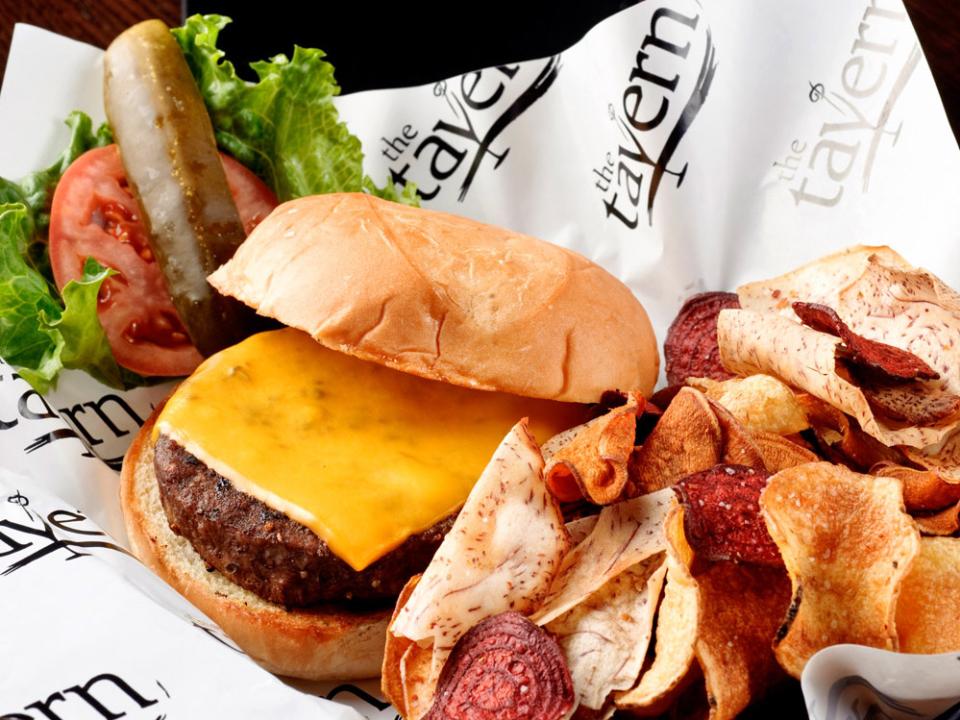
Eating while walking or sitting in the car becomes easier. People like simple experiences, and wrap gives that. Shops print names or logos on wraps, turning every food into a small message. Customers snap pictures, share with friends, showing food and wrap together. Presentation then becomes a silent tool of connection, shaping how eaters remember moments.
What Link Exists Between Wrapping And Safety?
Exposed food picks dust, germs, or air. Wrap builds a barrier, shielding food until the hand reaches the mouth. For takeaway or delivery, food travels through streets, vehicles, and different spaces. Wrap keeps food safe through the journey. Families also use wrapping to save leftovers for another time.
Using custom food safe paper for wrapping the hot food items. Such wrapping avoids harmful leaks when heat meets moisture. Businesses use this choice to protect buyers and also show care. Safe wrapping means the customer feels secure, the flavor stays true, and the brand builds trust without saying words. Wrapping therefore links flavor, health, and responsibility in one simple step.
How Do Wrapping Materials Affect Flavor Experience?
Wraps differ by material. Foil holds heat but traps too much steam, food may feel soggy. Certain paper lets air move slightly, keeping food hot without excess wetness. Choice of wrap shapes flavor that remains.
Restaurants now look toward custom hot paper. This wrap handles high temperature without breaking down, holding flavor steady. Heat balance remains, breath flow continues, flavor survives longer. Businesses can also print names or colors on such paper, turning wrap into brand signs. Customers opening food wrapped in this option enjoy food closer to a fresh-cooked state. Wrap type therefore carries a direct role in the final eating experience.
Why Should Businesses Use Custom Wrapping Wraps?
Food service sees wrap as more than cover. A plain sheet may block air, but a plain sheet does not stay in memory. Custom wrap creates memory. Printed design or color adds a mark that the eater recalls the next time hunger calls. Each wrapped item carries the brand into streets, buses, and offices.
Here, a wax papers can guide you about custom taco wrapping paper. This source helps businesses or small stalls shape wraps with >
How Can Wraps Serve Flavor And Marketing Goals Together?
Wrap gives double support. One side, flavor holds steady by keeping heat, aroma, and moisture. On the other hand, wrap becomes a quiet messenger for business identity. Printed colors, simple messages, or logos travel in the hands of every eater. Others see, curiosity rises, brand spreads without extra cost.
Imagine a café serving sandwiches wrapped in plain sheet versus café using wrap with story or value printed outside. Customers eating from the second café remember both taste and message. Return visits happen not only for flavor but also for memory of care. Businesses combining food quality with thoughtful wrap create stronger links with customers. That link lasts longer than one food, shaping repeat trust and word-of-mouth sharing.