
Enterprise cloud solutions have transformed from a luxury to a necessity in the modern business landscape. Organizations that once relied on traditional IT infrastructure are now embracing cloud platforms to gain flexibility, cost savings, and scalability. Beyond storage, the cloud provides advanced tools that help businesses optimize workflows, ensure data security, and drive innovation.
The Business Case for Cloud Adoption
Businesses are under constant pressure to reduce costs while improving efficiency. Cloud adoption addresses both challenges:
Lower Infrastructure Costs – Companies save on hardware, maintenance, and upgrades.
Pay-as-You-Go Models – Subscription pricing ensures businesses only pay for what they use.
Remote Work Enablement – Cloud collaboration tools empower distributed teams to stay connected and productive.
This makes cloud migration one of the most impactful business decisions of the decade.
Security and Compliance Benefits
One of the biggest concerns for executives is data security. While traditional IT systems often fall behind on updates, enterprise cloud providers continuously upgrade their security protocols.
Advanced Encryption – Data is protected both in transit and at rest.
Multi-Factor Authentication (MFA) – Reduces risks of unauthorized access.
Compliance Standards – Certifications such as ISO 27001, SOC 2, and GDPR compliance give peace of mind to businesses and their customers.
For industries like finance, healthcare, and legal services, these compliance measures are crucial to maintaining trust and avoiding penalties.
Scalability as a Growth Driver
Scalability is one of the most compelling benefits of enterprise cloud solutions. Unlike on-premises systems, cloud infrastructure expands as the business grows.
Elastic Resources – Companies can scale up during peak demand and scale down when activity slows.
Global Reach – Cloud services make it easier to expand into new regions without setting up costly local infrastructure.
Innovation Acceleration – Teams can test and deploy new applications faster, reducing time-to-market.
For startups and established enterprises alike, scalability is the difference between stagnation and exponential growth.
Cost Efficiency and ROI
Beyond upfront savings, cloud adoption creates long-term financial benefits.
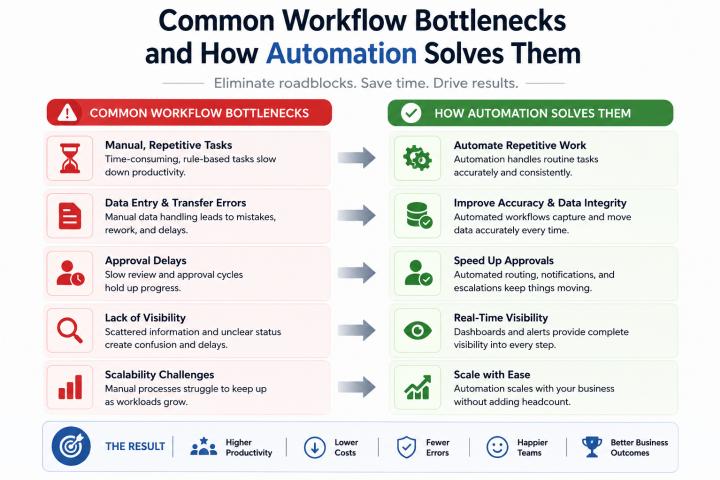
Operational Efficiency – Automation reduces repetitive tasks, allowing staff to focus on strategy.
Predictive Analytics – Cloud platforms equipped with AI and machine learning provide actionable insights for better decision-making.
Lower Downtime Costs – With built-in redundancy and disaster recovery, businesses avoid expensive disruptions.
Studies show that companies leveraging enterprise cloud services often experience a 30–50% improvement in ROI over traditional IT systems.
Industry-Specific Advantages
Different industries benefit from the cloud in unique ways:
Retail – Cloud-powered analytics personalize customer experiences and optimize supply chains.
Finance – Secure, compliant environments make transactions faster and safer.
Healthcare – Real-time access to patient data improves care delivery and collaboration among providers.
Manufacturing – IoT integration within the cloud allows for predictive maintenance and smart factory operations.
By tailoring cloud adoption to industry needs, companies unlock a competitive advantage that traditional IT systems cannot match.
Overcoming Common Challenges
While the benefits are clear, cloud adoption comes with its own set of challenges:
Migration Complexity – Shifting legacy systems requires careful planning.
Change Management – Employees need training to fully embrace new technologies.
Vendor Lock-In Risks – Businesses should evaluate multi-cloud strategies to avoid dependency on a single provider.
Enterprises that address these issues proactively enjoy a smoother transition and stronger long-term outcomes.
The Future of Enterprise Cloud
Looking ahead, cloud technology will continue to evolve:
Hybrid and Multi-Cloud Strategies – Giving businesses more flexibility and control.
AI Integration – Automating workflows and delivering real-time insights.
Sustainability – Cloud providers are investing in renewable energy and green data centers, aligning with ESG initiatives.
5G and Edge Computing – Enhancing real-time data processing for industries like logistics, healthcare, and smart cities.
Businesses that invest in these advancements today will be better positioned to lead in tomorrow’s markets.
Final Thoughts
Enterprise cloud solutions are no longer optional—they are essential for businesses that want to remain competitive, secure, and scalable. From reducing costs and improving ROI to driving innovation and enabling global expansion, the cloud is reshaping how companies operate.
For forward-thinking organizations, cloud adoption is not just an IT decision—it is a strategic business investment that fuels long-term growth.