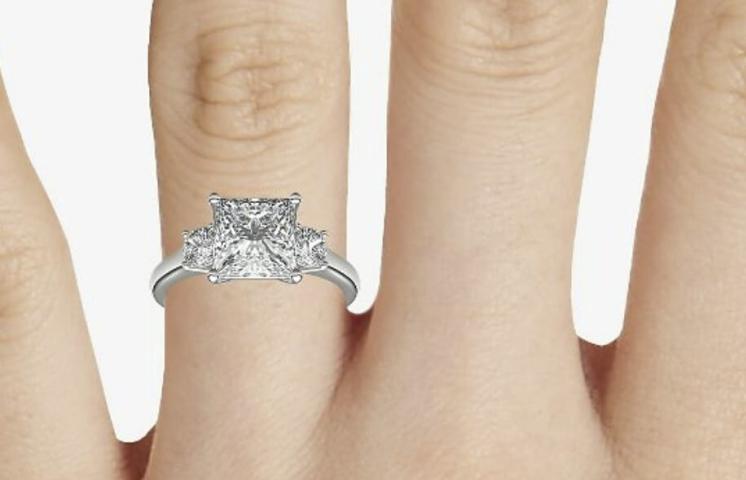
For generations, the round brilliant cut diamond has reigned supreme as the quintessential choice for engagement rings and fine jewelry. Its unparalleled brilliance and timeless appeal are undeniable. However, for the modern couple seeking a stone that combines fiery brilliance with a distinctively contemporary edge, there is a captivating alternative: the princess cut diamond. With its sharp geometric lines, exceptional sparkle, and modern character, the princess cut offers a sophisticated and often more affordable path to a stunning piece of jewelry. This article delves into the world of princess cut diamonds, exploring their unique attributes, advantages, and how they compare to the traditional round brilliant, empowering you to make an informed and personal choice.
The Birth of a Modern Classic: Understanding the Princess Cut
The princess cut is a relatively recent innovation in the long history of diamond cutting. Emerging in the 1960s and refined over the following decades, it was originally known as a "profile cut" or "square modified brilliant." Its development was driven by a desire to maximize the yield from a rough diamond crystal, particularly the pyramid-shaped octahedron, while creating a stone with the scintillating fire of a brilliant cut.
A Unique Architectural Design
Unlike the round brilliant, which is all about curves and concentric circles, the princess cut is defined by its clean, sharp lines and geometric precision. It is typically square or rectangular in shape, featuring pointed corners and a flat table (the top surface). The true magic of the princess cut, however, lies beneath the surface. Its faceting pattern is a complex inversion of the round brilliant; where the round has a flat top and a pointed bottom (the culet), the princess cut has a pointed top (the corners) and a flat bottom. This design utilizes chevron-shaped facets that radiate from the center, creating a dramatic and vibrant display of light.
The Hallmark of Brilliance and Fire
The primary goal of any brilliant cut diamond is to reflect white light (brilliance) and disperse it into colorful flashes (fire). The princess cut excels at this. Its specific facet arrangement allows it to compete fiercely with the round brilliant in terms of sparkle. However, the character of that sparkle is different. A round brilliant often produces a more consistent, "chunky" sparkle, while a princess cut can exhibit a more shattered, explosive, and vibrant light performance, especially when the stone is in motion. This gives it a dynamic and modern appearance that many find captivating.
Princess Cut vs. Round Brilliant: A Detailed Comparison
Choosing between a princess cut and a round brilliant is a matter of personal preference, as each possesses distinct strengths. Understanding these differences is key to selecting the diamond that best aligns with your >
Sparkle and Light Performance
The round brilliant cut is scientifically engineered to offer the highest possible level of light return. Its 58-facet pattern is optimized to reflect nearly all light that enters the stone directly back to the viewer's eye, creating what is often considered the ultimate in brilliance. It is the benchmark against which all other cuts are measured. The princess cut, with its different facet structure, offers a brilliance that is equally intense but visually distinct. Its sparkle can be described as brighter and more flashy, with a remarkable ability to throw colorful fire. For those who adore a dramatic and lively sparkle, the princess cut is an exceptional choice.
Shape and Aesthetic Appeal
This is the most obvious differentiator. The round brilliant is the epitome of classic, traditional, and timeless elegance. It has been the most popular choice for over a century and is unlikely to ever go out of >
Price and Value Considerations
One of the most significant practical advantages of the princess cut is its price. Round brilliant diamonds are consistently the most expensive diamond shape. This is due to two main factors: higher demand and greater rough diamond wastage during the cutting process. To create a round stone, a cutter must remove more of the original rough crystal than when crafting a square princess cut. The princess cut's efficient shape allows it to retain more of the original carat weight, meaning you can often get a larger-looking diamond for the same price as a smaller round brilliant. This makes the princess cut an excellent value for those seeking maximum carat weight and visual impact on a budget.
Durability and Setting Considerations
A crucial factor to consider with princess cut diamonds is the vulnerability of their pointed corners. These sharp points are more prone to chipping if struck with significant force. To protect them, jewelers almost always recommend a setting that securely holds the four corners, such as a V-prong setting or a bezel setting. These settings are designed to cradle the points and prevent damage. Round brilliant diamonds, with their lack of sharp edges, are inherently less prone to chipping and offer more flexibility in setting choices. Therefore, when selecting a princess cut, investing in a protective setting is essential for its long-term durability.
Choosing the Perfect Princess Cut Diamond
Selecting a princess cut involves paying attention to the same 4Cs as any other diamond—Cut, Color, Clarity, and Carat Weight—but with some shape-specific nuances.
The Importance of Cut Quality
Cut is the most critical factor influencing a princess cut's beauty. A well-cut princess diamond will be symmetrical, with perfectly aligned facets that create an even pattern of light and dark areas. Look for a stone with a depth percentage between 65% and 75% and a table percentage between 65% and 75% as a general starting point for good proportions. Avoid stones that appear too deep or too shallow, as they will leak light and look dark or glassy. The best way to judge cut is visually: the diamond should be bright, fiery, and free of large, dull areas in the center when viewed under normal lighting.
Navigating Color and Clarity
Princess cuts tend to retain color slightly more than round brilliants. Because of their faceting pattern, color may be more visible at the pointed corners. For a truly white appearance, aiming for a color grade of G or higher is generally recommended. In terms of clarity, princess cuts are excellent at hiding inclusions. Their complex facet structure can often mask small internal flaws. This means you can often opt for a slightly lower clarity grade, such as VS2 or SI1, and still have a stone that appears flawless to the naked eye, especially when set in jewelry. Always review the diamond's clarity plot to ensure inclusions are not located near the corners, where they could increase the risk of chipping.
The Impact of Length-to-Width Ratio
While a "classic" princess cut is perfectly square, the cut can also be rectangular. The shape is determined by its length-to-width ratio. A ratio of 1.00 is a perfect square. Ratios between 1.05 and 1.10 will give a rectangular appearance, which can have a more elegant, elongated look on the finger. This is purely an aesthetic choice. It's advisable to view different ratios in person or through high-quality videos to determine which shape appeals to you most.
Styling Your Princess Cut Diamond Ring
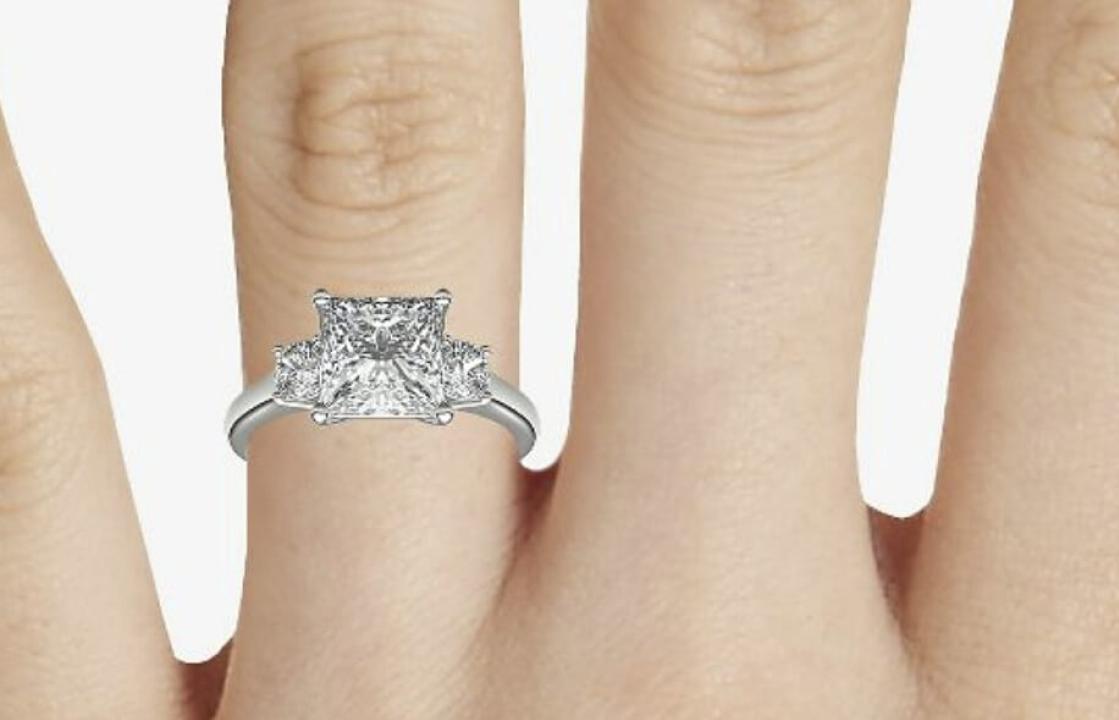
The versatility of the princess cut allows it to shine in a wide array of ring settings. A classic four-prong solitaire setting emphasizes the diamond's clean lines and modern simplicity. For added sparkle and protection, a halo of smaller diamonds surrounding the center stone is an immensely popular choice, making the central princess cut appear larger and its shape more defined. For a truly contemporary and secure option, a bezel setting that encircles the entire diamond offers excellent protection for the corners and a sleek, modern aesthetic. Three-stone rings, with trapezoid or trillion-cut side stones, beautifully complement the geometric nature of the princess cut, creating a balanced and meaningful design.
Conclusion: A Diamond for the Modern Era
The princess cut diamond has firmly established itself as a leading choice for those who appreciate a blend of timeless brilliance and contemporary >