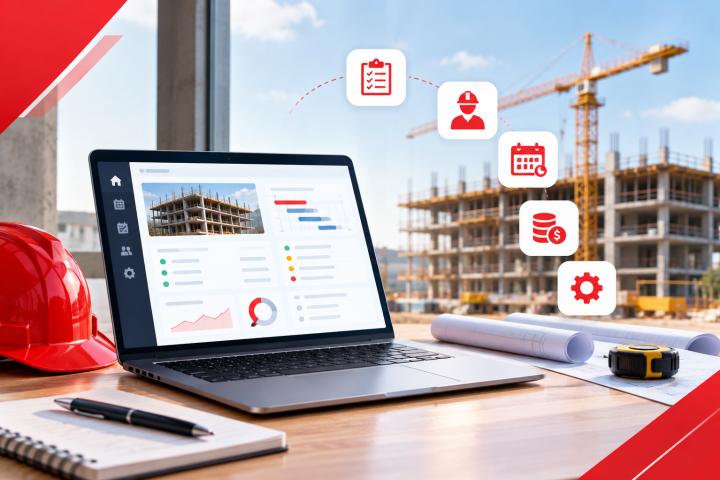
In today’s competitive business environment, organizations are expected to deliver projects faster, manage resources more effectively, and maintain quality standards without exceeding budgets. Whether in technology, manufacturing, construction, marketing, or..
Construction projects rarely go exactly as planned. A material delivery can be late, a worker may become unavailable, or one task may take longer than expected.For contractors, even a small..
Construction companies compete for projects where trust, experience, location, and credibility can influence who gets the call. Today, that decision often begins online. Property owners, developers, architects, and procurement teams..
Managing your own custom home build gives you control over your design, building schedule, and project costs. Taking on the role of general contractor is a great way to build..
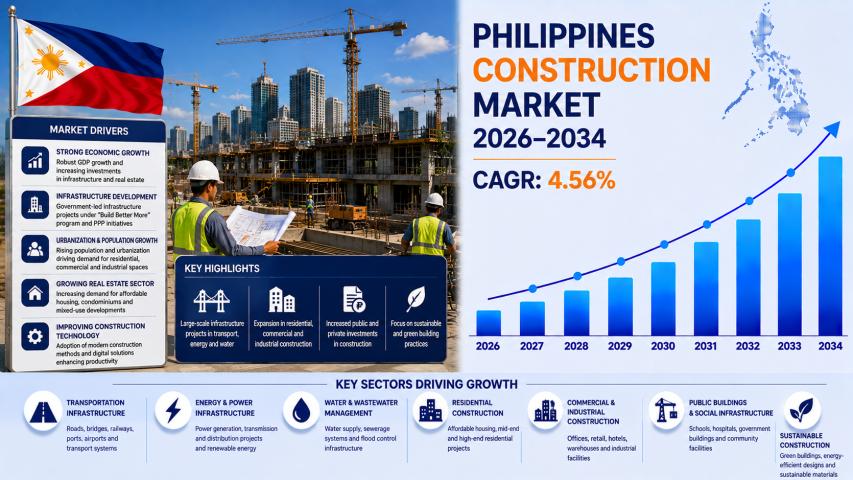
Market OverviewThe Philippines construction market size reached USD
41.3 Billion in 2025 and is projected to reach USD 61.7
Billion by 2034, exhibiting a CAGR of 4.56% during
2026-2034. The..
Construction projects involve multiple moving parts, from initial planning and budgeting to procurement, labor management, inspections, and final handover. Without proper coordination, even a well-designed project can experience delays, cost..
Construction projects create a lot of waste. From broken concrete and old drywall to wood, packaging materials, and general job-site debris, keeping everything organized can become a challenge. Having the..
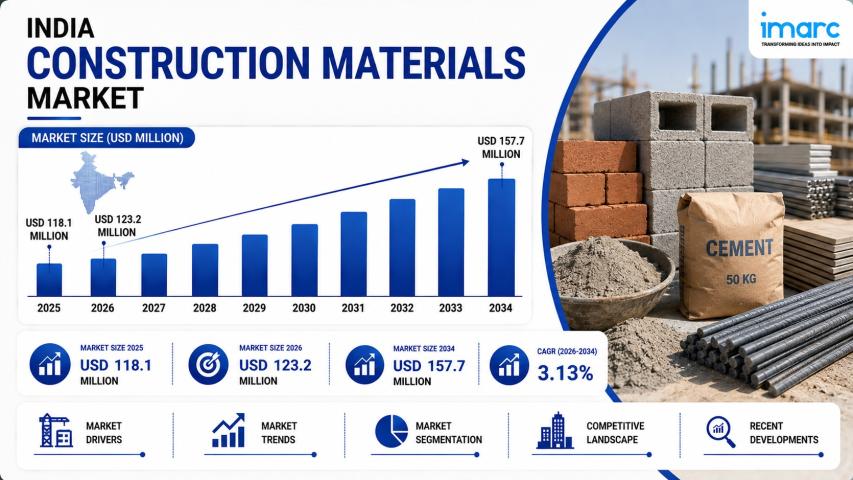
India Construction Materials Market: Industry Report
2026–2034The construction
materials market in India grew from USD 118.1 Million in
2025 to an estimated USD 123.2 Million in 2026 and is
projected..
Concrete doesn't stop being concrete in cold weather, but it does stop curing. Below 40°F, hydration slows enough to stall strength gain significantly; below 32°F, water in fresh concrete can..
Selecting the best iron bars for construction requires more than simply choosing the most expensive product. Buyers should evaluate the required grade, diameter, quality standards, manufacturing consistency, and suitability for..
Every founder building a web product eventually hits the same wall: which language should the backend run on? The answer shapes your hiring pool, your development speed, and how easily..
Artificial intelligence continues to dominate business conversations, but enthusiasm alone does not guarantee results. While many companies rush to adopt AI in hopes of gaining a competitive edge, a large..
As digital products grow, so do their engineering organizations. What begins as a clean, focused development effort can quickly turn into a maze of competing priorities, cross-team dependencies, and unclear..
Guide to Staff Augmentation: How Flexible Engineering Teams Deliver Predictable ResultsAs product roadmaps grow more ambitious and release cycles accelerate, many engineering teams face the same challenges: hiring takes too..
Managing complex initiatives across departments, countries, and time zones is one of the biggest challenges large corporations face today. Enterprise project management (EPM) offers a framework that brings order, transparency,..
Capturing the attention of investors begins long before the first pitch meeting. A well-structured and compelling presentation of a business project is often the difference between securing funding and being..
Startups operate under tight budgets and ambitious goals, making it essential to master the art of managing projects effectively. Let’s explore actionable strategies to enhance your project management game.Key Elements..
Project management
software has become an essential tool for businesses of all sizes, streamlining
workflows, enhancing collaboration, and driving efficiency. As technology evolves,
so do the expectations of users. The..