You put on sunscreen before the
beach. You grab a hat on vacation. You think you’re covered, right? The truth
is, most people are protecting only part of their skin from the sun’s long-term
effects. The rest? It’s quietly absorbing UV damage every day.
The tricky thing about sun exposure
is that it doesn’t always announce itself with a burn. The deeper impact builds
slowly and invisibly. That’s why dermatologists and skin health experts often
rely on a surprising tool—the UV camera.
This technology strips away the illusions of normal daylight and reveals the
truth about what’s happening under your skin. And what it shows might just
change the way you think about protection.
What
Is a UV Camera, Really?
A UV camera is designed to capture
ultraviolet light, which is invisible to the human eye. When your skin is
photographed under UV, it reveals freckles, pigmentation, and damage that you
can’t yet see in the mirror. It also shows the effectiveness of your
sunscreen—highlighting areas where it’s been missed or unevenly applied.
Instead of looking at who you are
today, a UV camera offers a preview of your skin’s future. It highlights the
risks long before they become visible as fine lines, spots, or sagging.
Why
UV Risks Stay Hidden
If you’ve ever driven to work or
spent hours near a window, you’ve experienced UVA rays without realizing it.
These long-wave rays penetrate glass, travel through clouds, and reach deep
into the skin. Unlike UVB rays, which cause sunburn, UVA damage doesn’t
sting—it quietly weakens collagen, triggers wrinkles, and creates uneven tone.
That’s why people often believe
they’re safe. “I don’t feel heat, so nothing’s happening,” they think. But a UV
camera proves otherwise. It shows the damage building in real time, the kind
you won’t notice until years later.
The
First Glimpse: Eye-Opening Reality
Many people describe their first UV
camera session as shocking. Skin that looks smooth and youthful in the mirror
suddenly reveals hidden freckles, patchy coverage, and uneven spots under
ultraviolet light.
Even sunscreen, when applied
casually, shows up streaky in UV imaging. Missed areas—like the hairline,
around the nose, or the neck—are obvious. For many, it’s a moment of
realization: daily protection needs to go beyond the occasional sunscreen
squeeze.
What
a UV Camera Typically Reveals
Here’s what you’re likely to see
when you step in front of one:
- Pigmentation waiting to surface – early sun spots that will darken over time.
- Patchy sunscreen coverage – areas where you thought you were protected but
weren’t.
- Damage on the “driving side” – one side of the face more exposed through car
windows.
- Freckling from everyday exposure – proof that quick errands add up.
- The illusion of cloudy-day safety – even overcast weather leaves its mark.
Each of these reminders connects to one
message: UV damage doesn’t just happen on vacation, it happens every day.
The
Science Behind the Images
Ultraviolet rays work in two main
ways:
- UVA Rays:
These penetrate deeper into the skin, damaging collagen and elastin.
They’re present year-round, from sunrise to sunset.
- UVB Rays:
Shorter rays that cause visible burns and directly affect DNA. They peak
during midday and summer months.
The UV camera picks up both effects,
showing not only the burns of yesterday but the deeper, long-term risks that
hide beneath today’s clear complexion.
Why
Most People Get It Wrong
We tend to measure safety by what we
can see or feel. No burn? We think we’re fine. But by the time wrinkles and sun
spots appear, the underlying damage has been building for years.
That’s why the UV camera is so
effective. It removes that false sense of security. You see that every car
ride, every walk to the café, every “I’ll be outside just for five minutes”
adds to a cumulative story written on your skin.
From
Scare to Solution: What You Can Do
The goal isn’t to frighten you—it’s
to empower you. Once you’ve seen the reality under UV light, you know where to
take action:
- Apply sunscreen more consistently, especially to
forgotten areas.
- Reapply every few hours, even when it’s cloudy.
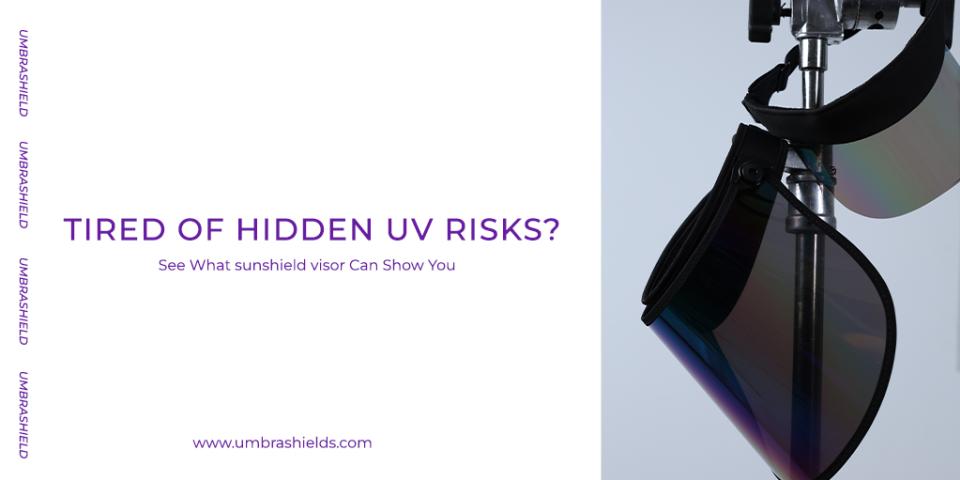
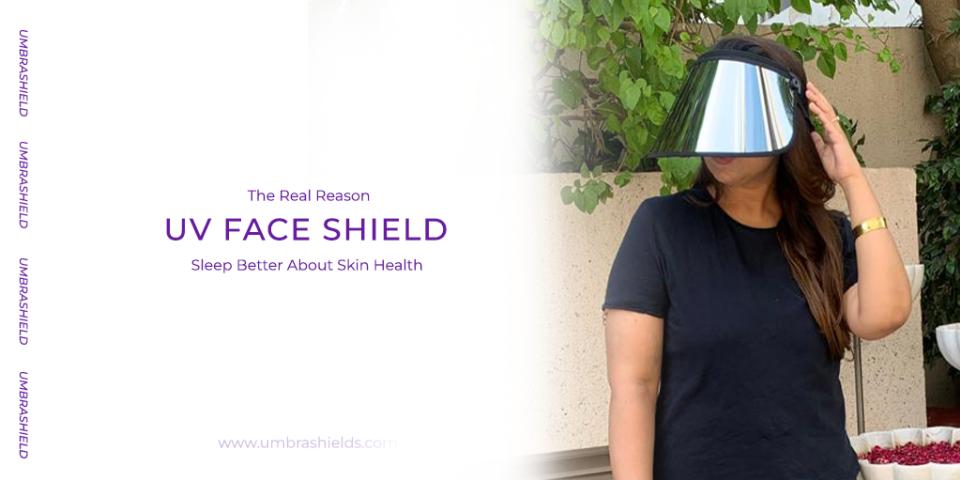
- Add physical protection like hats, visors, and
clothing.
- Protect yourself indoors when sitting near windows.
- Treat sun safety as a daily habit, not a seasonal one.
The
Umbrashield Approach
At Umbrashield, we believe that once
you see the truth about hidden UV damage, the answer is simple: protect
smarter, every single day. That’s why we create stylish, wearable solutions
that slip easily into your routine.
From UV visors to lightweight jackets, our products are designed to block the rays that sunscreen alone might miss. Because we understand that protection works best when it feels effortless—and when it fits seamlessly with your life>
We don’t want you to wait for
wrinkles or dark spots to tell you it’s time. We want prevention to feel
natural from the start.
Final
Thoughts: Seeing Is Believing
The UV camera doesn’t lie. It shows
you the risks you can’t see in the mirror, making it clear that sun safety
isn’t optional—it’s essential. But that knowledge doesn’t have to be
overwhelming. It can be empowering.
With smarter choices—consistent sunscreen, protective gear, and awareness—you can take control of your skin’s future today. And with Umbrashield, you can do it without sacrificing comfort or >
So if you’re tired of hidden UV
risks, let the UV camera open your eyes. Then let Umbrashield help you stay
protected, every single day.