Introduction
When people hear the term “what is Botox”, they often associate it only with wrinkle reduction or cosmetic procedures. While that is true, Botox goes beyond just enhancing appearances. It is a well-researched medical treatment widely used across the world for both cosmetic and therapeutic purposes. From softening fine lines to relieving chronic migraines, Botox has transformed into one of the most popular non-surgical treatments available today.
This guide will walk you through what Botox really is, how Botox treatments work, the potential benefits of Botox, possible side effects, and whether it might be the right choice for you.
Understanding What Botox Really Is
Botox is a purified protein derived from Clostridium botulinum, a bacterium that naturally exists in the environment. When used in medicine, it is processed and highly refined to ensure safety.
In simple terms, Botox temporarily relaxes specific muscles by blocking nerve signals that cause contractions. This makes it a powerful tool for reducing facial wrinkles and managing certain medical conditions, such as muscle spasms or excessive sweating.
So, when someone asks “what is Botox?”, the answer is clear: it’s a safe, FDA-approved treatment used in both cosmetic and medical fields.
How Botox Treatments Work
The process of Botox treatments is straightforward and minimally invasive. A trained medical professional injects small amounts of Botox into targeted muscles. The procedure usually takes less than 20 minutes, depending on the treatment area.
Step-by-Step Breakdown:
Consultation – A specialist evaluates your needs and goals.
Preparation – The area is cleaned, and sometimes a numbing cream is applied.
Injection – Tiny amounts of Botox are injected using a fine needle.
Post-Care – Patients are advised to avoid rubbing the treated area and strenuous activity for a few hours.
Results typically start to appear within 3–7 days, and the effects can last for about 3–4 months.
Common Areas Where Botox Is Used
Botox is not limited to one specific treatment area. Some of the most common uses include:
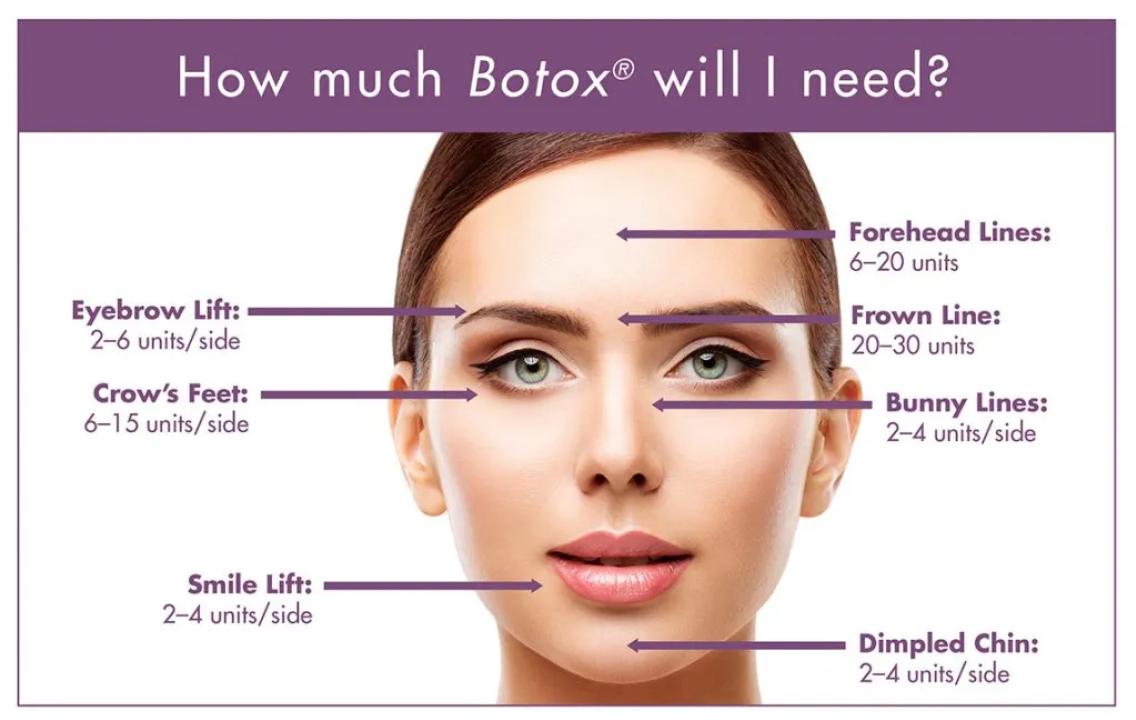
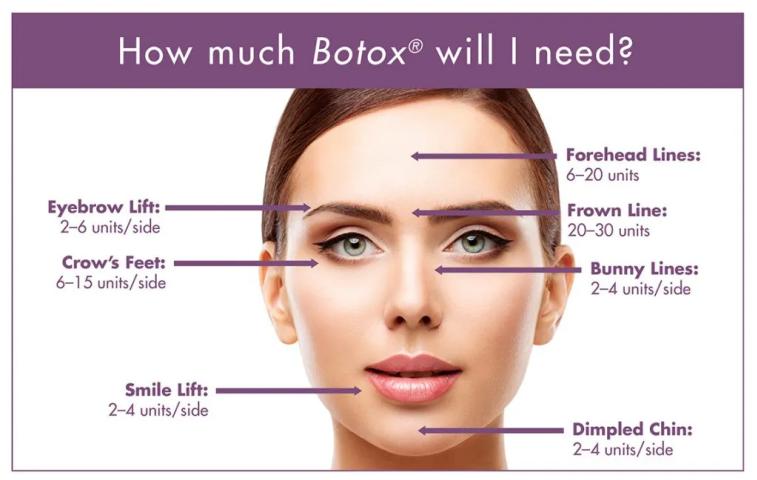
Forehead lines
Crow’s feet (lines around the eyes)
Frown lines between the eyebrows
Neck bands
Excessive underarm sweating
Chronic migraines
Overactive bladder
Eye muscle disorders
This versatility is one reason why Botox treatments are popular among both cosmetic and medical patients.
Benefits of Botox
The benefits of Botox go beyond improving appearance. While its cosmetic effects are widely known, the therapeutic advantages are equally valuable.
Cosmetic Benefits
Smooths out fine lines and wrinkles
Provides a more youthful and refreshed appearance
Non-surgical, quick, and with minimal downtime
Medical Benefits
Reduces frequency of chronic migraines
Treats muscle stiffness or spasms
Helps control excessive sweating (hyperhidrosis)
Provides relief for eye conditions like strabismus and blepharospasm
Improves quality of life for patients with neurological disorders
Clearly, the benefits of Botox extend well past aesthetics, making it a trusted option in modern medicine.
Who Is a Good Candidate for Botox?
Not everyone is an ideal candidate for Botox. Generally, healthy adults between the ages of 18–65 who want to address wrinkles, fine lines, or certain medical conditions are considered suitable.
However, Botox may not be recommended for:
Pregnant or breastfeeding women
People with neurological conditions
Those allergic to Botox ingredients
It is always crucial to consult a licensed medical provider before proceeding.
Possible Side Effects and Risks
Like any medical treatment, Botox comes with potential risks. While side effects are usually mild and temporary, patients should be aware of them.
Common Side Effects
Mild swelling or bruising at the injection site
Temporary headache
Drooping eyelids (rare)
Flu-like symptoms
Most of these resolve within a few days. Choosing an experienced professional greatly reduces the risk of complications.
Myths vs. Facts About Botox
Because of its popularity, Botox is often surrounded by misconceptions. Let’s clear a few:
Myth: Botox is unsafe.
Fact: Botox is FDA-approved and considered safe when administered by qualified providers.Myth: Botox freezes your face.
Fact: When done correctly, Botox softens lines without affecting natural expressions.Myth: Botox is only for women.
Fact: Many men use Botox for both cosmetic and medical reasons.
What to Expect After Botox Treatments
Recovery after Botox is simple. Most people return to normal activities immediately, but it’s recommended to avoid lying down, exercising, or massaging the area for several hours.
Visible improvements appear within a week, and the refreshed look can last up to four months. Regular maintenance sessions help extend results.
Conclusion
So, what is Botox really? It’s a versatile, scientifically backed treatment that can both enhance appearance and improve quality of life. Whether you’re interested in smoothing wrinkles, preventing fine lines, or managing medical conditions like migraines and excessive sweating, Botox treatments may provide the solution.
With proper guidance from a licensed professional, patients can experience the remarkable benefits of Botox safely and effectively. As long as expectations are realistic and treatment is performed by experts, Botox remains one of the most reliable non-surgical procedures available today.