Choosing your first tattoo machine is one of the biggest decisions you’ll make as a beginner tattoo artist. Two main types dominate the industry: coil tattoo machines and rotary tattoo machines. Both can create incredible tattoos, but they work in very different ways.
In this guide, we’ll break down the differences, pros and cons, and help you decide which machine is the better fit for your beginner journey.
How Each Machine Works
Coil Tattoo Machines
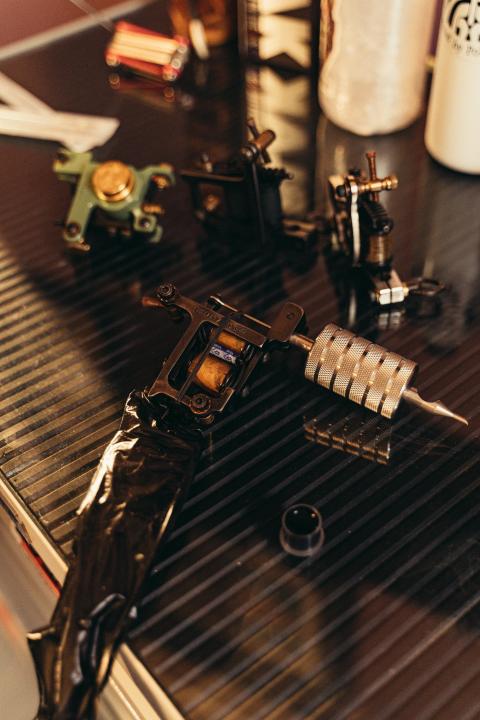
Use electromagnetic coils to move the needle.
Known for their distinct buzzing sound.
Require more fine-tuning and adjustments.
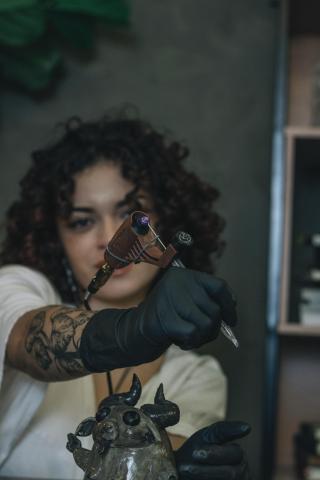
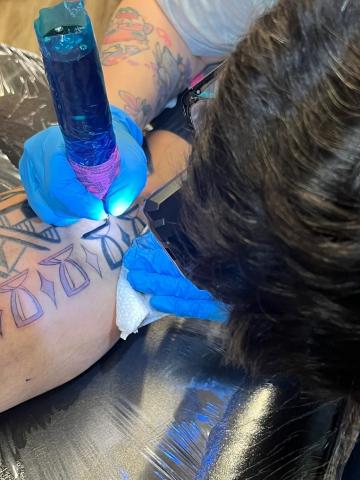
Rotary Tattoo Machines
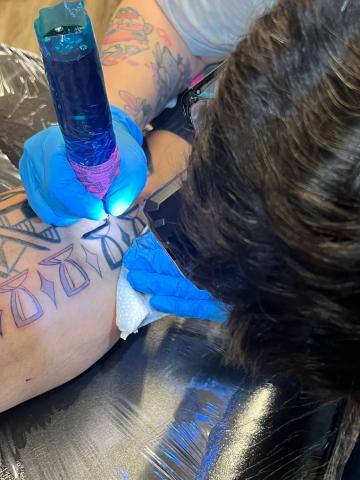
Use a small motor to drive the needle.
Operate more quietly and smoothly.
Usually lighter and easier to handle.
Advantages of Coil Tattoo Machines
Powerful performance: Great for lining and shading once mastered.
Widely available: Most professional shops use coils.
Customizable: Artists can fine-tune springs, contact screws, and coils.
Durability: Built to last with proper care.
Disadvantages of Coil Machines (for Beginners)
Steeper learning curve: Requires knowledge of tuning and maintenance.
Heavier weight: Can cause hand fatigue for new artists.
Noise level: The loud buzz can be intimidating to clients and beginners.
Specialization: Often need separate machines for lining and shading.
Advantages of Rotary Tattoo Machines
Beginner-friendly: Plug-and-play design with little tuning required.
Lightweight & ergonomic: Easier on the hand and wrist during long sessions.
Versatility: One machine can often handle both lining and shading.
Quieter operation: Less intimidating for clients and more comfortable to learn with.
Disadvantages of Rotary Machines
Less customizable: Limited ability to adjust performance compared to coils.
Cost: Quality rotary machines can be more expensive upfront.
Less “traditional feel”: Some artists feel rotaries lack the precision control coils provide for certain techniques.
Which Is Better for Beginners?
If you’re just starting your tattooing journey, a rotary machine is usually the better choice.
It’s easier to set up, lighter to handle, and versatile enough to practice both lining and shading.
You’ll spend more time focusing on your technique instead of machine adjustments.
That said, learning to use a coil machine early can give you valuable technical skills and prepare you for professional environments where coil machines are still widely used.
Final Thoughts
There’s no single “best” choice it depends on your goals. If you want a gentle learning curve and user-friendly setup, go with a rotary machine. If you’re committed to mastering the traditional craft of tattooing, investing time in a coil machine will pay off in the long run.
Also Read : Career Path: From Beginner to Professional Tattoo Artist