
In today’s fast-paced economy, no business can thrive without technology. Regardless of industry or size, companies depend on digital solutions to stay efficient, competitive, and aligned with customer expectations. From marketing to operations, finance to workforce development, digital tools are now the foundation of sustainable growth and innovation.
This article explores why digital tools are indispensable today, the areas where they create the most impact, and examples of the technologies transforming the way businesses work.
Quick Navigation
Boosting Visibility with Digital Marketing
Optimizing Processes with Automation
Enhancing Financial Management with Digital Accounting
Upskilling Teams with Real-World Learning
Improving Customer Experience
Making Smarter Decisions with Data
Supporting Remote and Hybrid Work
Final Thoughts
Boosting Visibility with Digital Marketing
Without visibility, growth is impossible. Digital marketing tools give businesses the ability to increase awareness, build engagement, and foster long-term trust with customers. Using strategies such as SEO, social media, paid ads, content, and email marketing, even small businesses can stand out in crowded online spaces.
Popular digital marketing tools include:
Google Ads for pay-per-click campaigns
SEMrush or Ahrefs for SEO and keyword research
Canva or Adobe Express for visual content creation
Mailchimp for managing email campaigns
Digital marketing is less about quick sales and more about building relationships, educating audiences, and establishing brand loyalty.
Optimizing Processes with Automation
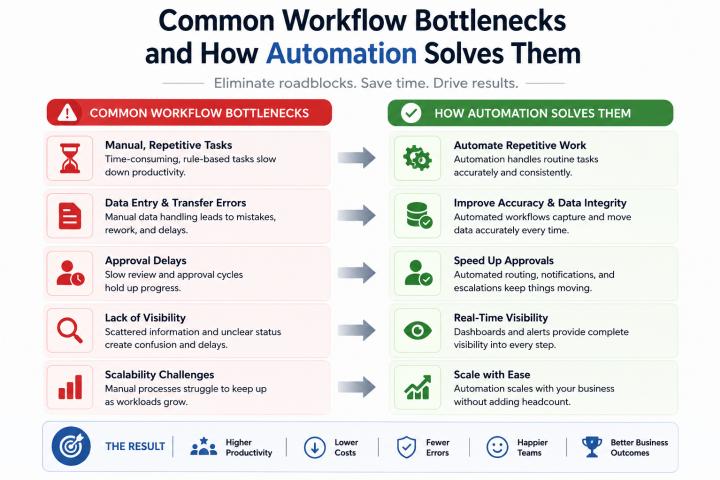
Automation is reshaping how businesses manage their daily workloads. Tasks that once took hours can now be streamlined, freeing up time for strategy, innovation, and customer engagement.
Key areas of automation include:
Inventory management and order management
AI-powered chatbots for customer care
Appointment scheduling
Project tracking and team collaboration
Tools such as Zapier, Trello, Slack, and Monday.com help businesses automate workflows, reduce human error, and scale operations efficiently.
Enhancing Financial Management with Digital Accounting
Finance is at the core of every business. Traditional bookkeeping methods are often slow and error-prone, while modern accounting platforms provide real-time insights for smarter decision-making.
Top accounting solutions include:
QuickBooks, Xero, and FreshBooks for bookkeeping and payroll
Cloud-based systems for remote access
Automated invoicing, expense tracking, and reporting
These tools improve visibility into cash flow, ensure tax compliance, support financial planning, and reduce risk.
Upskilling Teams with Real-World Learning
In the digital age, continuous learning is no longer optional. Companies that invest in professional development enjoy higher performance and employee retention.
Platforms like excendra.com provide immersive training in coding, AI, and web technologies, ensuring teams develop in-demand skills to stay competitive. By fostering a culture of ongoing upskilling, businesses encourage innovation and prepare their workforce for future challenges.
Improving Customer Experience
Modern customers expect fast, personalized, and seamless service. Digital tools make this possible through customer relationship management (CRM), automated support, and real-time feedback.
Examples include:
HubSpot or Zoho CRM for managing relationships
LiveChat or Zendesk for instant support
Typeform or SurveyMonkey for collecting feedback
Prioritizing customer experience drives loyalty, satisfaction, and long-term revenue growth.
Making Smarter Decisions with Data
Data is one of the most powerful resources for businesses. With analytics tools, raw information is transformed into actionable insights that guide strategy across all departments.
Essential tools include:
Google Analytics for website monitoring
Power BI or Tableau for advanced data visualization
Data-driven decision-making allows businesses to identify best-selling products, understand customer behavior, improve marketing campaigns, and predict future trends with greater accuracy.
Supporting Remote and Hybrid Work
The rise of flexible work models has made digital collaboration tools indispensable. These platforms maintain productivity, communication, and coordination across distributed teams.
Common tools include:
Zoom and Google Meet for video conferencing
Google Drive and Dropbox for file sharing
Notion, ClickUp, and Microsoft Teams for project collaboration
Beyond communication, these tools foster creativity, agility, and innovation in digital-first workplaces.