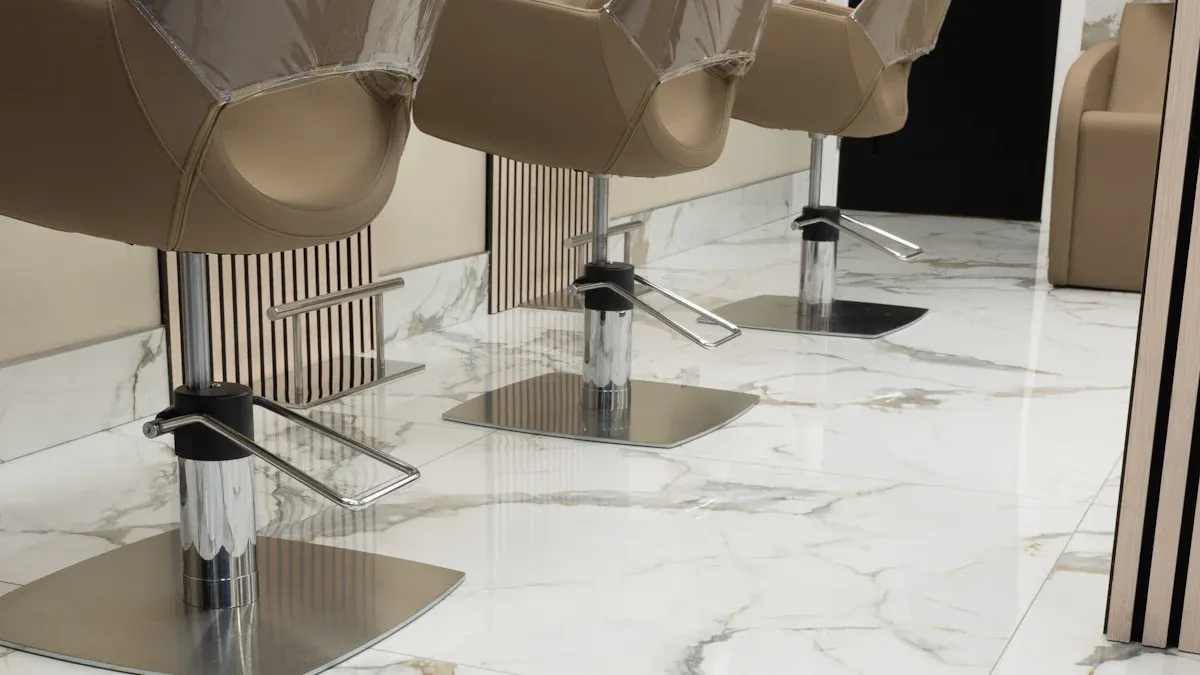
Recent industry reports show that over 41% of companies have introduced advanced technologies into flooring, with digital printing technology driving a new era of design and durability. Manufacturers now use pvc printing film to achieve flexible design options and improved wear layers. The following table shows key industry advancements:
| Aspect | Impact |
| Design | Digital printing expands design flexibility. |
| Durability | Enhanced wear layers and UV protection boost product lifespan. |
| Manufacturing Efficiency | Digital printing streamlines the process and accounts for 36% of design applications. |
Industry professionals benefit from understanding how pvc solutions continue to shape modern flooring.
Key Takeaways
- PVC printing film enhances design flexibility, allowing for a wide range of >
- Durability is a key advantage; PVC film resists scratches, stains, and moisture, making it ideal for high-traffic areas.
- Cost-effectiveness is significant; while initial costs may be higher, PVC film reduces long-term maintenance and replacement expenses.
- PVC film supports eco-friendly practices, with many products made from recycled materials and designed for recyclability.
- Advanced printing technologies enable high-resolution designs, ensuring vibrant and lasting visuals for flooring.
- Customization options are vast, allowing consumers to select colors, textures, and finishes that match their unique tastes.
- PVC flooring film is safe for indoor use, meeting strict standards for low emissions and free from harmful substances.
- The adaptability of PVC film makes it suitable for both indoor and outdoor applications, providing reliable performance across various environments.
What Is PVC Printing Film
Composition and Structure
PVC printing film consists of several layers that work together to create a durable and attractive surface. The core layer uses polyvinyl chloride, which provides flexibility and strength. Manufacturers often add a printed design layer, which allows for high-resolution images and patterns. A protective wear layer sits on top, shielding the design from scratches and stains. This structure makes pvc film ideal for use in LVT, SPC, and WPC flooring, where both appearance and performance matter.
Many people believe that pvc film is unsafe or harmful to the environment. However, modern production methods have improved its safety and sustainability. For example, some facilities operate with zero waste and offer recycling programs. Newer pvc products also meet strict standards for low emissions, making them suitable for indoor use. These advancements help dispel common myths about pvc printing film.
- Note: PVC flooring film does not contain harmful substances like formaldehyde or heavy metals. It also resists moisture, which helps prevent mold growth in indoor spaces.
Role in Flooring
PVC printing film plays a vital role in the flooring industry. It serves as the decorative layer in LVT, SPC, and WPC products. This film allows manufacturers to replicate the look of wood, stone, or tile with remarkable accuracy. The protective top layer ensures that the design stays vibrant, even in high-traffic areas. In spc flooring, the rigid core combines with pvc film to create a stable and long-lasting product.
The use of pvc film in flooring offers several benefits:
- Enhanced design options for commercial and residential spaces.
- Improved resistance to wear, stains, and fading.
- Easier maintenance compared to traditional materials.
These features make pvc printing film a popular choice for modern flooring solutions.
Types of PVC Film
Manufacturers use two main types of pvc film: monomeric and polymeric. Monomeric pvc film contains shorter molecular chains, which makes it more flexible but less durable over time. It works well for short-term applications or areas with less foot traffic. Polymeric pvc film, on the other hand, has longer molecular chains. This structure gives it greater stability and resistance to shrinking or warping. Polymeric pvc film is often used in high-quality flooring products that require long-term performance.
| Type of PVC Film | Key Features | Common Applications |
| Monomeric | Flexible, cost-effective | Short-term flooring, signs |
| Polymeric | Stable, long-lasting | LVT, SPC, WPC flooring |
Some misconceptions about pvc film still exist:
- PVC is bad for the environment.
- PVC off-gasses harmful chemicals.
- PVC is unsafe for indoor use.
Recent advances show that pvc flooring film can be both safe and sustainable. Many products now meet global standards for low emissions and do not contain heavy metals. These improvements help ensure that pvc printing film remains a reliable choice for flooring manufacturers.
Benefits of PVC Printing Film
Design Versatility
PVC printing film stands out for its exceptional design flexibility. Manufacturers can create a wide range of looks, from natural wood grains to bold geometric patterns. This versatility allows designers to meet the needs of both residential and commercial spaces. The material supports various finishes, such as matte, glossy, and transparent, which helps achieve a high-quality finish for any project.
- PVC printing film offers customization in color, finish, thickness, and adhesive backing.
- It adapts to both flat and curved surfaces, making it suitable for flexible printed products and banners.
- The film works with different printing technologies, including digital, gravure, and flexographic printing.
- Designers can use it for high-quality printing surfaces that maintain excellent print quality.
This adaptability ensures that flooring manufacturers can deliver unique solutions for every client. The ability to conform to different shapes and surfaces also makes pvc film a preferred choice for creative applications beyond flooring, such as banners and signage.
- Tip: PVC film enables rapid prototyping and small-batch production, allowing businesses to test new designs without large upfront investments.
Durability and UV Resistance
Durability remains a key advantage of pvc film in modern flooring. The multi-layer structure, including a protective wear layer, provides outstanding durability and scratch resistance. This construction helps flooring withstand heavy foot traffic, furniture movement, and daily wear.
- PVC film resists moisture, which prevents warping and mold growth.
- The material offers strong weather resistance, making it suitable for both indoor and outdoor banners and flooring.
- UV-resistant coatings protect the printed design from fading, even in areas with direct sunlight.
- The film maintains its performance and appearance over time, supporting long-term durability.
Advanced printing techniques, such as gravure and rotary screen printing, further enhance the quality and durability of the finished product. These methods produce sharp images and vibrant colors that last, even under challenging conditions. As a result, pvc flooring film delivers reliable performance for years, reducing the need for frequent replacements.
Cost-Effectiveness
Cost-effectiveness plays a major role in the growing popularity of pvc film. While entry-level pvc decorative film may have a higher material cost per square meter than basic laminate, it often outperforms traditional materials in the long run.
- PVC film's moisture resistance leads to fewer replacements in humid environments, saving money over time.
- Specialized installation may increase labor costs, but the long-term value offsets these expenses.
- Premium laminates can exceed pvc prices, especially when considering durability and weather resistance.
- PVC film provides cost-effective solutions for both flooring and banners, thanks to its long lifespan and low maintenance needs.
The combination of high-quality printing, durability, and weather resistance ensures that pvc banner film and flooring products offer excellent value. Manufacturers and end-users benefit from reduced maintenance, fewer replacements, and consistent performance. This makes pvc printing film a smart investment for those seeking both quality and cost-effectiveness in their projects.
PVC Film vs. Traditional Flooring
Wood and Laminate Comparison
Wood and laminate flooring have long been popular choices for homes and businesses. Many people appreciate the natural look and warmth of wood. Laminate offers a similar appearance at a lower cost. However, both materials present challenges in terms of durability and maintenance. Wood can scratch easily and may warp when exposed to moisture. Laminate resists some wear but often struggles with water damage and fading.
PVC film provides a strong alternative. Manufacturers use pvc printing film to create realistic wood patterns and textures. The protective layer in pvc film resists scratches and stains. This feature increases durability and reduces the need for frequent repairs. PVC flooring film also stands up to moisture, making it suitable for kitchens, bathrooms, and basements.
Environmental impact matters to many buyers. The table below compares the raw materials, production impact, and VOC emissions of laminate and vinyl flooring:
| Flooring Type | Raw Materials | Production Impact | VOC Emissions |
| Laminate | Made from wood byproducts, renewable if sourced responsibly | Involves chemicals like formaldehyde, potential health concerns | Some products emit VOCs, but low-VOC options available |
| Vinyl | Made from PVC, derived from petroleum, less eco-friendly | Involves harmful chemicals and significant energy consumption | Can emit VOCs, but low-VOC options available |
Laminate flooring uses wood byproducts, which can be renewable. However, the production process often involves chemicals like formaldehyde. Vinyl flooring, including pvc film, uses petroleum-based materials. Some manufacturers now offer low-VOC options to improve indoor air quality.
- Note: PVC film flooring does not contain formaldehyde or heavy metals. Many products meet strict standards for low emissions.
Other Flooring Materials
Ceramic tile and stone flooring offer high durability and a classic look. These materials resist scratches and stains. However, they can crack under heavy impact and often require professional installation. Maintenance can be time-consuming, with regular cleaning and sealing needed to preserve quality.
PVC film flooring competes well with these materials. The wear layer in pvc film protects against scratches and daily wear. PVC flooring film remains flexible, which helps prevent cracking. Cleaning is simple, usually requiring only sweeping and mopping. This ease of maintenance appeals to busy households and commercial spaces.
The table below highlights key differences in performance and longevity between vinyl composite tile (VCT) and luxury vinyl tile (LVT), both of which use pvc film technology:
| Feature | VCT (Vinyl Composite Tile) | LVT (Luxury Vinyl Tile) |
| Wear Layer Thickness | Thinner, more prone to scratches | Thicker, resists scratches better |
| Maintenance Requirements | Requires regular waxing and polishing | Low maintenance, just sweeping and mopping |
| Longevity | Durable but can chip or crack | Longer lifespan, more flexible and less likely to crack |
| Ideal Use | Commercial settings with heavy traffic | Residential and light commercial use |
PVC film enhances the quality and durability of LVT. The thicker wear layer protects the printed design and extends the lifespan of the flooring. PVC flooring film offers a balance of durability, quality, and easy care. Many customers choose pvc film products for their cost-effectiveness and reliable performance.
- Tip: PVC film flooring adapts to many environments, from homes to offices. It provides lasting quality without the high maintenance demands of traditional materials.
Design and Aesthetics in Flooring
Creative Possibilities
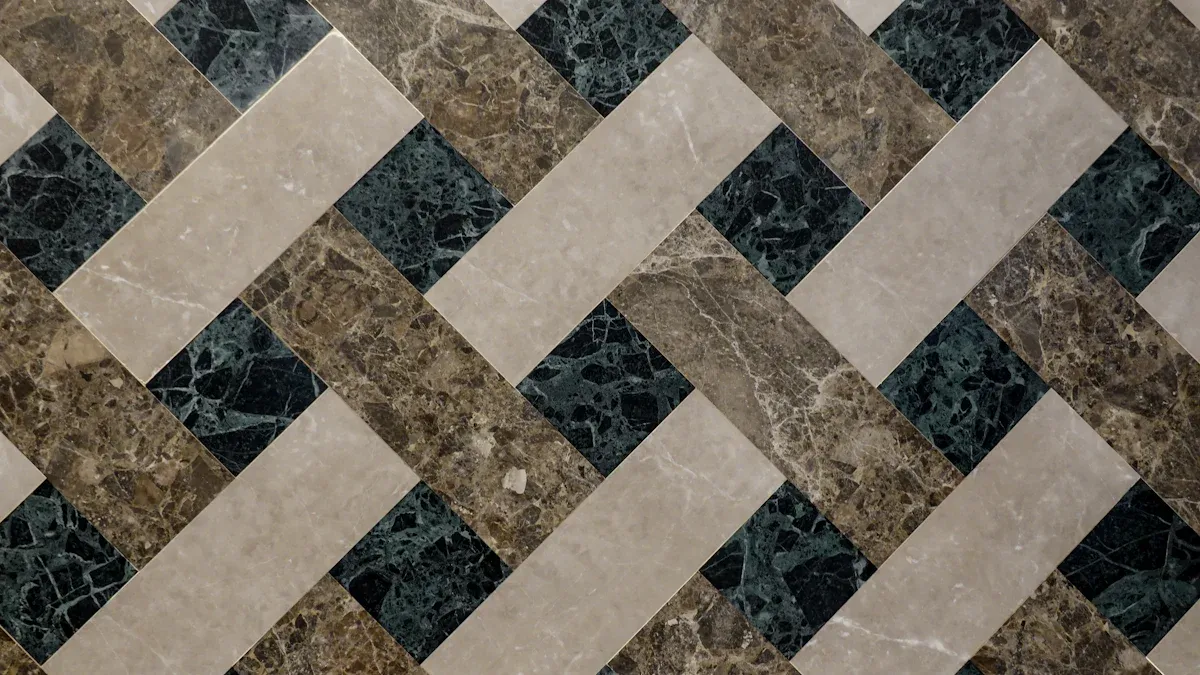
PVC flooring film opens up a world of creative possibilities for interior spaces. Designers can now achieve looks that were once difficult or expensive to replicate. The technology behind PVC printing film allows for high-resolution images and intricate patterns. This means that floors can feature anything from realistic wood grains to bold abstract art.
Manufacturers use advanced printing techniques to produce detailed designs. These methods help create flooring that stands out in both homes and commercial settings. The ability to mimic natural materials, such as stone or tile, gives architects and designers more freedom when planning a space. PVC flooring film also supports a variety of finishes, including matte and high gloss, which further expands the range of available >
- Designers appreciate the flexibility of PVC flooring film. They can experiment with new patterns and textures without the limitations of traditional materials.
The focus on sustainability has also influenced design choices. Many companies now offer biodegradable and recyclable PVC films. This shift appeals to consumers who want eco-friendly options without sacrificing >
Customization Trends
The demand for customization in flooring has never been higher. Homeowners and businesses want floors that reflect their unique tastes and needs. PVC printing film meets this demand by offering a wide range of design options and finishes.
- Minimalist geometric patterns have become popular in modern interiors.
- Personalized customization allows consumers to select colors, patterns, and even textures that match their vision.
- Novel >
- Realistic patterns, like wood grain and stone grain, cater to classic and contemporary tastes.
- Different glossiness options, such as high gloss and matte, help match flooring to any interior >
The customization potential of PVC flooring film sets it apart from traditional materials. Manufacturers can quickly adapt to changing trends and customer preferences. This flexibility ensures that every project can achieve a unique look.
A growing interest in eco-friendly products has also shaped customization trends. Consumers now look for flooring that combines >
- Note: The ability to customize both the appearance and performance of PVC flooring film helps solve common customer problems, such as matching existing décor or meeting specific durability needs.
Applications and Innovations

LVT, SPC, and WPC Flooring
Manufacturers use pvc printing film in luxury vinyl tile (LVT), stone plastic composite (SPC), and wood plastic composite (WPC) flooring to create realistic surfaces. LVT flooring often features wood grain or stone patterns that look authentic. SPC flooring uses a rigid core and pvc film to provide stability and durability. WPC flooring combines wood fibers and pvc for a softer feel underfoot. These products suit both homes and commercial spaces. Designers select pvc film for its ability to deliver sharp images and vibrant colors. The protective layer on pvc flooring film helps prevent scratches and stains, making it ideal for high-traffic areas.
Real-world applications include office buildings, retail stores, and schools. In these settings, pvc film ensures floors remain attractive and easy to clean. Many hotels choose LVT with pvc printing film for guest rooms because it resists moisture and maintains its appearance. SPC flooring works well in kitchens and bathrooms due to its waterproof properties. WPC flooring finds use in living rooms and bedrooms where comfort matters.
Indoor and Outdoor Use
PVC film adapts to both indoor and outdoor applications. Indoor films are typically thinner and designed for smooth surfaces. Outdoor films are thicker and withstand weather and heavy foot traffic. Foil-based films offer flexibility and durability for outdoor use. Fabric-reinforced films suit short-term outdoor projects but do not last as long.
The table below compares short-term and long-term performance metrics for pvc printing film in different environments:
| Application Type | Film Type | Durability Expectation | Material Characteristics |
| Outdoor | Foil-based films | Up to 1 year | Flexible, adheres well to textured surfaces |
| Outdoor | Fabric-reinforced films | Around 3 months | Suited for short-term projects, less durable |
| Indoor | Various indoor films | Varies | Typically thinner, designed for smooth surfaces |
- Outdoor films are generally thicker and made from materials that withstand weather and foot traffic.
- Foil-based films are ideal for outdoor use due to their flexibility and durability.
- Fabric-reinforced films are better for short-term outdoor applications.
PVC flooring film also provides non-slip solutions for safety. Manufacturers add textured surfaces or special coatings to reduce the risk of slips and falls. These features benefit schools, hospitals, and public spaces where safety is important.
Printing Technology Advances
Advances in printing technology have improved the quality and versatility of pvc film. Digital printing allows manufacturers to produce detailed images and complex patterns. Gravure and flexographic printing methods create consistent results for large production runs. These techniques help companies respond quickly to changing design trends.
Printing innovations also support eco-friendly practices. Some manufacturers use water-based inks and recyclable pvc film to reduce environmental impact. Improved printing methods enable rapid prototyping, so designers can test new ideas before full-scale production. The ability to customize colors, textures, and finishes gives architects and builders more options for their projects.
PVC printing film continues to evolve, offering solutions for both short-term and long-term applications. Its adaptability makes it a preferred choice for indoor and outdoor applications, from banners to flooring. As technology advances, pvc film will play an even greater role in shaping the future of flooring.
Sustainability in PVC Printing Film
Eco-Friendly Practices
Manufacturers continue to improve eco-friendly practices in the production of pvc flooring film. Many facilities now use energy-efficient machinery and water-saving processes. They also reduce waste by recycling scrap materials during manufacturing. Some companies choose water-based inks for printing, which lowers the risk of harmful emissions. These steps help create a safer workplace and support sustainability goals.
Recycled pvc often finds new life in flooring products. By reusing materials, manufacturers lower the demand for raw resources and decrease landfill waste. Many factories operate with closed-loop systems, where leftover pvc gets collected and reused. This approach leads to reduced environmental impact and supports the sustainability benefits of modern flooring solutions.
- Tip: Choosing pvc flooring film made with recycled content helps businesses meet green building standards and appeal to eco-conscious customers.
Recyclability
Recyclability remains a key factor in the sustainability of pvc flooring film. The Vinyl Sustainability Council reported that North America recycles about 1.1 billion pounds of pvc each year. Plastics recycling firms process nearly 958 million pounds of post-industrial pvc and 142 million pounds of post-consumer, non-packaging pvc annually. This figure accounts for roughly 27% of the region's yearly pvc waste generation.
Recycling rates for post-consumer pvc remain difficult to measure, as data often combines figures from the United States and Canada. Despite these challenges, the industry continues to expand recycling programs. Many flooring manufacturers design pvc flooring film to be easily separated and recycled at the end of its life. This process helps conserve resources and supports a circular economy.
- Recycled pvc can become new flooring, pipes, or building materials.
- Post-industrial recycling keeps manufacturing waste out of landfills.
- Post-consumer recycling gives used flooring a second life.
A growing number of customers ask for products with high recyclability. Manufacturers respond by labeling pvc flooring film with recycling codes and providing information about local recycling options.
Industry Standards
Industry standards play a vital role in promoting sustainability for pvc flooring film. Organizations such as the Vinyl Sustainability Council and FloorScore set strict guidelines for emissions, recyclability, and product safety. These standards ensure that pvc flooring film meets health and environmental requirements.
Manufacturers must test their products for volatile organic compounds (VOCs) and heavy metals. Many pvc flooring film products now meet low-emission standards, making them safe for indoor use. Certification programs encourage companies to adopt best practices and improve transparency.
| Standard/Certification | Focus Area | Benefit to Customers |
| FloorScore | Indoor air quality | Ensures low VOC emissions |
| Vinyl Sustainability Council | Recycling, emissions | Promotes sustainable practices |
| ISO 14001 | Environmental management | Supports reduced environmental impact |
Customers can look for certified pvc flooring film to ensure they receive safe and sustainable products. These standards help solve common concerns about indoor air quality and environmental responsibility.
Sustainability in PVC Printing Film
Eco-Friendly Practices
Manufacturers have made significant progress in eco-friendly practices for PVC flooring film. Many factories now use energy-saving equipment and recycle water during production. They also reduce waste by collecting and reusing leftover materials. Some companies choose water-based inks, which help lower harmful emissions. These steps support sustainability and create safer products for people and the environment.
Factories often use reclaimed content in their products. This means they add post-consumer or post-industrial PVC resin to new flooring film. By doing this, they reduce the need for new PVC and help keep waste out of landfills. Many manufacturers also switch to eco-friendly stabilizers and additives. They replace harmful chemicals with lead-free alternatives, which protect both health and the environment.
| Sustainable Practice | Description |
| Use of Reclaimed Content | Incorporating post-consumer or post-industrial PVC resin to reduce waste and new PVC production. |
| Eco-Friendly Stabilizers and Additives | Replacing harmful additives with lead-free alternatives to protect health and the environment. |
| Types of PVC Recycling | Utilizing various recycling methods to extend PVC lifespan and reduce environmental impact. |
| Mechanical Reclamation | Grinding old PVC products into small particles for reuse, significantly contributing to recycling efforts. |
- Tip: Choosing PVC flooring film made with reclaimed content helps businesses meet green building goals and appeal to eco-conscious customers.
Recyclability
Recyclability plays a key role in the sustainability of PVC flooring film. Manufacturers design many products so they can be recycled at the end of their life. They use several recycling methods to extend the lifespan of PVC and reduce environmental impact. Mechanical reclamation is one common method. In this process, old PVC products get ground into small particles. These particles then become part of new flooring film or other building materials.
Manufacturers also focus on using eco-friendly stabilizers and additives. By avoiding harmful chemicals, they make recycling safer and easier. Many companies label their products with recycling codes. This helps customers know how to dispose of used flooring film properly.
| Sustainable Practice | Description |
| Use of Reclaimed Content | Incorporating post-consumer or post-industrial PVC resin to reduce waste and new PVC production. |
| Eco-Friendly Stabilizers and Additives | Replacing harmful additives with lead-free alternatives to protect health and the environment. |
| Types of PVC Recycling | Utilizing various recycling methods to extend PVC lifespan and reduce environmental impact. |
| Mechanical Reclamation | Grinding old PVC products into small particles for reuse, significantly contributing to recycling efforts. |
Recycling helps conserve resources and supports a circular economy. Many customers now look for flooring that offers both durability and easy recycling.
Industry Standards
Industry standards guide the production and testing of PVC flooring film. These standards help ensure products are safe, durable, and environmentally friendly. Several certifications show that a product meets strict environmental rules. The most widely recognized certifications include RoHS, REACH, and FDA for embossed PVC film.
Manufacturers test their products for harmful substances and emissions. They follow these standards to protect indoor air quality and support sustainability. Customers can look for certified products to make sure they choose safe and responsible flooring. These standards help solve common concerns about health and environmental impact.
- Note: Industry standards and certifications give buyers confidence in the safety and sustainability of PVC flooring film.
PVC printing film continues to transform flooring by offering realistic wood grains, stone textures, and carpet patterns. Manufacturers benefit from advanced production technology, high-definition digital printing, and strong adhesion, which improve durability and visual appeal. The industry now focuses on eco-friendly practices and innovative features like slip resistance and antibacterial surfaces. As sustainability and customization trends grow, companies that adopt advanced PVC solutions, such as those from GATHERSTAR, stay ahead in a competitive market. The future promises even smarter, safer, and more sustainable flooring options.
FAQ
What is PVC flooring film used for?
PVC flooring film creates the decorative and protective surface layer in modern vinyl flooring. Manufacturers use it in LVT, SPC, and WPC floors to provide realistic designs, durability, and easy maintenance.
Is PVC flooring film safe for indoor use?
Manufacturers design PVC flooring film to meet strict safety standards. Most products do not contain formaldehyde or heavy metals. Many options meet low-emission certifications, making them safe for homes, schools, and offices.
How does PVC flooring film compare to laminate or wood?
PVC flooring film resists moisture, scratches, and stains better than laminate or wood. It offers more design choices and requires less maintenance. Many users prefer it for high-traffic or wet areas.
Can PVC flooring film be recycled?
Many manufacturers design PVC flooring film for recyclability. Facilities can process old flooring into new products. Recycling helps reduce waste and supports a circular economy.
How do you clean and maintain PVC flooring film?
Cleaning PVC flooring film is simple. Sweep or vacuum regularly. Use a damp mop with mild detergent for deeper cleaning. Avoid harsh chemicals or abrasive tools to keep the surface looking new.
Does PVC flooring film fade in sunlight?
Most PVC flooring films include UV-resistant coatings. These coatings protect colors and patterns from fading, even in rooms with direct sunlight.
What design options are available with PVC flooring film?
PVC flooring film offers a wide range of designs. Customers can choose wood, stone, tile, or custom patterns. Manufacturers use advanced printing to create high-resolution, realistic surfaces.
Is PVC flooring film environmentally friendly?
Many manufacturers use recycled materials and eco-friendly additives in PVC flooring film. Products often meet environmental standards for low emissions and recyclability. Customers can look for certifications to ensure sustainability.
Tip: Always check for certifications like FloorScore or Vinyl Sustainability Council to confirm product safety and environmental responsibility.