
Utah’s breathtaking mountain landscapes make it a desirable destination for homeowners seeking luxury and tranquility. Yet, building in elevated terrains introduces unique architectural and environmental challenges that demand strategic planning. Every altitude variation—from the Wasatch foothills to the high peaks of Park City—affects how a home functions, endures, and feels.
Partnering with an experienced Luxury Home Builder Utah ensures that design choices, materials, and construction techniques align with local elevation conditions. Altitude impacts everything from structural integrity and energy efficiency to interior comfort and long-term maintenance.
1) Climate Variations and Thermal Performance
Utah’s elevation differences result in dramatic temperature fluctuations between regions. Higher elevations experience colder winters, stronger winds, and reduced air density—all of which affect how homes retain heat and manage energy.
Thermal Envelope Design
A strong insulation system is essential to maintain stable indoor temperatures. Builders often use multi-layered insulation, triple-pane windows, and advanced weather barriers to minimize heat transfer.HVAC System Efficiency
At high altitudes, heating systems work harder due to thinner air and increased heat loss. Properly sized furnaces and radiant floor systems maintain even warmth while reducing energy consumption.Solar Gain Optimization
With clearer skies at altitude, solar exposure is stronger. Strategic window placement maximizes natural warmth in winter while shading prevents overheating in summer.
2) Structural Engineering for Snow and Wind Loads
Elevation brings heavier snow accumulation and high-velocity winds, demanding structural designs that account for these environmental forces.
Roof Pitch and Material Choice
Steep roof slopes prevent snow buildup, while materials like standing-seam metal provide durability against freeze-thaw cycles.Load-Bearing Calculations
Structural engineers design framing and truss systems to withstand added snow weight. Reinforced supports ensure the home remains stable under extreme conditions.Wind-Resistant Framing
Builders use shear walls, anchoring systems, and braced frames to prevent uplift or sway during storms.
3) Site Orientation and Land Grading
Topography dictates how a home interacts with its surroundings. In mountainous Utah regions, orientation influences natural light, drainage, and accessibility.
Maximizing Solar Exposure
South-facing designs capture warmth and light, reducing energy demands. Proper orientation enhances views while controlling glare and UV exposure.Water and Drainage Management
Sloped terrain requires engineered grading to channel runoff safely. Retaining walls and permeable surfaces reduce erosion risk and foundation stress.Accessibility Considerations
Driveway gradients and entryway placements are planned carefully to ensure year-round access, especially during winter snowfall.
4) Material Selection for Durability
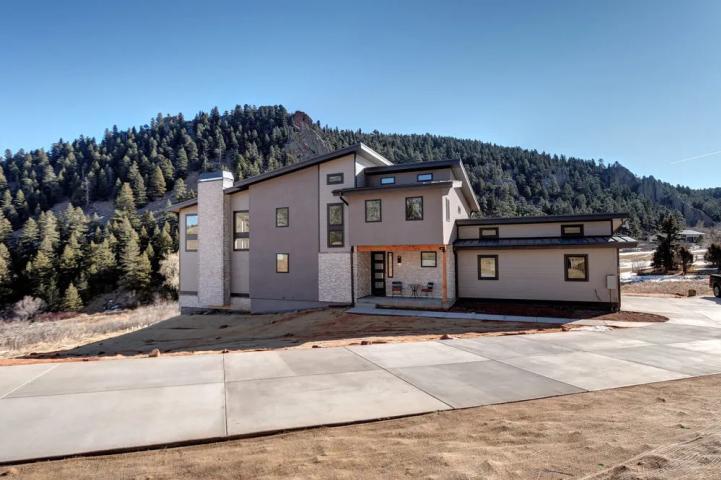
Homes built at higher elevations must withstand freeze-thaw cycles, UV intensity, and varying humidity levels. Material selection plays a major role in longevity and aesthetics.
Exterior Finishes
Stone veneers, treated wood, and metal cladding resist weather-related deterioration. These materials also complement Utah’s natural landscape.Moisture-Resistant Components
Builders prioritize vapor barriers, waterproof membranes, and proper ventilation to prevent condensation and mold.Low-Maintenance Materials
Using composite decking, rust-proof fasteners, and high-performance paints reduces long-term upkeep needs.
5) Energy Efficiency and Sustainability
Building sustainably at elevation means designing homes that adapt to environmental extremes without excessive energy use.
Passive Design Elements
Architectural features like overhangs, thermal mass walls, and cross-ventilation minimize artificial heating and cooling needs.Renewable Energy Integration
Solar panels perform efficiently in high-altitude sunlight, while geothermal systems provide consistent heating year-round.Water Conservation
Drought-tolerant landscaping, rainwater harvesting, and greywater systems help manage limited water resources in arid mountain regions.
6) Construction Logistics and Accessibility Challenges
Transporting materials and equipment to elevated sites can be difficult. Narrow roads, steep inclines, and remote locations require specialized planning and coordination.
Site Access Planning
Builders often create temporary access roads or staging zones for material storage. Scheduling deliveries strategically prevents project delays.Equipment Adaptation
Heavy machinery and cranes may need modifications for altitude performance or space constraints. Experienced teams plan accordingly.Seasonal Scheduling
Weather patterns dictate construction timing. Work is often paused during heavy snow or freezing temperatures, requiring precise project management.
7) Design for Life>
High-altitude homes are not only about survival—they embody luxury, wellness, and connection to nature. Designing with the environment in mind enhances comfort and livability.
Indoor Air Quality
Air at higher elevations contains less oxygen, so ventilation systems must maintain balance and filtration. Air exchange systems help prevent dryness and discomfort.Interior Warmth and Ambiance
Natural materials like stone and wood create cozy interiors that harmonize with the outdoor landscape. Radiant heating and fireplaces add comfort during long winters.View-Centric Layouts
Expansive windows and decks frame Utah’s mountain vistas. Strategic placement preserves privacy while capturing the region’s beauty.
Collaboration Between Builders, Architects, and Engineers
Elevation-sensitive design requires collaboration across multiple disciplines. Structural engineers, architects, and builders work together to balance aesthetics, safety, and performance.
Unified Planning
Early collaboration ensures design efficiency and eliminates conflicts between vision and feasibility.Material and Method Integration
Architects coordinate with builders to align design intent with practical construction solutions suited to high altitudes.Sustainability Synergy
Joint efforts toward green building certifications and reduced carbon impact reflect Utah’s growing commitment to environmental stewardship.
Innovations Elevating Utah’s Mountain Homes
Technology continues to redefine construction methods for elevated terrains. Modern tools and data-driven approaches enhance precision, safety, and energy performance.
Building Information Modeling (BIM)
Digital simulations allow architects to visualize performance factors like sun exposure, airflow, and material stress before construction begins.Smart Home Integration
Automation systems control lighting, temperature, and security remotely—an essential feature for second homes or vacation properties.Modular and Prefabricated Elements
Prefabrication reduces on-site construction challenges by producing components in controlled environments, ensuring consistent quality and efficiency.
The Aesthetic Appeal of Elevation
High-altitude living offers more than technical considerations—it’s about designing harmony between luxury and landscape. Utah’s elevated regions inspire architectural creativity rooted in natural beauty.
Blending Architecture With Terrain
Modern mountain homes are designed to feel like extensions of their surroundings, using organic lines and native materials.Framing Nature
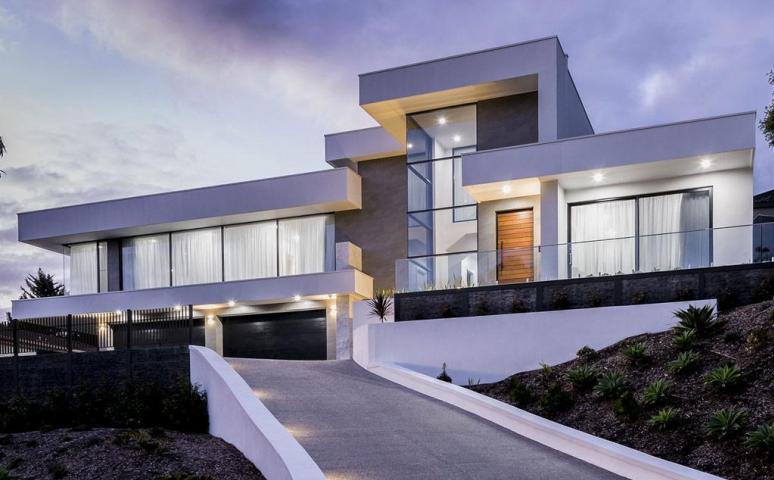
Panoramic glass walls and outdoor living areas create seamless transitions between interior comfort and exterior beauty.Lighting Design
Thoughtful illumination highlights architectural details and preserves the tranquil nightscape unique to mountain settings.
Conclusion
Building at elevation requires more than technical expertise—it demands artistry, precision, and environmental respect. A skilled Luxury Home Builder Utah understands how altitude shapes every design decision, from structure to sustainability. When planning a high-elevation property, aligning craftsmanship with the natural environment ensures safety, longevity, and comfort. Working with trusted local developers and community planners in Greener Hills further enhances the balance between innovation and preservation, creating homes that honor Utah’s majestic landscapes while delivering lasting luxury.