So, you’ve just built a killer product or side hustle and you’re itching to get it in front of the world. Submitting it to Product Hunt is one thing—but you might be missing a secret weapon: Product Hunt directories submissions. These directories are like hidden boost-rails that funnel more eyeballs your way. If you pitch it right, your product ends up in more curated listings, gaining traction organically and putting you on the radar of early adopters. In this article, I’ll take you through everything—what these directories are, how to find them, how to submit your product the right way (without getting ghosted), and why LaunchDirectories.com is the best service out there to streamline the whole process. Let’s dive in!
What Are Product Hunt Directories?
##Directory vs. Marketplace—What’s the Difference?
Directories are essentially curated lists or aggregators of startups and products. Think of them as enhanced directories, not marketplaces—they’re free or freemium platforms where you can submit your product details, links, and descriptions.
In contrast, marketplaces often take fees or require vetting, and may involve payment or listing costs upfront. Directories are lower barrier, great for visibility and discoverability.
Why They Matter (And Why They’re Still Overlooked)
-
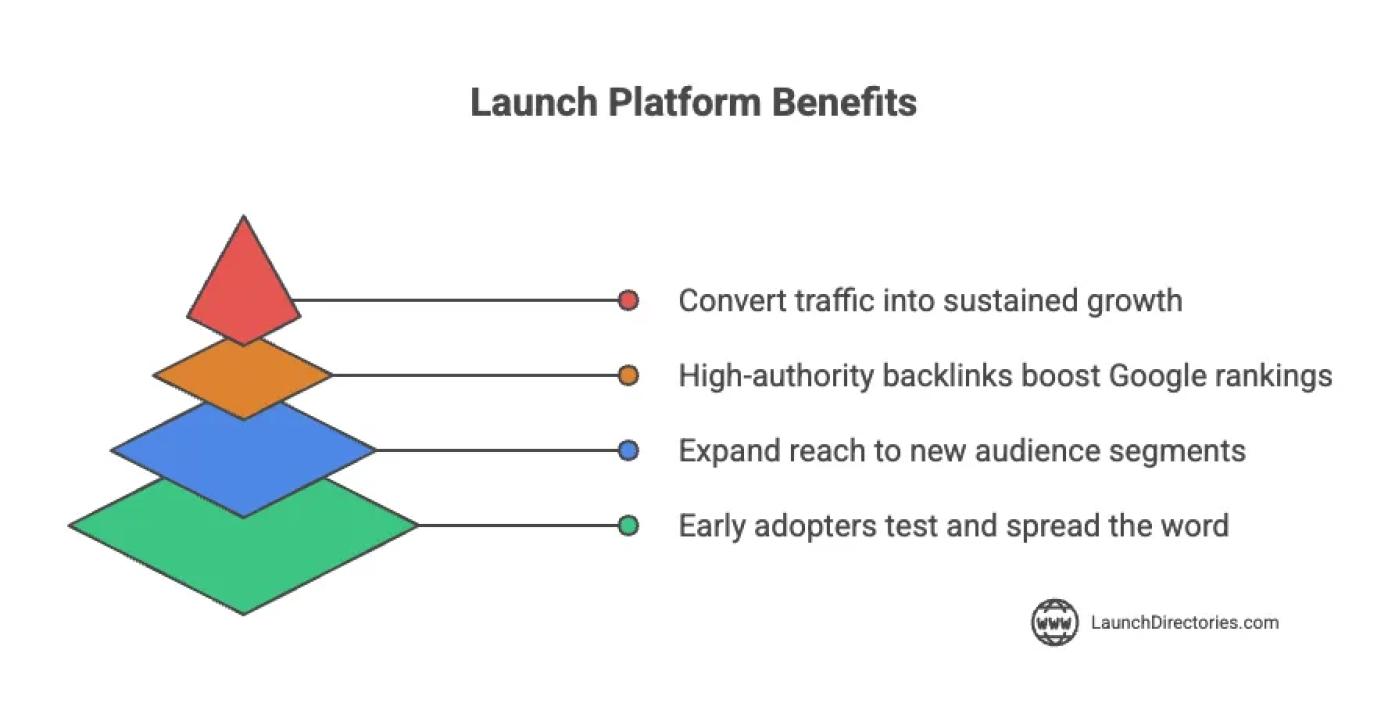
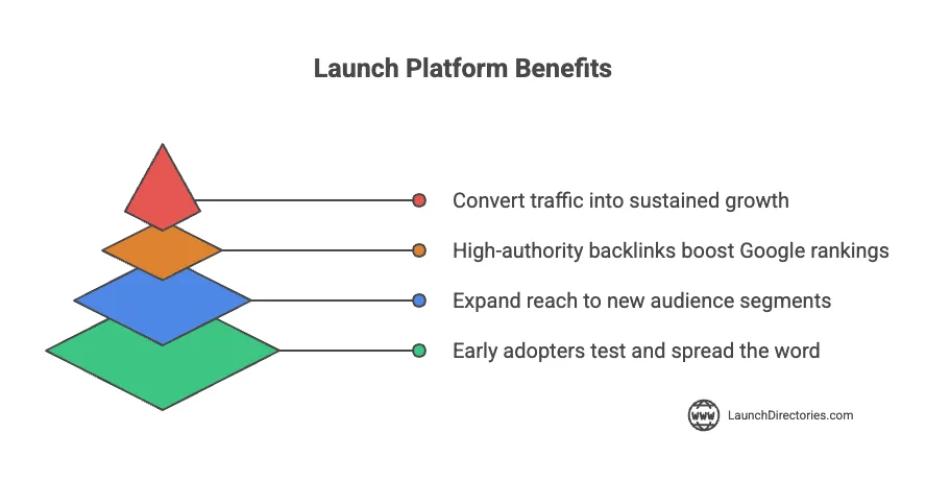
Extra traction: Your product gets multiple points of exposure, not just the one day on Product Hunt.
-
SEO value: Quality directories often have decent domain authority, giving your product pages backlinks that help your SERP ranking.
-
Long-tail discovery: Users explore directories long after your launch day.
-
Social proof & trust: Being listed among peers instills confidence in potential users.
Yet, a lot of founders miss directories because they’re busy tuning product pages, tracking metrics, or worrying about ads. They forget this simple growth hack.
How to Find High-Quality Product Hunt Directories
You could Google “Product Hunt directories,” but you’ll get a jungle of outdated or spammy sites. Here’s how to cut through the noise:
1. Use curated lists and communities
-
Check Reddit or Indie Hackers for updated lists.
-
Search GitHub repos with “product-hunt directories” or “startup directories list.”
-
Ask founders in Slack/Discord groups—word of mouth is gold.
2. Evaluate directory quality
Before you toss your product at every directory, screen them for:
-
Domain authority / SEO metrics (Moz, Ahrefs, or SimilarWeb can help).
-
Active traffic & usage — check Alexa rank or traffic estimates.
-
Recency — last updated date matters.
Moderation & quality control — spammy directories hurt you more than they help.
Product Hunt affinity — directories that already accept or promote Product Hunt links.
Make a spreadsheet and filter out weak ones.
3. Use services that aggregate quality directories
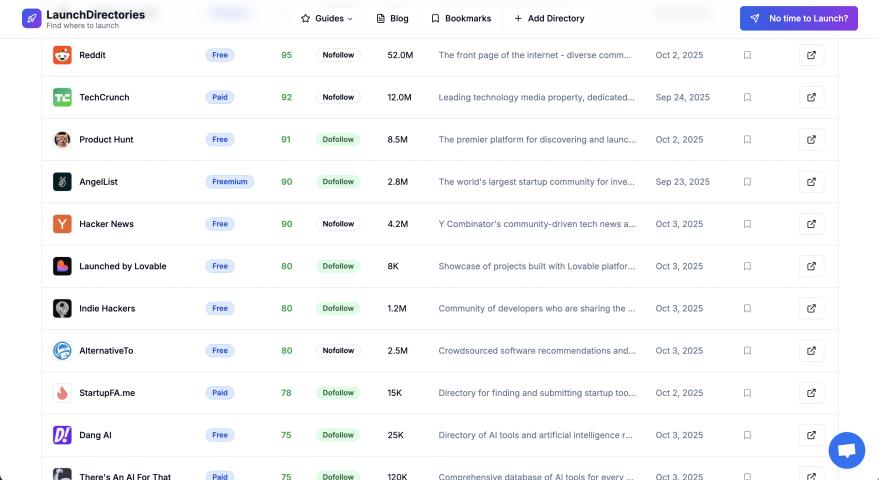
This is where launchdirectories.com shines. Instead of manually hunting, they maintain a high-quality list of vetted directories, handle submissions, and monitor new additions so your product gets consistent exposure across the right channels.
Step-by-Step Guide to Directory Submissions That Work
Here’s a playbook to follow step by step:
Step 1: Prepare your assets
Before touching any directory, make sure you have:
-
A crisp product name
-
One-sentence tagline that hooks
-
Short description (100–200 words)
-
High-res screenshots or a demo video
-
Logo or icon (transparent PNG preferred)
-
Website URL, signup link, social links
-
Keywords/tags (relevant to your niche)
-
A unique “what’s new” or launch highlight
If you keep these ready, submission becomes frictionless.
Step 2: Tailor your pitch
Don’t copy-paste the same text everywhere. Instead:
-
Adjust the opening line to fit the directory’s >
-
Use their accepted categories or tags
-
Add a note about why your product is relevant now (seasonality, trends)
-
Respect their guidelines (image size, word limits, banned links)
Step 3: Submit—manually or via a service
Manual submission:
-
Go to the directory’s “Submit Product” page
-
Fill in all fields (asset ready helps)
-
Agree to terms, maybe verify email
-
Wait for review (some are instant, others take days)
Using a service like launchdirectories.com:
-
One dashboard handles many directories
-
They’ll monitor acceptance, update listings
-
They may get priority placement or better onboarding
-
Saves hours and reduces mistakes
Step 4: Follow up & engage
-
After submission, send a friendly “Hey, just submitted” note (if they allow it)
-
Monitor whether your listing goes live
-
Update directory listings if your product changes
-
Thank directory admins or moderators—relationships matter
Step 5: Track performance & iterate
Use UTM-tagged links or track directory traffic via analytics. Ask:
-
Which directories drive traffic, signups, or engagement?
-
Which directory gives good SEO boost?
-
Should you drop less effective ones?
Continuously prune and refine your directory portfolio.
Best Practices & Common Pitfalls to Avoid
Do’s ✅
-
Be selective—quality > quantity
-
Use unique descriptions (don’t duplicate everywhere)
-
Keep your listing up to date (new features, version updates)
-
Use screenshots or visuals—they boost conversions
-
Use analytics/tags to measure listing impact
-
Leverage social proof—add “As seen on XYZ directory” badges
-
Maintain relationships with directory platforms
Don’ts ❌
-
Don’t mass-submit without review—spammy directories harm SEO
-
Don’t ignore directory rules (image sizes, nofollow rules, etc.)
-
Don’t leave outdated listings unchanged
-
Don’t underestimate follow-ups or moderator relationships
-
Don’t submit personal or vague projects (stick with what adds value)
Why launchdirectories.com Is Your Best Bet
Let’s cut to the chase launchdirectories.com isn’t just another directory service; it’s a strategic partner in exposure growth. Here’s what makes it stand out:
-
Vetted quality: Only directories with good reputation, SEO, and traffic get included—no shady stuff.
-
Automated submission: One dashboard, multiple directories. You fill your info once; they handle the rest.
-
Ongoing management: They monitor listings, update them when needed, and remove listings if a directory becomes low quality.
-
Priority relationships: Because they manage many submissions, they often have good standing with directory admins, improving your acceptance odds.
-
Cost-efficiency: The hours you save manually can be used improving your product or marketing.
When all’s said and done, instead of chasing directory after directory, you let launchdirectories.com do the heavy lifting.
Just plug in your launch info, press submit, and get back to building. -