
The financial landscape of 2025 is characterized by accelerated technological innovation, evolving regulatory frameworks, and a surge of capital flowing toward emerging investment opportunities. Investors, policymakers, and financial institutions are facing both unprecedented risks and extraordinary opportunities. Understanding these dynamics is essential for anyone seeking to build resilient portfolios and maximize long-term returns in a rapidly changing global economy.
1. Artificial Intelligence as a Financial Catalyst
Artificial intelligence (AI) is reshaping every corner of the financial sector. Investment banks, hedge funds, and wealth management platforms are integrating AI-driven analytics to forecast market movements with greater precision. Machine learning models now analyze millions of data points in real time—ranging from market volatility and credit risk to consumer sentiment and supply chain disruptions.
This predictive capability allows investors to anticipate market shifts before they become mainstream trends. As a result, companies that embrace AI are experiencing stronger ROI, reduced operational costs, and improved client acquisition rates. The AI finance sector has also become a magnet for venture capital funding, making it a critical pillar of modern investment strategy.
High CPC keywords: AI investing, predictive analytics, fintech innovation, automated trading strategies.
2. Green Finance and Sustainable Portfolios
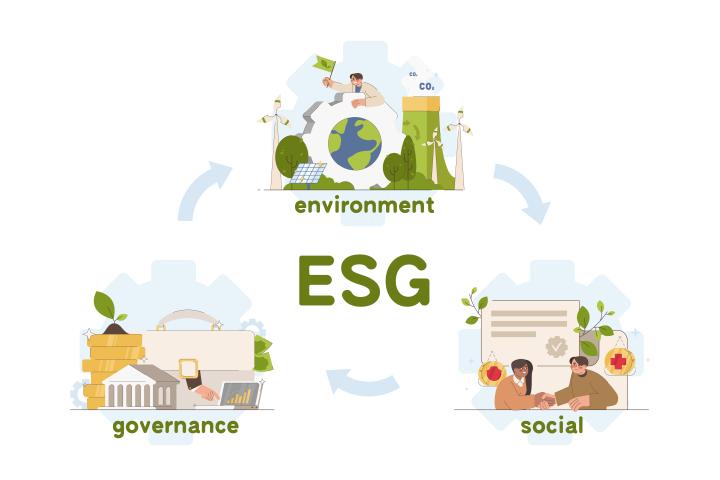
Sustainability is no longer a niche priority—it is a financial imperative. ESG (Environmental, Social, and Governance) investing has grown into a multi-trillion-dollar industry, attracting both retail and institutional investors seeking stable, long-term returns. Renewable energy bonds, carbon credit markets, and green infrastructure projects are offering compelling yields with lower volatility than many traditional asset classes.
Financial institutions are increasingly required by regulators to disclose their climate-related risks, driving transparency and boosting investor confidence. Additionally, governments across the globe are introducing tax incentives and subsidies for sustainable finance initiatives, making green investments not only ethically appealing but also financially strategic.
High CPC keywords: ESG investing, green bonds, sustainable finance, renewable energy investments.
3. The Rise of Digital Currencies and Tokenized Assets
The integration of digital currencies into mainstream finance marks one of the most significant shifts of the decade. Central bank digital currencies (CBDCs) are being tested and implemented in multiple economies, providing faster settlements and lower transaction fees. Stablecoins, once viewed with skepticism, are now being adopted by major payment processors and international trade platforms.
Beyond currencies, tokenization of assets such as real estate, commodities, and equities is unlocking new investment opportunities. This democratization of access allows investors to buy fractional shares of high-value assets, increasing liquidity and lowering barriers to entry.
High CPC keywords: CBDC, stablecoins, tokenized assets, blockchain investments, crypto regulation.
4. Tax Strategies and Wealth Protection for High-Net-Worth Individuals
Global tax policies are tightening in response to inflation, rising debt, and shifting geopolitical dynamics. High-net-worth individuals (HNWIs) and corporations are increasingly turning to tax-efficient structures to protect and grow their wealth. Trust funds, offshore accounts, and tax-advantaged retirement plans are being strategically utilized to minimize liabilities while maximizing after-tax returns.
In addition, many investors are seeking professional tax advisory services to navigate complex regulations in cross-border investments. As governments implement stricter reporting requirements, proactive tax planning has become a cornerstone of financial resilience.
High CPC keywords: tax planning, wealth management, trust funds, offshore investments, tax-efficient strategies.
5. Insurance-Linked Investments: A Hedge Against Volatility
Insurance-linked securities (ILS) are emerging as a powerful tool for diversification. Unlike equities and bonds, ILS returns are often uncorrelated with broader market trends, making them particularly attractive during periods of economic uncertainty. Catastrophe bonds, for example, allow investors to earn returns tied to insurance risks rather than market performance.
This alternative asset class has gained the attention of institutional investors, pension funds, and family offices looking to stabilize portfolios while preserving upside potential.
High CPC keywords: catastrophe bonds, insurance-linked securities, alternative investments, portfolio diversification.
6. Geopolitical Shifts and Their Economic Impact
The investment environment in 2025 cannot be understood without considering geopolitical realities. Trade tensions, energy security concerns, and global supply chain realignments are influencing capital flows. Investors are increasingly using geopolitical risk analysis to inform decisions about foreign direct investment, commodities, and defense-linked industries.
Furthermore, emerging markets in Asia, Africa, and Latin America are attracting significant foreign investment as investors seek growth opportunities beyond traditional financial centers.
High CPC keywords: geopolitical risk, emerging markets investment, global trade policy, economic sanctions impact.
7. The Transformation of Real Estate Investment
Real estate remains a cornerstone of wealth creation, but the strategies are evolving. Institutional investors are focusing on logistics hubs, data centers, and green-certified buildings rather than traditional office towers. Fractional ownership and tokenization of real estate assets are making property investment more accessible to smaller investors.
Interest rate fluctuations continue to shape mortgage markets, creating opportunities for both buyers and private lenders. This sector remains one of the most resilient asset classes, particularly during inflationary periods.
High CPC keywords: real estate investing, fractional ownership, commercial property, mortgage rates, inflation hedge.
8. Fintech Innovation and the Future of Banking
Fintech platforms are challenging traditional banking models with digital-first services, lower fees, and personalized investment solutions. Neobanks, robo-advisors, and decentralized finance (DeFi) platforms are empowering retail investors to access financial tools once reserved for high-net-worth clients.
Traditional banks are responding by investing in digital infrastructure, cybersecurity, and blockchain integration to remain competitive in an increasingly tech-driven financial ecosystem.
High CPC keywords: fintech, neobank, robo-advisor, DeFi, digital banking.
Building Financial Resilience in a Rapidly Changing Economy
The convergence of AI, green finance, digital currencies, tax innovation, insurance-linked securities, and fintech disruption is redefining the way wealth is created and preserved. Investors who adapt early—leveraging data-driven insights, sustainable strategies, and tax-efficient structures—will be better positioned to thrive in the global economy of 2025 and beyond.
Strategic diversification, regulatory awareness, and technological agility are no longer optional—they are essential components of long-term financial success.