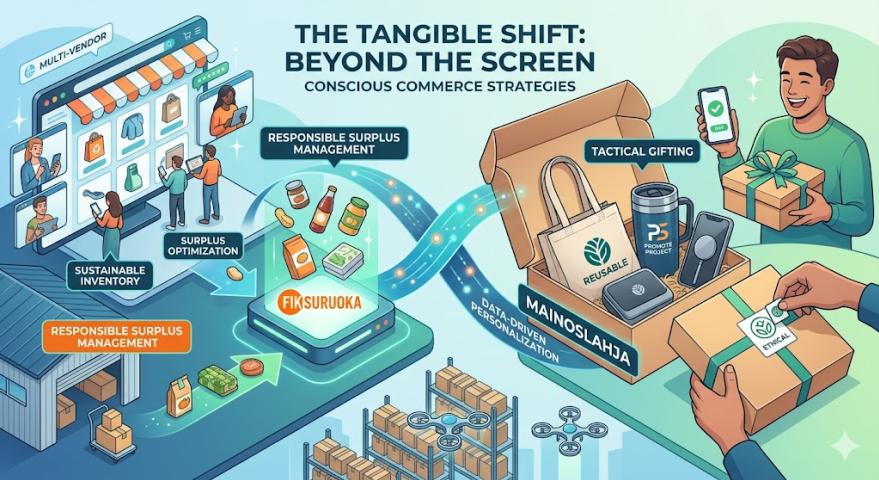

E-commerce app development has become a necessity as consumers increasingly rely on mobile devices for shopping. Statistics show that over 70% of online retail traffic comes from mobile platforms, yet many businesses fail to provide a seamless and responsive experience. Traditional websites or poorly optimized apps can frustrate users with slow load times, difficult navigation, and limited payment options. This leads to abandoned carts, low repeat purchases, and a decline in customer loyalty. Businesses need a digital platform that not only showcases products but also delivers a smooth, reliable, and secure shopping experience.
Agitate:
The absence of an effective app can cause significant revenue loss. Research indicates that over 50% of users abandon an app if it takes longer than three seconds to load or if the checkout process is cumbersome. Generic platforms often fail to offer personalized recommendations, real-time inventory updates, or multi-payment options, all of which are essential for improving engagement and conversions. Users expect intuitive interfaces, fast responses, and features like order tracking, push notifications, and loyalty programs. Without addressing these requirements, businesses risk losing their competitive edge in an increasingly mobile-first retail environment.
Solution:
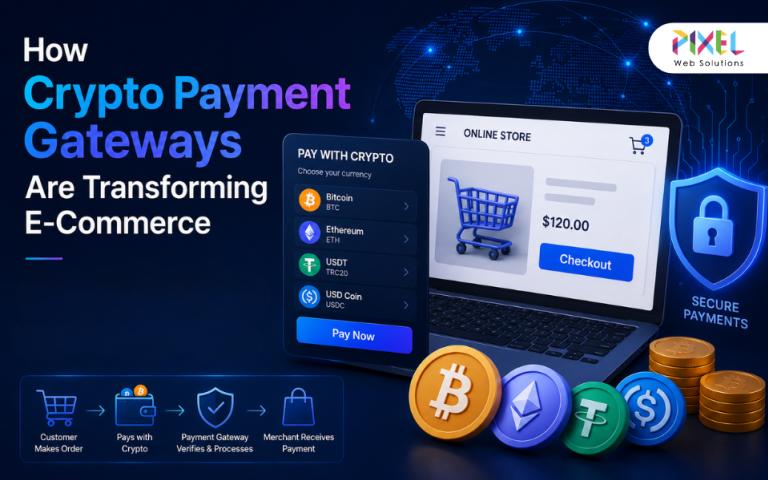
Implementing custom e-commerce app development helps businesses bridge this gap. A tailored app is designed to meet specific business goals while providing a frictionless user experience. Key features include responsive design, advanced search filters, personalized recommendations, secure payment integrations, and real-time analytics to monitor performance.
A custom-built app allows businesses to scale efficiently, manage inventory in real-time, and integrate seamlessly with third-party tools like logistics and CRM systems. For example, companies that implement analytics-driven personalization see up to a 25% increase in repeat purchases by targeting users with relevant products and promotions. Additionally, cross-platform compatibility ensures that the app works seamlessly across Android, iOS, and web platforms, maximizing reach and accessibility.
Security is also a critical component of e-commerce app development. Using encryption, secure APIs, and token-based authentication protects user data and builds trust. Continuous updates and performance monitoring further ensure the app remains reliable, user-friendly, and aligned with evolving consumer expectations.
Conclusion:
E-commerce app development is more than building an online store — it is about creating a comprehensive, reliable, and scalable digital shopping ecosystem. A custom e-commerce app not only improves user experience and conversion rates but also enhances customer retention and operational efficiency. By combining security, performance, and personalization, businesses can meet modern consumer expectations and establish a strong presence in the competitive digital marketplace.