
In today’s fast-paced digital world, cybersecurity risk has become one of the biggest concerns for individuals, businesses, and governments alike. With every advancement in technology, cybercriminals are finding new ways to exploit vulnerabilities. Understanding cybersecurity risk isn’t just about protecting your data—it’s about safeguarding the foundation of your digital presence, reputation, and trust.
What is Cybersecurity Risk?
Cybersecurity risk refers to the potential for loss, damage, or disruption to digital systems, data, or networks due to cyberattacks or security breaches. It arises from vulnerabilities in software, hardware, or human behavior that hackers can exploit to gain unauthorized access or cause harm.
For businesses, cybersecurity risk can lead to devastating outcomes such as data theft, financial loss, system downtime, and reputational damage. Even a small security flaw in a website or cloud service can become an entry point for cybercriminals.
Major Types of Cybersecurity Risks
Phishing Attacks:
These are deceptive messages or emails that trick users into revealing sensitive information such as passwords or credit card details.Malware and Ransomware:
Malicious software can infiltrate systems, steal data, or encrypt it for ransom. Ransomware attacks are increasing rapidly, targeting hospitals, educational institutions, and enterprises.Data Breaches:
Unauthorized access to private information can cause huge financial and legal repercussions. Sensitive data like customer details, trade secrets, or employee records can be exposed in minutes.Insider Threats:
Not all threats come from outside. Employees or contractors with access to internal systems can accidentally or intentionally cause harm.Cloud Security Risks:
As more organizations shift to cloud computing, the risk of misconfigured storage, weak access controls, and unsecured APIs has increased significantly.
How Businesses Can Mitigate Cybersecurity Risks
Implement Strong Authentication Measures:
Multi-factor authentication (MFA) is one of the simplest yet most effective ways to prevent unauthorized access.Regular Software Updates:
Outdated systems and applications often contain vulnerabilities that hackers exploit. Keeping all software up-to-date reduces exposure to attacks.Employee Awareness and Training:
Human error remains the weakest link in cybersecurity. Regular training helps employees recognize phishing attempts and suspicious online activities.Data Encryption:
Encrypting sensitive data—both in storage and during transmission—protects it from being accessed even if intercepted.Backup and Recovery Plans:
Having a robust data backup strategy ensures business continuity in case of ransomware or system failure.
Cybersecurity Risk in the Context of Digital Transformation
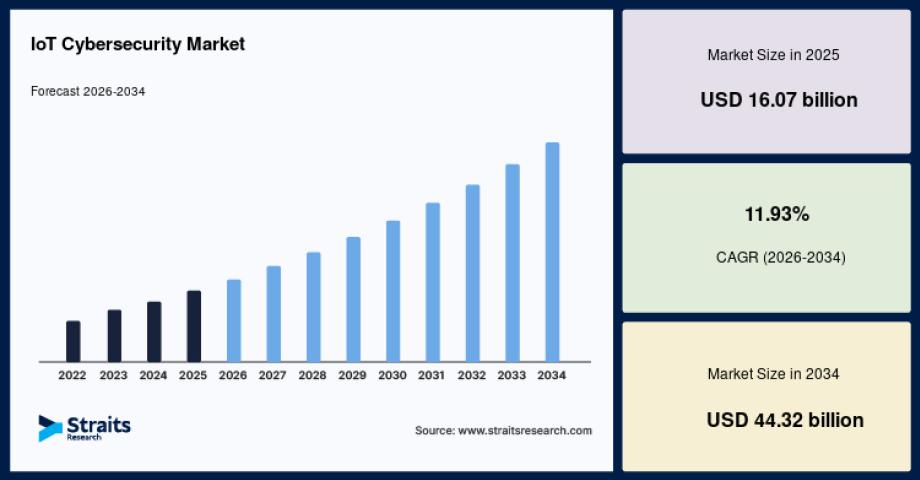
As organizations embrace digital transformation, they are integrating technologies such as AI, IoT, and cloud computing into their workflows. However, these technologies also expand the attack surface. IoT devices, for example, often lack proper security updates, making them easy targets.
The rapid growth of online platforms has also made cybersecurity a critical aspect of web development. Developers now need to incorporate security measures at every stage—from coding to deployment—to prevent vulnerabilities like SQL injection, cross-site scripting (XSS), and DDoS attacks.
Interestingly, a recurring question in the tech community is “is web development dying?” The answer is no—if anything, web development is evolving. As cybersecurity risks increase, secure web development is more crucial than ever. Websites and applications today require not just creativity and functionality, but strong security frameworks to protect users and businesses from potential breaches. Thus, cybersecurity has breathed new life into web development, pushing developers to adopt advanced security practices, modern frameworks, and encryption protocols.
The Economic Impact of Cybersecurity Risk
The financial cost of cyberattacks continues to rise. According to industry reports, global cybercrime damages are projected to exceed $10 trillion annually by 2025. Small and medium-sized businesses (SMBs) are particularly vulnerable, as they often lack dedicated security teams or adequate budget for advanced protection systems.
For consumers, cyber risks translate into identity theft, financial fraud, and privacy violations. For enterprises, it can lead to regulatory penalties and loss of customer trust. Governments, too, face cybersecurity challenges that threaten national security and critical infrastructure.
The Future of Cybersecurity Risk Management
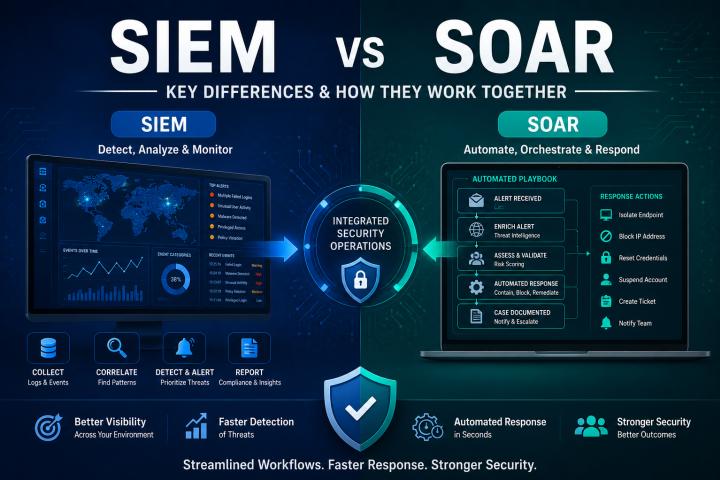
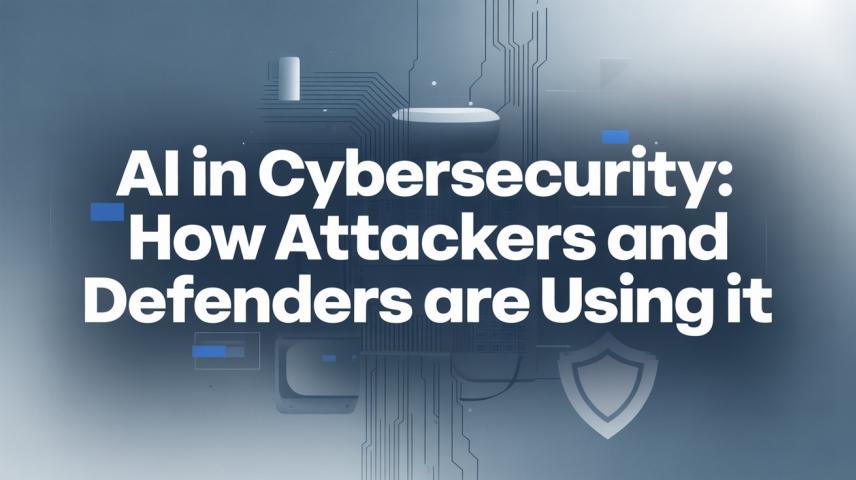
In the coming years, cybersecurity will become increasingly intertwined with artificial intelligence, automation, and predictive analytics. AI-powered threat detection can identify anomalies faster than humans, helping organizations prevent attacks in real time.
Moreover, zero-trust architecture—a security model where no user or system is automatically trusted—will become the new standard. Businesses will focus on verifying every access attempt, whether it originates internally or externally.
Conclusion
Cybersecurity risk is not a problem of the future—it is a pressing challenge of today. As digital systems become more interconnected, the consequences of neglecting cybersecurity grow exponentially. Whether you are a startup owner, a software engineer, or a large enterprise executive, taking proactive steps to secure your data and systems is no longer optional—it’s essential.
And as for those wondering “is web development dying,” the reality is quite the opposite. The field is adapting, integrating cybersecurity best practices to build safer, smarter, and more resilient digital environments. In this era of constant cyber threats, web development and cybersecurity are not separate domains—they are partners shaping the secure digital world of tomorrow.