Material handling equipment plays a pivotal role in industries such as warehousing, logistics, and manufacturing. Among these tools, forklifts are indispensable for lifting, moving, and stacking heavy loads. However, not all forklifts are created equal. The terms "stand-up forklift" and "forklift" are often used interchangeably, but they refer to distinct types of machinery with unique designs, functions, and applications. Understanding their differences is crucial for businesses aiming to optimize efficiency, safety, and cost-effectiveness. This article explores the nuances between these two vehicles, helping readers make informed decisions.
What Is a Stand-Up Forklift?
A stand up forklift, also known as a stand-on forklift, is a compact, operator-centric vehicle designed for rapid movement and maneuverability in tight spaces. Unlike traditional sit-down models, the operator stands on a platform with adjustable controls, allowing quick entry and exit. This design prioritizes agility, making it ideal for high-speed operations in narrow aisles, such as those found in warehouses or distribution centers.
Key features of a stand-up forklift include:
Ergonomic Design: The standing position reduces fatigue during short-duration tasks and enables faster transitions between operations.
Compact Size: Smaller footprints allow navigation in confined areas where larger forklifts cannot operate.
Enhanced Visibility: The upright stance provides operators with a clearer view of surroundings, improving safety.
Quick Direction Changes: Many models offer 360-degree steering, enabling sharp turns without repositioning.
Stand-up forklifts are commonly used in e-commerce fulfillment centers, retail stockrooms, and cold storage facilities, where speed and precision are paramount.
What Is a Forklift?
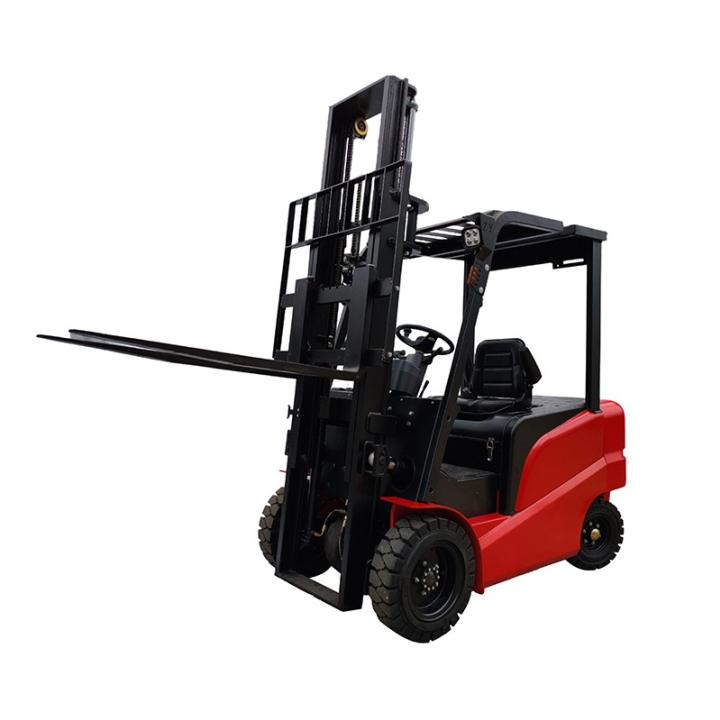
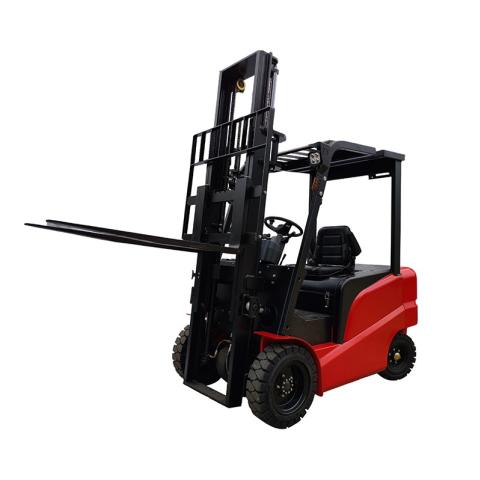
The term "forklift" broadly refers to any industrial truck equipped with forks for lifting and transporting materials. This category encompasses various subtypes, including sit-down riders, reach trucks, and pallet jacks. The most traditional form is the sit-down forklift, where operators sit in a cabin and control the machine via a steering wheel and pedals.
Key characteristics of a forklift include:
Stability and Power: Sit-down models often have higher weight capacities and are suited for heavy-duty tasks.
Comfort for Long Shifts: Cushioned seats and climate control make them ideal for prolonged use.
Versatility: Different attachments (e.g., clamps, rotators) can be added to handle diverse loads.
Outdoor Use: Some forklifts are designed for rough terrain, featuring rugged tires and elevated clearance.
Forklifts are indispensable in construction sites, ports, and large manufacturing plants, where lifting capacity and durability are critical.
Key Differences Between Stand-Up Forklifts and Forklifts
Operator Position:
Stand-up forklifts require operators to stand, promoting quick access to loads.
Traditional forklifts offer seated positions, enhancing comfort during extended shifts.
Maneuverability:
Stand-up models excel in tight spaces due to their compact size and agile steering.
Sit-down forklifts are bulkier but provide greater stability for heavy loads.
Application:
Stand-up forklifts are preferred for rapid, repetitive tasks in confined areas.
Traditional forklifts are better suited for outdoor use or lifting oversized materials.
Cost and Maintenance:
Stand-up forklifts are generally less expensive and easier to maintain.
Sit-down forklifts may incur higher costs due to their complex hydraulic systems.
Which Is More Worth Choosing?
The choice between a stand-up forklift and a traditional forklift depends on specific operational needs. For high-volume warehouses with narrow aisles, a stand-up forklift offers unmatched efficiency. Its ability to reduce cycle times and operator fatigue can significantly boost productivity. Conversely, industries requiring heavy lifting or outdoor operations may find traditional forklifts more practical.
Budget constraints also play a role. Stand-up forklifts are cost-effective for small-to-medium businesses, while larger enterprises might invest in versatile sit-down models. Ultimately, evaluating workload, space, and safety requirements is essential.
Safety Considerations for Stand-Up Forklifts
While stand-up forklifts enhance efficiency, they demand strict adherence to safety protocols:
Operator Training: Ensure personnel are trained in balance control and emergency stops.
Load Capacity: Never exceed weight limits to prevent tipping.
Surface Conditions: Avoid uneven floors, as stand-up models have a higher center of gravity.
Visibility: Use mirrors or cameras to monitor blind spots.
Proper Attire: Operators should wear non-slip shoes and secure loose clothing.
Regular maintenance checks, including brake inspections and tire rotations, are also vital to prevent accidents.
Conclusion
The distinction between a stand-up forklift and a traditional forklift lies in their design, functionality, and suitability for specific environments. Stand-up forklifts shine in fast-paced, space-constrained settings, offering agility and cost efficiency. Traditional forklifts, meanwhile, provide stability and power for heavy-duty tasks. Businesses must weigh their operational priorities—whether speed, comfort, or load capacity matters most—to select the right equipment.
By understanding these differences, organizations can optimize their material handling processes, ensuring safety, productivity, and return on investment. Whether choosing a stand-up forklift for its nimbleness or a traditional forklift for its robustness, the key lies in aligning the tool with the task at hand.