Every industrial site in Sydney relies on one thing above all else—power that never quits. When you’re running a manufacturing line, logistics hub, or large facility, you can’t afford electrical issues. The systems behind the scenes have to be built tough, wired right, and maintained by someone who knows what they’re doing.
That’s what this trade is all about. I’ve spent years around heavy equipment, high-voltage systems, and production environments. What I’ve learned is simple: nothing moves without electricity, and nothing stays safe without the right people managing it.
What Sets Industrial Electrical Work Apart
People outside the trade don’t always understand how different this work is from residential or commercial jobs. Industrial electrical work deals with larger systems—higher voltages, bigger switchboards, and machines that can cost hundreds of thousands of dollars.
You’re not just fixing lights or sockets. You’re managing power distribution across entire buildings, running automated machinery, installing backup generators, and keeping the operation online around the clock.
Precision is everything. A single misstep can shut down production or damage expensive equipment. It’s a field that doesn’t tolerate guessing—you’ve got to know your systems inside and out.
The Expertise Behind Industrial Power
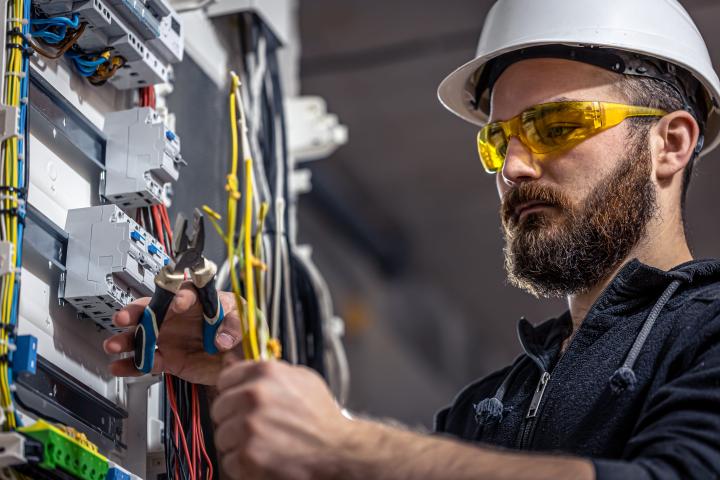
A true Industrial Electrician Sydney has a combination of skill, technical understanding, and focus that only comes from years on the tools. It’s one thing to follow a wiring diagram—it’s another to understand how that system interacts with mechanical and automated components across a live factory floor.
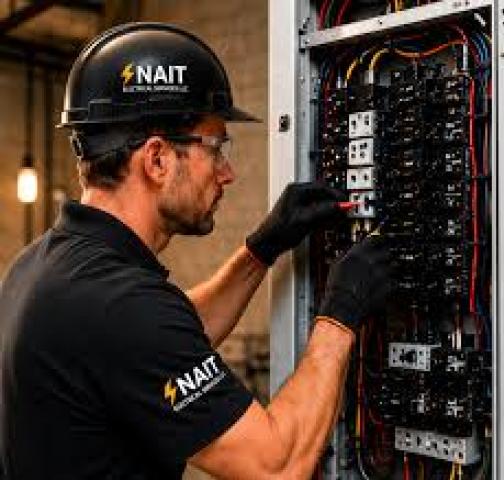
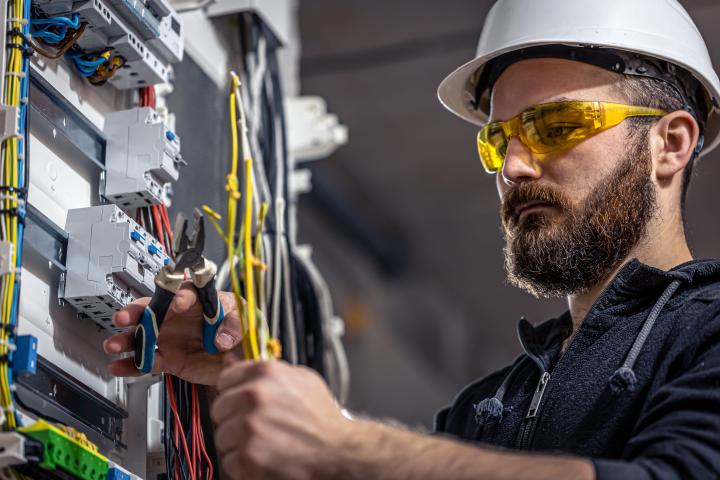
These electricians deal with PLCs, control panels, and industrial-grade switchgear daily. They perform testing, commissioning, and troubleshooting under pressure—often when the client’s business is losing money every minute the power’s down.
It’s a mix of brains and grit. You’ve got to think fast, stay calm, and always put safety first.
Safety Above Everything
Every job I’ve done starts and ends with safety. In this trade, that’s non-negotiable. You’re working around high-voltage circuits and heavy machinery—mistakes aren’t just costly; they’re dangerous.
Before a single tool comes out of the van, we isolate systems, test voltages, and verify every connection. Whether we’re upgrading switchboards or installing new control panels, the approach is the same: do it once, do it right, and leave the site safer than it was before.
That’s how professionals operate. There’s no “good enough” when people’s lives are on the line.
Powering Sydney’s Industrial Sector
Sydney’s industrial landscape is expanding fast. You’ve got construction, logistics, manufacturing, and processing plants all demanding reliable energy infrastructure. With that comes more complex systems, higher energy loads, and tighter safety regulations.
It’s not a job for general electricians—it’s a specialist field that requires deep experience and constant learning. The difference shows when problems hit. A well-trained industrial electrician doesn’t just fix the issue; they find the root cause and make sure it doesn’t happen again.
This is why more Sydney businesses are investing in dedicated electrical partners—people who can grow with them and understand how their systems evolve.
The Changing Face of Industrial Power
Technology is rewriting how we manage electrical systems. We’re seeing smarter control systems, automated fault detection, and integrated energy monitoring. Modern sites want efficiency—less downtime, lower energy costs, and safer operation.
For electricians, this means constant upskilling. You can’t stay stuck in the past. What worked 10 years ago won’t cut it now. The new wave of electrical infrastructure demands adaptability.
That’s what separates the tradesmen who last from those who burn out. The future belongs to those willing to keep learning and push beyond the basics.
Why Businesses Rely on the Pros
When something goes wrong in an industrial setting, you can’t call just anyone. It takes someone who understands large systems and has the experience to isolate issues quickly.
Downtime costs money—sometimes thousands of dollars per hour. That’s why businesses across Sydney keep seasoned electricians on call. They know the work’s done right, safely, and up to code.
You don’t want patch jobs or short-term fixes. You want long-term reliability. That’s what keeps your operations running smoothly.
For a detailed breakdown of what this role covers and how it supports industrial operations, read this guide on Industrial electrician in Sydney—it dives deeper into the skills, standards, and responsibilities that define the profession.
The Importance of Maintenance and Prevention
The smartest businesses don’t wait for something to fail—they invest in preventative maintenance. Regular inspections, testing, and thermal imaging can catch problems long before they turn into shutdowns.
Too many times I’ve seen companies lose entire production days over something that could’ve been avoided. That’s the difference between a reactive mindset and a proactive one.
An experienced electrician doesn’t just repair; they predict. They know what to look for and when to step in before the situation escalates.
Working With the Right Mindset
This trade isn’t about shortcuts. It’s about integrity. Every wire, every connection, every terminal tells a story of how seriously someone takes their work.
I’ve seen blokes rush jobs, trying to squeeze in one more project before the end of the week. That’s not how we do it. The right way takes time, and the result is worth it. A clean, reliable system that doesn’t just meet standards—but sets them.
That’s the standard we hold at Industrial electrician in Sydney — honest work, technical precision, and zero compromise.
The Future of Industrial Electrical Work in Sydney
Sydney’s demand for qualified electricians will only grow as industries expand and technology evolves. Automation, renewable integration, and smarter energy management are reshaping the field.
The next generation of electricians won’t just be tool users—they’ll be system thinkers, blending hands-on skill with digital expertise. The job’s changing, but one thing remains: the need for those who care about the craft.
No matter how advanced the tools become, the core stays the same—respect the power, respect the trade, and never cut corners.