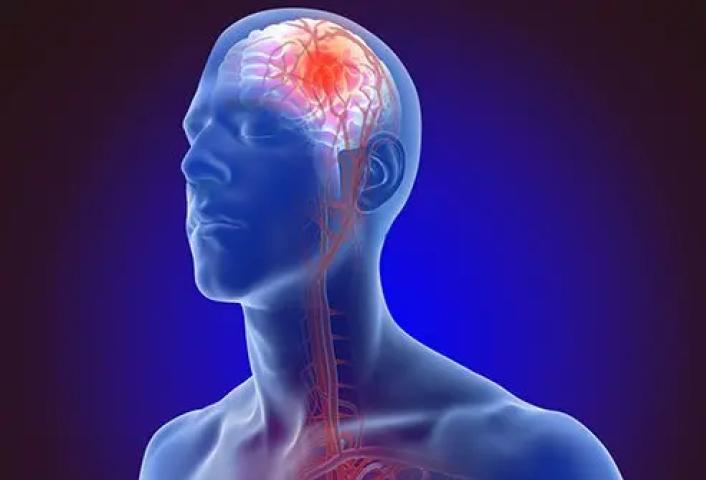

Brain-eating amoeba (most commonly Naegleria fowleri) is a rare, deadly organism that can cause a severe brain infection known as primary amoebic meningoencephalitis (PAM). Although extremely uncommon, awareness is crucial because the disease advances rapidly and has a very high fatality rate.
For patients seeking neurological care, Kailash Hospital offers expert evaluation under its neurology/neurosurgery services (see e.g., the neurologist in Noida or neurosurgery services) for suspected brain infections.
In this article, we will explain:
- How brain-eating amoeba infections spread
- Key warning signs and symptoms
- Diagnosis and treatment options
- Prevention strategies
- Why Kailash Hospital is a suitable choice for care
What Is Brain-Eating Amoeba (Naegleria fowleri)?
- Naegleria fowleri is a free-living amoeba found in warm, freshwater bodies (lakes, hot springs, poorly maintained pools) and sometimes in soil.
- It does not infect people by drinking contaminated water; instead, it gains access through the nasal passages when contaminated water enters the nose (e.g., during swimming, diving, or unhygienic nasal rinsing).
- Once inside, the amoeba travels through the cribriform plate into the brain, where it causes rapid tissue destruction, inflammation, and swelling.
- The disease progression is fast. Symptoms often begin 2 to 15 days after exposure.
Because of its rarity, many clinicians may not immediately suspect it, which often delays diagnosis and treatment.
How It Spreads / Modes of Exposure
Here are the primary routes through which brain-eating amoeba infections occur:
- Swimming or diving in warm freshwater (lakes, rivers, ponds) where the amoeba is present
- Unchlorinated or poorly maintained pools or spas
- Use of untreated tap water or contaminated water for nasal irrigation, neti pots, or sinus rinsing (if the water is not sterile or boiled)
- Splashing contaminated water into the nasal cavity during bathing or water sports
It’s important to emphasize: you do not contract the infection through swallowing water or from contact with a person who has it.
Warning Signs & Symptoms
Because the disease mimics bacterial meningitis initially, recognizing early warning signs is critical:
- Suddenly, a severe headache
- High fever
- Nausea and vomiting
- Stiff neck and neck pain
- Sensitivity to light (photophobia)
- Confusion, altered mental status
- Seizures, hallucinations, or coma in advanced stages
- Rapid deterioration over a few days
Because of how quickly PAM progresses, by the time more severe neurological symptoms present, treatment becomes extremely challenging.
Diagnosis & Testing
Early diagnosis is a major challenge, but it is essential to improving chances:
- Lumbar puncture (spinal tap): Examination of cerebrospinal fluid (CSF) may reveal amoebae under microscopy or via specialized staining.
- Brain imaging (MRI or CT) may show swelling or lesions, but it is not specific.
- Biopsy or brain tissue examination is rarely done, but it may confirm the presence of amoeba in tissue.
- Molecular testing (PCR, sequencing) for Naegleria fowleri DNA is used in specialized labs.
Because many hospitals may not routinely test for amoebae, specialist centers with neurological/neurosurgical support (like Kailash Hospital’s services) are better suited to handle suspected cases.
Treatment Options
Treatment is extremely aggressive and often empirical. The prognosis remains grim despite therapy, but early intervention offers the best chance.
Some of the treatment strategies include:
- Amphotericin B (intravenous or intrathecal): The long-established antifungal agent used in many reported cases.
- Miltefosine: An antiparasitic drug used off-label, sometimes combined with other drugs, in newer protocols. In recent outbreaks (e.g., Kerala), miltefosine has been used early as part of combination therapy.
- Adjunct therapies: Fluconazole, rifampin, and other broad-spectrum antimicrobials have been part of multi-drug regimens.
- Intensive supportive care, including management of intracranial pressure (ICP), brain edema (e.g, reducing swelling), controlling seizures, and maintaining vital functions in ICU settings
Despite aggressive therapy, global survival rates are extremely low (often > 97% fatality).
However, in some recent settings like Kerala, more aggressive protocols and early detection have yielded modest improvements in survival.
Emerging research explores nanoparticle-based therapies and novel drug combinations targeting Naegleria fowleri in experimental settings.
Prevention Strategies
Because treatment success is limited, prevention is key. Here’s what individuals and public health must do:
- Avoid swimming or diving in warm freshwater with uncertain hygiene
- Use nose clips or hold the nose shut during water exposure
- Do not use tap water for nasal irrigation (neti pots) unless it is sterilized or boiled first
- Use distilled, sterile, or properly filtered water for any nasal rinsing
- Ensure filled swimming pools and spas are well chlorinated and maintained
- Monitor water sources, test regularly, and enforce sanitation
Public awareness campaigns and rapid response systems are critical to reduce risk in at-risk communities.
Why Choose Kailash Hospital for Suspected Cases?
When facing a highly aggressive and rare neurological infection, choosing a hospital with the right infrastructure and expertise matters. Kailash Hospital offers:
- Access to specialist neurologists and neurosurgeons who handle complex central nervous system infections via the neurologist in noida
- Advanced ICU and neurological monitoring facilities for managing brain swelling, intracranial pressure, and supportive care
- Capability for specialized laboratory diagnostics, including CSF analysis, molecular testing, and tissue pathological studies
- A multidisciplinary team approach—neurology, neurosurgery, infectious disease, critical care—ensuring coordinated, rapid response
- Familiarity with rare CNS infections, protocol-based management, and access to experimental or advanced therapies
If someone presents with headache, fever, stiff neck following freshwater exposure, or suspicious symptoms, timely referral to a neurological center like Kailash Hospital can be lifesaving.
Final Words
Brain-eating amoeba infections, though extremely rare, pose a grave threat because of their rapid progression and high fatality. Understanding how the infection spreads, recognizing early warning signs, and seeking prompt treatment at specialized hospitals such as Kailash Hospital (neurology/neurosurgery services) can offer the best hope in such emergencies.
While prevention is paramount, having a trusted neurological center ready to act, with the infrastructure and experience to manage such cases, makes a critical difference.
If you or someone you know experiences severe headache, fever, vomiting, or neurological changes after freshwater exposure, don’t delay—consult experts promptly at Kailash Hospital’s neurology/neurosurgery teams for evaluation and care.