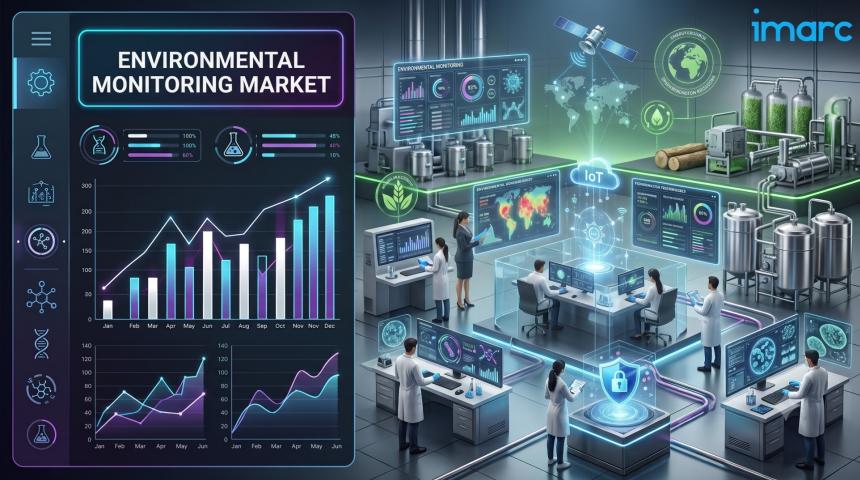
IMARC Group, a leading global market research and management consulting firm, has published its latest market intelligence report on the environmental monitoring market. The global environmental monitoring market size reached..
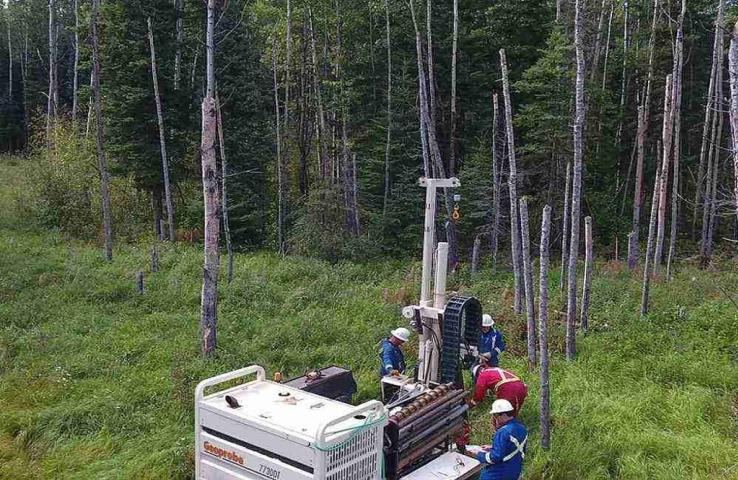
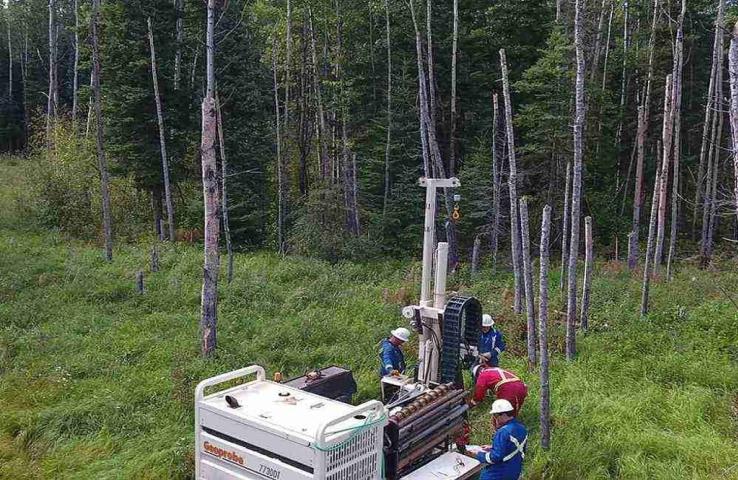
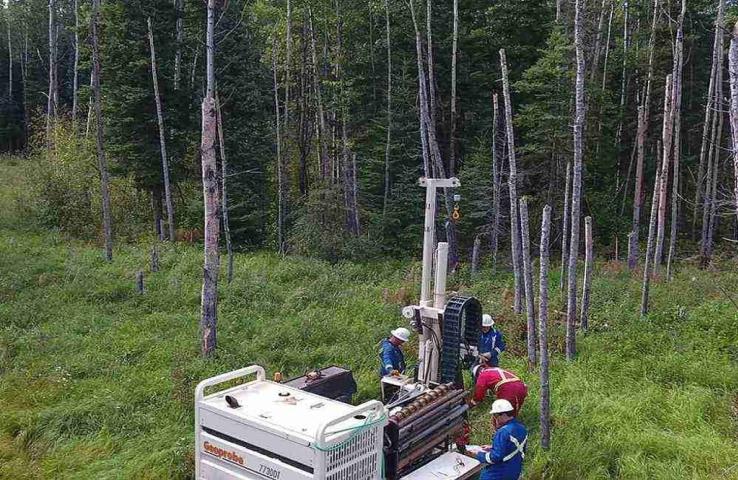
Development in Vancouver takes place within a complex urban and natural environment where land use, infrastructure, ecosystems, and community needs often intersect. Projects may need to account for conditions such..
Environmental considerations can influence how land is planned, developed, and managed across British Columbia. Before construction or redevelopment begins, property owners and developers may need to understand conditions such as..
Environmental considerations can influence the cost, schedule, design, and feasibility of property development projects. Conditions such as contaminated soil, sensitive habitats, wetlands, watercourses, or previous industrial uses may create challenges..
As cities continue to grow, development projects must balance economic progress with responsible environmental management. In a rapidly expanding urban region like Vancouver, thoughtful planning helps ensure that new developments..
Redeveloping previously used land presents valuable opportunities for community growth, but it also requires a thorough understanding of existing environmental conditions. Brownfield sites may contain historical industrial or commercial activities..
Selecting the right site is one of the most important decisions in any development project. While location, accessibility, and zoning often receive significant attention, environmental conditions can also influence a..
Redevelopment projects play an important role in helping communities adapt to changing needs and make better use of existing land. Whether a project involves updating an older commercial property, repurposing..
Development and infrastructure projects often involve a wide range of environmental considerations that can influence planning, approvals, construction, and long term operations. Understanding these factors early and managing them effectively..
Successful development projects require careful planning that extends beyond immediate construction goals. Developers, property owners, and planners must consider how a project may interact with its surrounding environment both now..
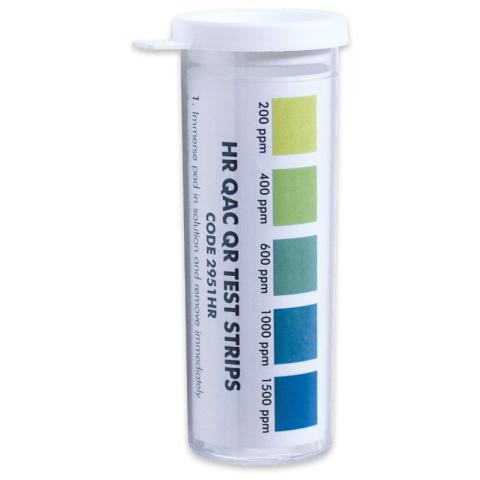
Caresource Global is an authorized distributor of High Range QAC Test Papers in Al Qusais and Emirates Industrial City (Sharjah). These test papers are designed for the rapid measurement of..
Across the Middle East, utilities and EPC contractors are rethinking where their high-voltage test equipment comes from. For decades, procurement teams defaulted to established Western and Japanese brands almost by..
Caresource Global is a trusted supplier of QAC Test Strips in Al Qusais and Emirates Industrial City (Sharjah). These test strips are designed to accurately measure quaternary ammonium compound (QAC)..
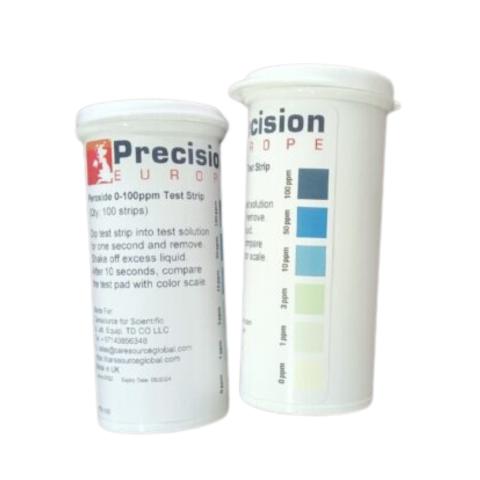
Caresource Global is an authorized distributor of Low Level Peroxide Test Strips in Al Qusais and Emirates Industrial City (Sharjah). These analysis strips provide a simple and accurate method for..
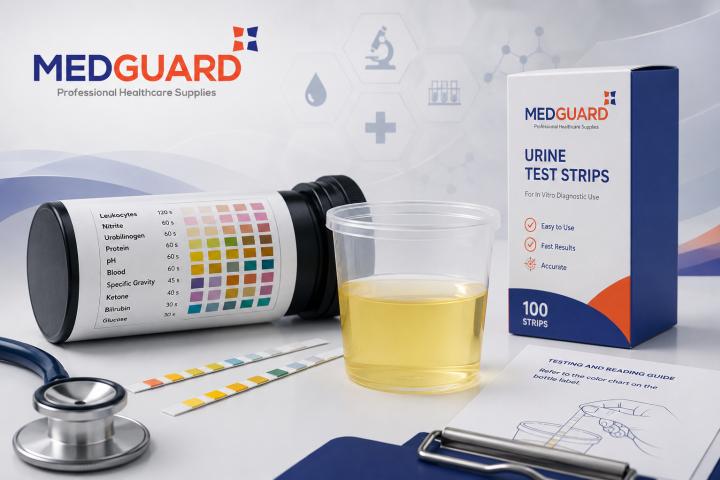
Urine testing is a routine part of many healthcare assessments. From checking for possible urinary tract infections (UTIs) to identifying changes in substances such as protein, glucose or blood, a..
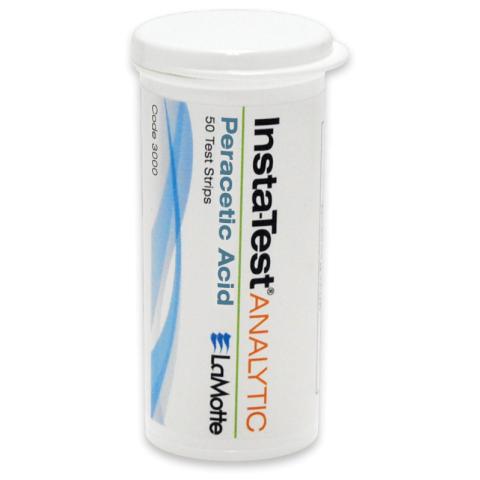
Caresource Global is an authorized distributor of Peracetic Acid 0–2000 ppm Test Strips in Al Qusais and Emirates Industrial City (Sharjah). These test strips are designed for the rapid and..
I Turned a Few Tests I Like Into a WebsiteLately, I've been working on a small website built around simple online tests.There wasn't much of a plan in the beginning...
I have been building PickTests one small browser test at a time.The project currently includes six tests: reaction time, aim training, sequence memory, number memory, multiple object tracking, and the..