Traffic management is a crucial aspect of modern road safety, especially in areas where roadwork, construction, or maintenance is ongoing. Ensuring the safety of both workers and drivers requires a combination of strategic planning, technology, proper signage, and public awareness. When traffic is not effectively managed, the consequences can be severe, ranging from serious injuries to fatalities, as well as significant delays and economic losses. This article explores key strategies for managing traffic effectively to protect all road users.
The Importance of Traffic Management
Roadwork zones are inherently hazardous due to the combination of moving vehicles, heavy machinery, and workers performing complex tasks in close proximity. According to safety studies, construction and maintenance zones are among the most dangerous areas for workers, and improper traffic control increases the risk of accidents dramatically. For drivers, unexpected lane changes, detours, and sudden stops can lead to collisions, vehicle damage, and even fatal crashes. Effective traffic management mitigates these risks by providing a safe environment for both workers and motorists.
Planning and Assessment
Effective traffic management begins long before construction crews reach the site. Proper planning involves assessing traffic patterns, peak hours, and the types of vehicles that frequently use the road. Traffic engineers conduct detailed analyses to determine optimal lane closures, detour routes, and signage placement. Many municipalities hire a specialized traffic control company to provide expert guidance, equipment, and personnel for these assessments, ensuring safety standards are met efficiently. This planning phase also includes evaluating environmental factors such as weather, lighting conditions, and visibility, all of which can affect safety. By proactively addressing potential hazards, planners can develop strategies that reduce risk and minimize disruption.
Use of Clear Signage and Barriers
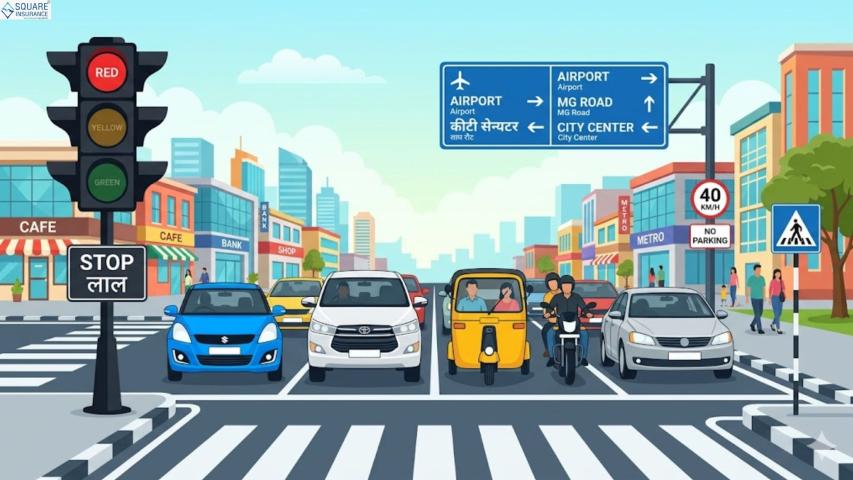
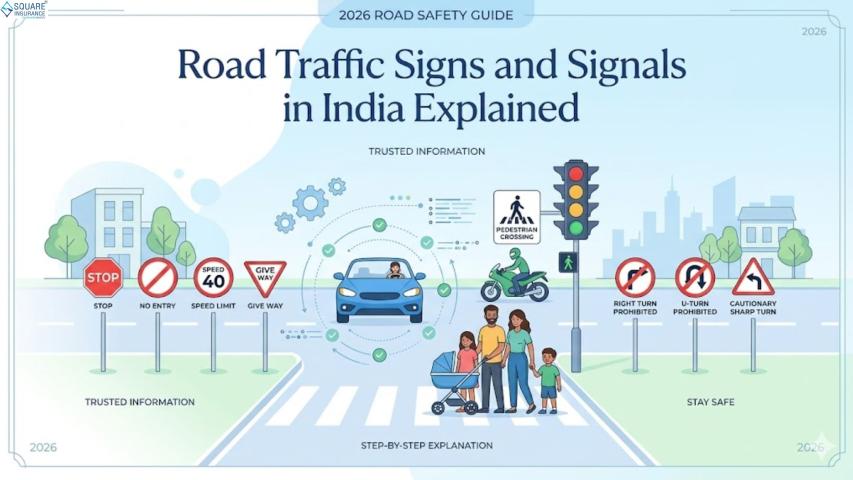
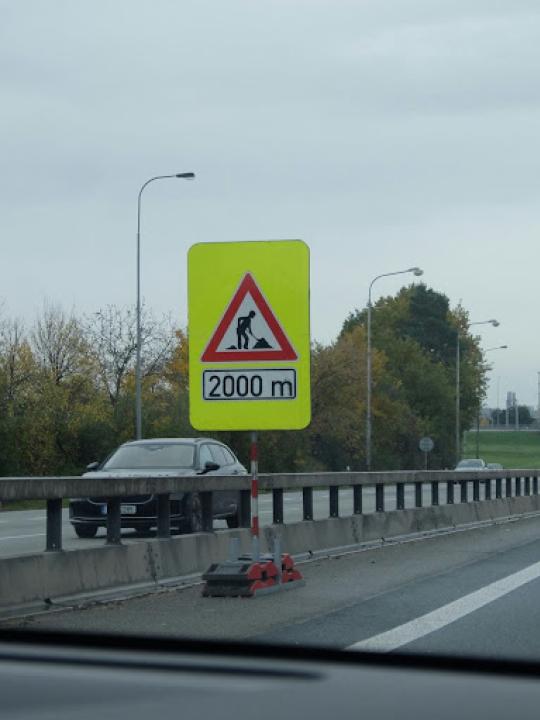
Clear, visible signage is essential for guiding drivers safely through work zones. Signs should provide advance warning of upcoming changes in traffic patterns, speed limits, and lane closures. Standardized signage helps drivers understand what actions to take, reducing confusion and abrupt maneuvers that often lead to accidents. Additionally, physical barriers such as cones, barrels, and temporary fencing protect workers by creating a buffer between them and moving traffic. Properly designed barriers can prevent vehicles from entering restricted areas while maintaining a smooth flow of traffic.
Technology in Traffic Management
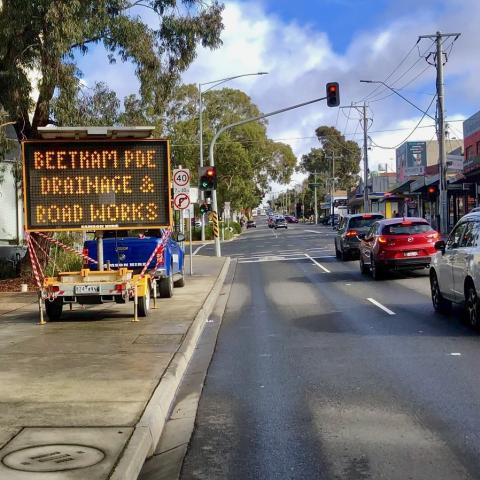
Modern technology has revolutionized traffic management. Electronic message boards, lane guidance systems, and real-time traffic monitoring can inform drivers about delays, accidents, and detours, allowing them to adjust their routes in advance. Some work zones now incorporate smart traffic signals that adapt to changing conditions, reducing congestion and lowering the likelihood of collisions. Drones and surveillance cameras can also be used to monitor work zones, ensuring that traffic control measures are functioning correctly and providing rapid response in case of emergencies.
Training and Communication
Even the best traffic management plan is ineffective without proper training and communication. Workers should receive comprehensive training on safety protocols, including how to navigate and control traffic within the work zone. Flaggers play a critical role in maintaining order, and they must be trained to communicate clearly with drivers using standardized hand signals and equipment. Equally important is public communication. Informing the community about upcoming roadwork through social media, local news outlets, and official websites helps drivers plan ahead and reduces frustration that can lead to risky behavior.
Speed Control and Enforcement
One of the leading causes of accidents in work zones is speeding. Reducing speed limits in these areas and enforcing them strictly is vital to protecting workers and other drivers. Police presence, speed cameras, and automated enforcement systems can deter dangerous driving behaviors. Additionally, maintaining consistent traffic flow through the work zone, rather than allowing erratic stops and starts, further reduces the risk of collisions.
Continuous Evaluation and Improvement
Traffic management is an ongoing process. Work zones and traffic conditions can change daily, requiring constant monitoring and adjustments. Regular evaluation of traffic patterns, accident reports, and worker feedback helps identify problem areas and improve strategies. Implementing lessons learned from previous projects ensures that safety measures are continually enhanced, providing long-term benefits for workers, drivers, and the overall efficiency of the transportation system.
Conclusion
Effective traffic management is not just about moving vehicles from point A to point B; it is a comprehensive approach to safeguarding human life and ensuring smooth operations in potentially hazardous environments. By combining thorough planning, clear signage, modern technology, proper training, speed control, and continuous evaluation, traffic managers can significantly reduce the risks faced by both workers and drivers. Protecting lives while maintaining efficient traffic flow requires diligence, coordination, and commitment from all stakeholders, ultimately creating safer roads for everyone.