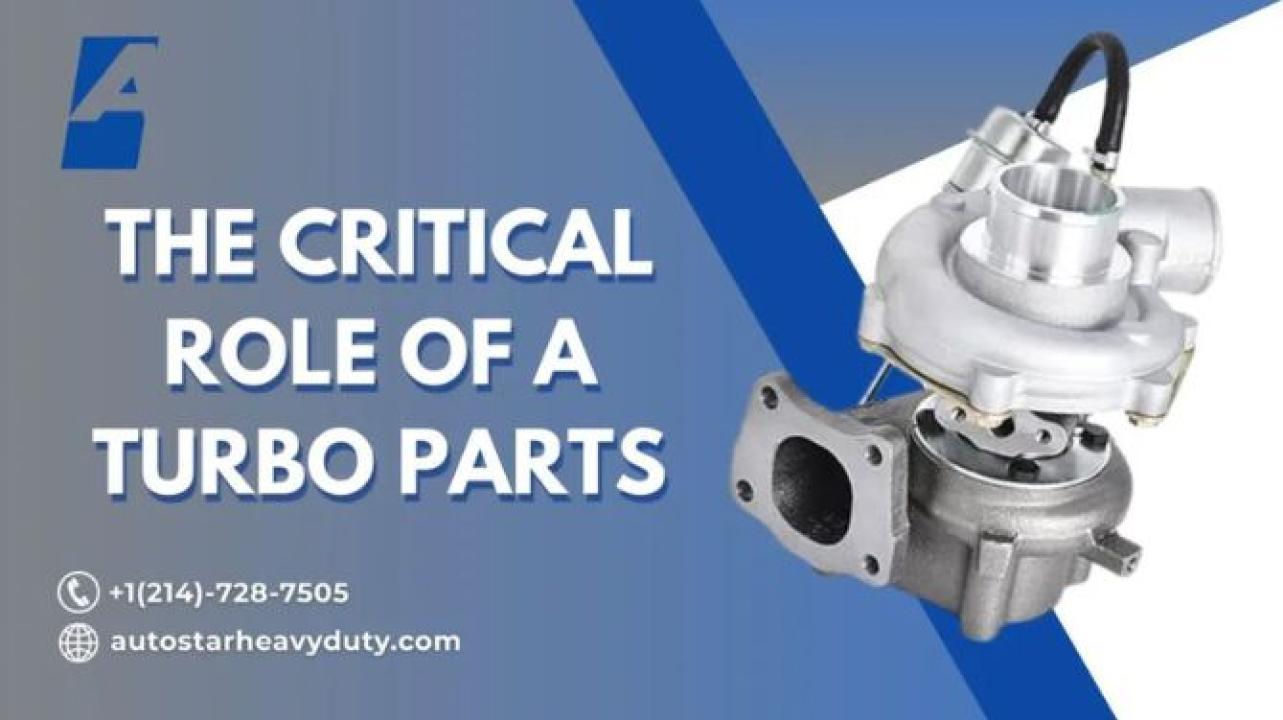
If your business runs on a heavy duty truck—whether it's a Cummins, Mack, Volvo, Paccar, or Detroit Diesel—you know that time lost to a repair is simply lost income. The Turbocharger is the heart of your power, but when it breaks, the cause is almost always tied to neglected maintenance or using cheap, worn-out Turbo Parts.
To prevent a sudden, costly engine failure, you need a clear, truthful understanding of how turbos break and a total commitment to a strict maintenance plan. The steps below are the non-negotiable actions you must take to protect your truck and keep it reliably earning across the US and Canada.
What Kills a Turbo: The Real Causes
1. The Oil System: Your Turbo's Lifeline
The number one thing that kills any turbo is oil that's dirty or too low. The core spins at unbelievable speeds, over 200,000 RPM, and its incredibly sensitive bearings rely completely on a constant, clean film of oil. If that oil flow is compromised, the turbo is destroyed instantly.
Engine Oil: Old, dirty, or the wrong type of oil causes friction that burns up the bearings. You must use the high-quality synthetic oil recommended by the engine maker and change the oil on a strict, conservative schedule.
Oil Filters: A clogged filter chokes the oil flow the turbo needs for cooling and lubrication. Always replace the oil filters every time you change the engine oil. Never try to push them past their service limit.
Oil Feed Lines: Lines that are bent, pinched, or blocked by hard carbon will completely starve the turbo of oil. Inspect the feed lines for kinks or sludge; if you find any restriction, that line must be replaced immediately when servicing the turbo.
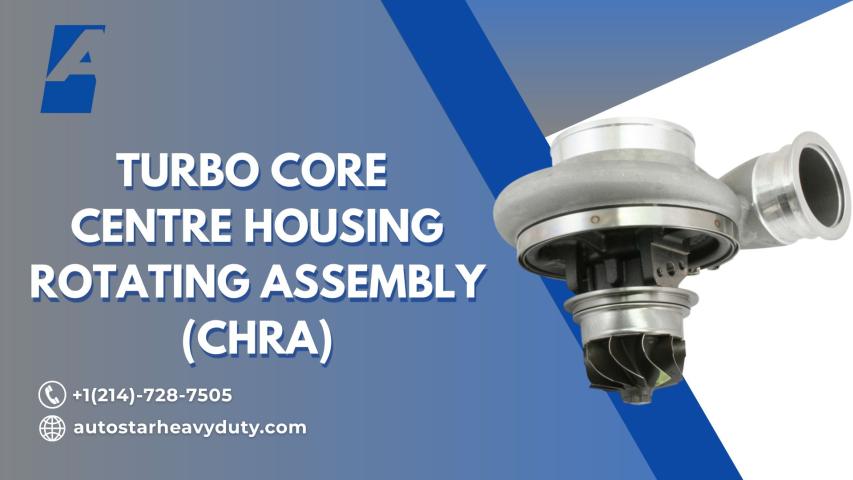
Bearings (CHRA Core): These fail from metal-on-metal rubbing, caused by oil shortage or contamination. Always pre-lube the new turbo before the first start-up to make sure the bearings get oil from the very first turn.
Crucial Advice: After a demanding haul, the turbo is extremely hot, and the oil inside can bake into carbon, which blocks the oil passages. Let the engine idle for 30–60 seconds after any heavy use to circulate cooler oil through the core and safely remove the heat before you shut it down.
2. Protecting the Wheels: Air and Exhaust Integrity
The compressor and turbine wheels are delicate and spin in extremely tight quarters. If any debris—even fine dust—gets past the filter or comes loose from the exhaust, it will smash the blades right away.
Air Filter: A ripped, dirty, or flimsy air filter lets contaminants enter, which damages the compressor wheel. You must check and replace the air filter regularly using only trusted, high-quality products.
Intake Hoses/Pipes: Loose clamps or old hoses that collapse under pressure can suck in road dust. Check all hose connections frequently to make sure the entire air intake system is perfectly sealed against foreign material.
Exhaust Manifold: Rust flakes, carbon buildup, or loose fasteners from the manifold can fly directly into the turbine wheel. Inspect the exhaust manifold for internal damage or debris before you put on a new turbo.
Compressor/Turbine Wheels: Damage here is caused by objects hitting the wheels (Foreign Object Damage). Clean all pipes and manifolds thoroughly to ensure no debris is left anywhere in the air path after maintenance.
3. Controlling Power and Heat (Housings and Controls)
Sustained high temperatures and engine imbalance put huge strain on the turbo’s seals, housing materials, and electronic controls, often causing warping or electronic failure.
VGT/Actuator: Carbon buildup causes the variable vanes to stick, or the electronic parts fail from heat. Use the engine brake regularly and avoid long idle times to keep the VGT vanes moving through their full range.
Gaskets & Seals: These fail due to extreme temperatures or if a bad bearing lets oil leak and burn. Always use new gaskets that meet the quality of the original equipment for a tight seal, and immediately figure out what is causing high exhaust gas temperature (EGT).
Turbo Housing: Cracking or warping happens because the engine ran too hot (high EGT), which is often caused by incorrect tuning. Make sure your engine tuning is safe and verified by a specialist, and never overwork the engine at low RPM with a heavy load.
Our Promise: Brand New Parts Only
You cannot afford to gamble on a component that works this hard. We absolutely refuse to sell repaired, rebuilt, or used parts because their lifespan is impossible to know. We only supply Brand new parts only because a part built to original factory standards is the only true way to guarantee maximum reliability.
We stand by your truck's durability with:
OEM Quality Turbochargers and Actuators that guarantee a perfect fit and reliable operation, especially for popular OEM Cummins applications.
Texas heavy duty specialists ready to provide expert fitment support to confirm your installation is flawless.
Total confidence backed by a full 12-month warranty.
Simple, straightforward purchasing with No core charges.
To keep your truck dependable, you must commit to these steps for all your turbo components. Protect your bottom line with the right parts and the correct maintenance plan.
Avoid getting stuck on the road and secure your replacement