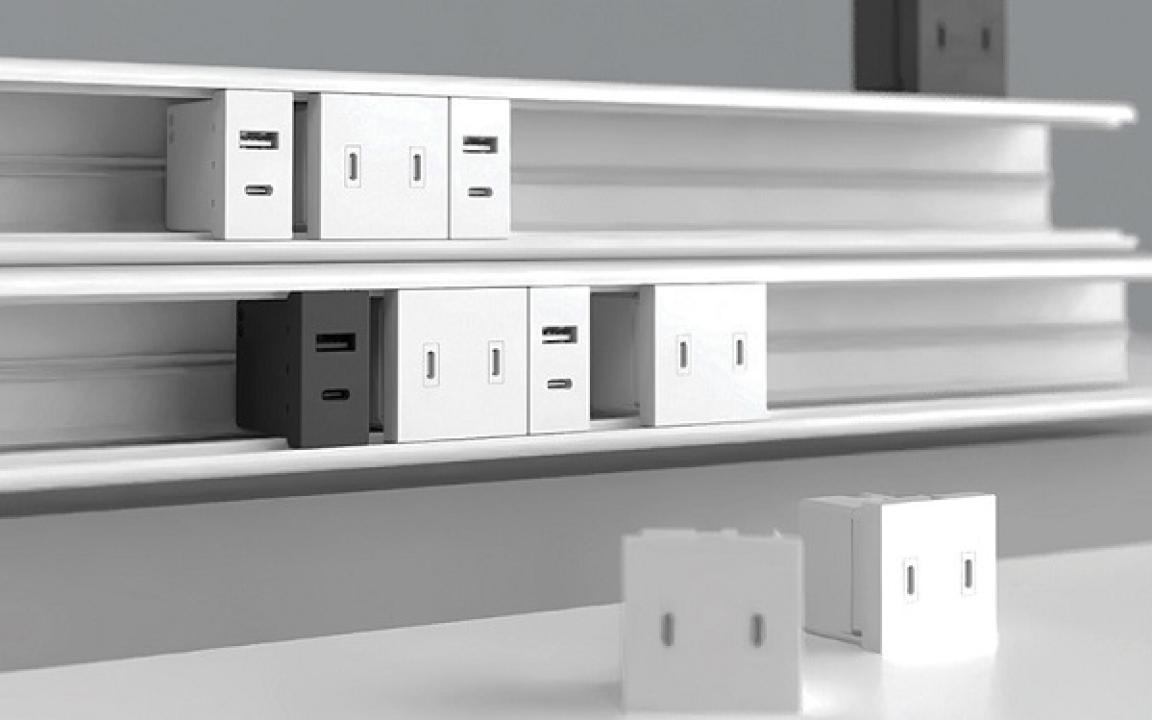
A euro module represents a standardized modular electrical and data connectivity system that allows flexible installation of sockets, switches, and communication ports. This versatile solution enables electricians and installers to create custom connectivity panels that meet specific requirements while maintaining a clean, professional appearance.
Industry professionals recognize several key advantages:
- Standardized dimensions ensure compatibility with mounting frames and faceplates from various manufacturers.
- Modular design allows easy upgrades and changes without replacing entire wall boxes.
- Mix-and-match capability lets users combine power, data, USB, and multimedia connections in one location.
- Tool-free installation reduces labor time and simplifies maintenance procedures.
- Professional appearance creates uniform, aesthetically pleasing connectivity solutions.
- Global adoption means parts availability and technical support worldwide.
The euro module system provides the foundation for modern electrical installations in residential, commercial, and industrial environments.
Key Takeaways
- Euro modules are standardized 50mm height components that fit into compatible mounting frames for custom connectivity solutions.
- They support diverse applications including power outlets, network connections, USB charging, and multimedia interfaces.
- The euro module rj45 configuration provides reliable Ethernet connectivity supporting Cat5e, Cat6, and Cat6a standards.
- USB euro module designs offer convenient wall-mounted charging and data transfer capabilities with intelligent power management.
- The modul 45 designation refers to 45x45mm mounting systems widely used in structured cabling installations.
- Standardization ensures global compatibility while allowing flexibility in configuration and future expansion.
- Proper installation requires attention to cable management, mounting depth, and separation between power and data lines.
- Quality materials and certifications guarantee safe, reliable performance over extended service life.
What Is a Euro Module?
Basic Design
A euro module consists of a standardized insert that fits into compatible mounting frames. Manufacturers design these modules with consistent dimensions, typically 50mm in height, allowing seamless integration regardless of brand. The width varies based on functionality, with single modules measuring approximately 22.5mm and double or triple widths available for components requiring more space. Each module features mounting clips or screws that secure it within the faceplate frame. The front face displays the connection interface, whether power sockets, data ports, or other connectors. The rear section houses termination points for incoming cables. This design separates the visible interface from the wiring infrastructure, creating clean installations.
Note: The 50mm standard height ensures vertical compatibility, while width variations accommodate different connector types and densities.
Component | Description |
Faceplate Frame | Outer housing that holds modules |
Module Insert | Removable component with specific function |
Mounting Clips | Spring-loaded fasteners for tool-free installation |
Cable Terminations | Rear connections for wire attachment |
Front Interface | User-facing connectors or controls |
Standard Height | 50mm across all euro module types |
Width Options | 22.5mm (single), 45mm (double), 67.5mm (triple) |
Module Categories
Euro modules span several functional categories. Power modules include standard electrical outlets in various international configurations. Data modules encompass RJ45 network connections, telephone jacks, and fiber optic interfaces. The usb euro module category addresses modern charging needs with Type-A, Type-C, or combination ports. Multimedia modules support HDMI, audio connectors, and coaxial connections. Control modules may include switches, dimmers, or smart home integration points. This diversity allows installers to create comprehensive connectivity solutions from standardized components.
Mounting Systems
The modules integrate with flush-mounted boxes recessed into walls or surface-mounted enclosures where recessing is impractical. Mounting frames come in configurations supporting one to six modules or more. The frame attaches to the electrical box, and modules snap or screw into position. Faceplates then cover the assembly, completing the installation. This layered approach separates structural mounting, functional components, and aesthetic finishing.
Tip: Always verify mounting box depth before installation, as some modules require more space than others for proper cable management.

Types and Applications
Power Connectivity
Power modules form the foundation of most installations. They accommodate standard outlets in multiple configurations including European Schuko, French Type E, UK BS 1363, and universal designs. Some modules include switches for circuit control, while others feature indicator lights showing power status. The standardized format allows mixing different outlet types in a single faceplate, useful in international environments or multi-purpose spaces.
- Standard power outlets for everyday devices
- Switched outlets for controlling specific equipment
- Weatherproof variants for outdoor or wet locations
- High-current versions for appliances requiring more power
Network Solutions
The euro module rj45 represents the most common data connectivity option. These modules support Cat5e, Cat6, and Cat6a specifications, with shielded variants available for environments with electromagnetic interference. Installation typically involves punch-down termination on the rear, with quality modules maintaining proper wire pair geometry to preserve signal integrity. Some designs feature tool-free termination systems that speed installation while ensuring consistent performance.
Position | Application | Cable Category |
Desktop | Computer connections | Cat6 or Cat6a |
Conference rooms | Network access points | Cat6a |
Industrial | Control systems | Cat6 shielded |
Residential | Internet service | Cat5e or Cat6 |
USB Integration
Modern installations increasingly incorporate usb euro module designs. These provide wall-mounted charging without requiring separate adapters. Standard configurations include dual USB-A ports, USB-C ports, or combinations. Advanced modules feature intelligent charging that detects connected devices and adjusts output accordingly. Power delivery ranges from 1A per port in basic models to 3A or higher in premium versions. Some modules support fast charging protocols for compatible smartphones and tablets.
Multimedia Connections
HDMI modules enable clean video signal routing through walls, eliminating visible cables in home theater and presentation installations. Audio modules support 3.5mm jacks for headphones or speakers, while RCA connections serve legacy audio equipment. Coaxial modules accommodate television and satellite services. Speaker wire terminals provide high-quality audio connections for distributed sound systems. This multimedia integration centralizes connectivity in single locations rather than scattering cables across surfaces.
Specialized Functions
Beyond standard connectivity, specialized modules serve specific needs. Blank modules fill unused positions while maintaining uniform appearance. Fiber optic modules support high-speed data transmission in enterprise environments. Industrial protocols like RS-485 or fieldbus connections integrate into the modular system. Temperature sensors, humidity monitors, or other building automation components may use the standard form factor for consistent installation.
Note: The modul 45 designation specifically refers to modules designed for 45x45mm mounting systems, commonly used in structured cabling installations throughout Europe and Asia.
Installation and Setup
Planning Requirements
Successful installations begin with thorough planning. Assess current connectivity needs and anticipate future requirements. Document the number and types of connections required at each location. Consider the physical layout to determine optimal mounting positions for user convenience and cable routing efficiency. Account for power distribution limitations and data network topology. Plan for adequate separation between power and data cables to minimize interference.
Mounting Box Selection
Choose mounting boxes with sufficient depth to accommodate the modules being installed. Standard electrical boxes may work for simple power modules, but data and USB modules often require deeper enclosures. Measure the module depth specifications and add clearance for cable bending radius. For multiple module installations, wider boxes prevent overcrowding. Boxes should include appropriate knockout positions for cable entry.
Tip: Select boxes 10-15mm deeper than the longest module to ensure proper cable management space behind the modules.
Frame Installation
Attach the mounting frame to the electrical box using the provided screws. Ensure the frame sits flush and level, as misalignment will affect module insertion and faceplate appearance. Most frames include adjustment provisions to compensate for slight variations in box positioning. Verify that cable entry points align with frame openings before final tightening.
Module Mounting
Install modules according to manufacturer instructions. Tool-free designs typically snap into position with spring clips, while others require small screws. Position modules in the desired arrangement within the frame. For installations mixing power and data, place power modules at opposite ends from sensitive data connections when possible. Ensure each module seats fully and sits parallel to the frame face.
Cable Termination
Terminate cables according to module specifications and local codes. Power modules require proper conductor stripping, insertion, and screw tightening. For euro module rj45 installations, maintain proper wire pair geometry and minimize untwisting. Follow T568A or T568B wiring standards consistently throughout the installation. Test connections before final assembly to avoid rework.
Testing and Verification
After installation, test each connection type. Verify power outlets with a socket tester checking correct wiring, grounding, and polarity. Test network connections with cable testers confirming continuity, proper pairing, and performance category compliance. Check USB ports with test loads or devices to confirm proper voltage and current delivery. HDMI and other multimedia connections should be tested with actual equipment to verify signal quality.
Technical Specifications
Dimensional Standards
Euro modules follow strict dimensional guidelines ensuring universal compatibility. The standard height of 50mm remains consistent across all types. Single-width modules measure 22.5mm, though exact specifications may vary slightly between manufacturers. Mounting frames accommodate these standardized dimensions, with spacing provisions ensuring proper fitment. Deeper modules requiring more rear clearance specify minimum mounting box depth requirements.
Specification | |||
Height | 50mm | 50mm | 50mm |
Width | ~22.5mm | ~45mm | ~67.5mm |
Depth Range | 30-60mm | 30-60mm | 30-60mm |
Frame Compatibility | All standard | All standard | All standard |
Electrical Ratings
Power modules carry specific voltage and current ratings matching their intended applications. European modules typically rate for 250V at 16A maximum, adhering to international safety standards for household and similar electrical accessories. Higher-rated versions exist for appliances requiring greater power. Multiple power modules in a single frame may require derating due to heat accumulation in confined spaces. Manufacturers specify maximum total current for multi-module installations.
Data Performance
Network modules specify supported categories and performance characteristics according to structured cabling standards. Cat6 modules support up to 250MHz bandwidth and 1Gbps transmission speeds. Cat6a modules extend this to 500MHz and 10Gbps capability. Shielded modules provide additional protection in electromagnetically noisy environments. Proper installation maintains these specifications, while poor termination degrades performance.
Note: Actual network performance depends on the entire cable run quality, not just the euro module connection point.
USB Power Specifications
USB euro module designs specify output current capabilities per port and total module output. Basic modules provide 1A per port at 5V. Advanced versions deliver 2.4A or 3A per port for fast charging. Intelligent charging circuits detect device requirements and adjust output automatically according to USB Power Delivery specifications. Total module output may limit simultaneous charging when multiple devices connect.
Selection Guidelines
Application Assessment
Begin selection by clearly defining the intended use. Residential applications typically prioritize aesthetics alongside functionality. Commercial installations often emphasize durability and standardization. Industrial environments require robust construction and possibly specialized connectors. Each setting presents different requirements for materials, ratings, and features.
Quality Considerations
Module quality varies significantly between manufacturers. Premium products use better materials, provide superior electrical contacts, and include enhanced features. Certifications like CE marking or UL listing indicate compliance with safety standards. Warranty coverage reflects manufacturer confidence in product durability. Reading specifications carefully reveals important differences in performance and longevity.
Compatibility Verification
Ensure selected modules, frames, and mounting boxes are compatible. While standardization exists, slight variations in dimensions or mounting methods can create fitment issues. Staying within a single manufacturer's product line often guarantees compatibility. When mixing brands, verify specifications match and consider test fitting before full-scale purchase.
Future-Proofing
Consider emerging technology requirements when selecting components. Higher-category network modules provide upgrade capacity as bandwidth needs increase. USB euro module designs with Type-C ports offer greater versatility for evolving device ecosystems. Oversizing mounting frames allows future module additions without requiring replacement.
Tip: Install one or two blank modules in each location to accommodate future expansion without needing to modify the installation.
Cost vs. Value
Balance initial cost against long-term value. Inexpensive modules may save money upfront but require earlier replacement or deliver poorer performance. Quality modules with proper certifications ensure safety and reliability. Consider total installation cost including labor, not just component prices. Modular systems that simplify future changes reduce long-term maintenance expenses.
Maintenance and Troubleshooting
Regular Inspection
Periodic visual inspection identifies potential problems before failures occur. Check for physical damage, discoloration indicating overheating, or loose connections. Dust accumulation in unused ports should be removed to maintain proper contact when devices connect. Verify that mounting screws remain tight and faceplates sit flush.
Performance Testing
Test network connections periodically using cable testers to confirm maintained performance standards. Power outlets should be checked for proper voltage, grounding, and polarity. USB ports can be validated with test equipment or calibrated loads confirming specified output. This proactive testing identifies degradation before complete failure.
Common Issues
Intermittent connections often result from improper cable termination or mechanical stress on wiring. Network performance problems may indicate damaged cables, contaminated connectors, or electromagnetic interference. Power modules showing signs of overheating require immediate investigation to prevent fire hazards. Loose modules can result from worn mounting clips or improper initial installation.
Problem | Likely Cause | Solution |
No network connection | Improper termination | Re-terminate following standards |
Intermittent power | Loose wire | Tighten termination screws |
USB not charging | Port damage | Replace module |
Overheating | Overload | Reduce connected load |
Component Replacement
The modular design simplifies replacement when failures occur. Individual modules can be removed and replaced without affecting adjacent components. This minimizes repair time and cost compared to integrated systems requiring complete unit replacement. Keep spare common modules in inventory for quick repairs.
Note: Always disconnect power before removing or installing modules to prevent electric shock and equipment damage.
Industry Trends
Smart Integration
Modern modules increasingly incorporate smart features including energy monitoring, remote control, and integration with building automation systems. These intelligent components provide usage data, enable scheduled operation, and support automated responses to occupancy or environmental conditions. Integration with wireless protocols allows control from smartphones or central management systems.
Enhanced Power Delivery
Advanced usb euro module designs now support power delivery exceeding 60W, sufficient for laptop charging. This capability eliminates separate charging adapters and reduces cable clutter. As device power requirements evolve, module capabilities continue advancing to meet these needs.
Higher Data Speeds
Network infrastructure demands continue increasing. Next-generation modules prepare for 25Gbps and 40Gbps transmission standards in commercial environments. Improved shielding and termination techniques enhance reliability in challenging electromagnetic environments. Fiber optic modules become more common as ultra-high-speed requirements emerge.
Sustainable Design
Manufacturers increasingly emphasize environmental responsibility through recyclable materials, reduced packaging, and energy-efficient manufacturing. Products designed for disassembly facilitate end-of-life recycling. This sustainability focus aligns with broader construction industry environmental goals.
Wireless Integration
Some installations now combine traditional wired connectivity with wireless access points integrated into euro module systems. These hybrid solutions provide flexibility while maintaining the reliability of wired connections for critical applications. Wireless charging modules represent another integration of wireless technology into the modular platform.
Conclusion
The euro module system delivers a mature, standardized approach to electrical and data connectivity that balances flexibility with reliability. The modular architecture accommodates diverse connection types within unified mounting systems, creating custom solutions from standardized components. This approach simplifies installation, facilitates maintenance, and enables future expansion.
Understanding module types, specifications, and installation requirements ensures successful implementations meeting current needs while accommodating future changes. The standardization inherent in the system protects infrastructure investments as technology evolves. Proper component selection considering quality, certifications, and application requirements establishes reliable connectivity infrastructure.
Regular maintenance and testing preserve system performance over extended service lives. The replaceable module design minimizes repair costs and downtime when issues occur. These characteristics make the euro module approach suitable for residential, commercial, and industrial applications worldwide.
For those seeking a reliable socket module manufacturer committed to quality and innovation, Glob-el offers comprehensive solutions designed to meet diverse connectivity requirements across all application environments.
FAQ
What is the main difference between euro module and traditional fixed outlets?
Euro modules provide flexible, interchangeable connectivity in standardized mounting systems. Traditional outlets are fixed units requiring complete replacement to change functionality. The modular approach allows mixing different connection types and enables future modifications without major reconstruction.
How can someone identify a quality euro module?
Quality modules feature solid construction with no gaps or rough edges. Electrical contacts use quality materials ensuring reliable connection. Certifications like CE or UL marking indicate compliance with safety standards. Clear labeling shows specifications and proper wire termination points. Reputable manufacturer documentation includes detailed specifications and installation instructions.
Are all euro module frames compatible with all modules?
Standard euro modules generally fit standard frames, but slight dimensional variations between manufacturers can create fitment issues. Staying within one manufacturer's product line typically ensures compatibility. When mixing brands, verify dimensional specifications match and consider test fitting before full-scale installation.
How often should euro modules be inspected?
Annual visual inspection suffices for most residential applications. Commercial and industrial installations benefit from semi-annual checks. High-use locations or critical connections warrant quarterly inspection. Any signs of damage, discoloration, or performance issues require immediate investigation regardless of schedule.
Can power and data modules be mixed in the same frame?
Yes, but proper separation improves performance. Place power modules at opposite ends from sensitive data connections when possible. Follow local electrical codes regarding separation requirements. Quality installation with proper cable routing minimizes interference between power and data circuits.
What makes a euro module rj45 different from standard RJ45 connectors?
A euro module rj45 integrates network connectivity into the standardized 50mm height modular system. Standard RJ45 connectors may use various mounting methods. The euro module format ensures compatibility with standard frames and faceplates while maintaining network performance specifications.
Why would someone choose a usb euro module over portable chargers?
Wall-mounted usb euro module installations provide permanent charging locations without occupying power outlets or requiring separate adapters. They reduce cable clutter and provide convenient charging at frequently used locations. Intelligent charging features optimize device charging automatically.
Tip: Always verify that your usb euro module supports the power requirements of devices you plan to charge, especially for fast-charging or high-power devices.