
1. Start with understanding intent
When someone uses a search engine they aren’t just typing words they’re asking a question or solving a problem. So instead of guessing what keyword will work, ask: What does my reader really want?
When you align your content with the real intent behind a query you give that search engine exactly what it needs. For example, research shows that modern engines match content at the passage level and focus on clear answers.
So: make your content answer the question fast. That clarity helps both users and the search engine.
2. Create content that’s helpful and well-structured
The foundation of good ranking remains high-quality content. In 2025 the emphasis is more on depth, structure and user satisfaction than ever before.
When you write for the search engine, do this:
Use clear headings (H2 / H3) so that both humans and machines can scan your content.
Break your text into short paragraphs, use natural language and simple sentences (aim for 6th-7th grade reading level).
This kind of structure signals to a search engine that you care about readability and user experience.
3. Get your technical basics right
Even the best content won’t perform well if the technical side is weak. According to the official guide from Google, you should organise your site logically, use descriptive URLs, avoid duplicate content and ensure crawlability.
A few key technical checks:
Mobile-friendly layout (most searches now happen on mobile).
Fast load speed (slow pages cause high bounce which the search engine sees as a bad signal).
Valid HTML, clear navigation and site map if needed.
Getting these right helps the search engine index and rank your pages better.
4. Use keywords smartly (but don’t over-stuff)
We still talk about keywords because the search engine needs to understand what your page is about. But keyword usage has evolved. You’re no longer fighting to use the same word ten times. Instead you:
Pick a sensible target phrase that reflects what people actually search for.
Spread it naturally: in your title, headings, first paragraph, URL (if reasonable), image alt text.
Use related words and variations so that the search engine sees the full topic context, not just the single keyword.
This helps your content to match more “intent”-based queries rather than unnatural keyword matches.
5. Build authority with links and trust signals
The search engine is looking not just at whether you have the keyword, but whether your site is trustworthy and authoritative. Backlinks from respected sites still matter.
But there's more now:
Provide accurate, reliable information.
Cite or link to credible sources when appropriate.
Make your content the kind someone else would want to share or reference.
When you become a trusted source, the search engine rewards you with better visibility.
6. Optimize for user experience and satisfaction
One of the big shifts: the search engine watches how users behave after landing on your page. If many users bounce back to the results page, it signals your page didn’t satisfy the query.
So ask yourself:
Does my page give the answer immediately (not make the visitor scroll forever)?
Is the layout clear and readable?
Are there unnecessary distractions or slow-loading elements?
When you keep your visitor engaged and satisfied, you send good signals to the search engine.
7. Stay current and adapt to evolving algorithms
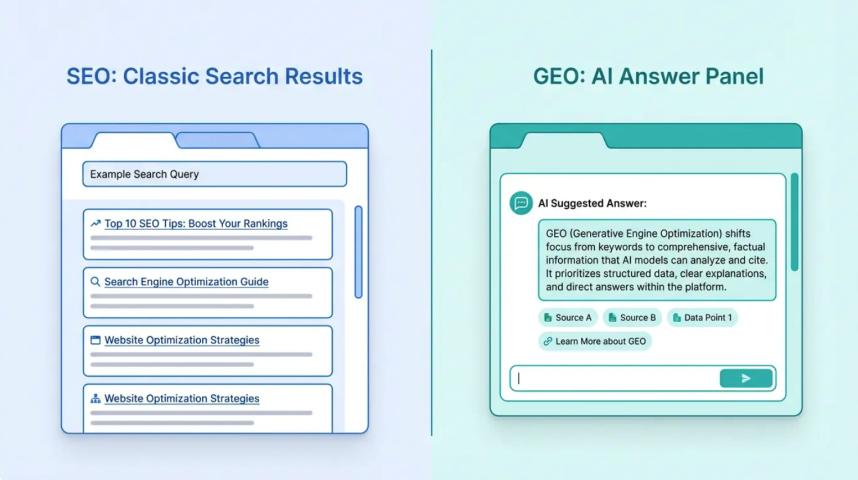
The world of search is changing fast. With AI, generative search features and different surfaces, you must keep up.
This means:
Monitor industry updates and algorithm changes.
Update old content so it remains relevant.
Experiment with new formats (for example video or rich media) if your audience/search results demand them.
By being flexible you give the search engine fresh signals that your site is active, relevant and worth ranking.
FAQ
Q: How long does it take to see better rankings?
A: It depends if your site is new or has many issues it can take weeks to months. Consistent effort on content, UX and technical work usually shows results within 3-6 months.
Q: Can I ignore backlinks and focus only on content?
A: Not really. While great content is critical, backlinks and trust signals still play a key role in how the search engine ranks pages. Ignoring them risks being invisible.
Q: What if Google doesn’t show my page even though I did everything right?
A: It happens. The search engine still uses many factors beyond your control (competition, niche difficulty, domain history). Keep improving, check analytics, identify gaps and adapt your strategy.
Conclusion
Improving your ranking in a search engine today is about more than keywords and links. It’s about understanding what people want, giving them that in a clear, structured way, offering a satisfying experience, and ensuring your site is technically fit and trustworthy. If you apply these seven powerful tips you’ll be well-positioned to climb the ranks and stay there.