
When most businesses think of branding, their minds instantly jump to logos — the visual symbols that represent who they are. While logos are undeniably important, a brand is much more than its emblem. It’s the personality, tone, design consistency, and customer experience that collectively shape perception.
In today’s digital-first world, where visibility is often determined by algorithms and search rankings, strategic design has become an unexpected yet powerful driver of SEO and online visibility. From how your website looks and feels, to how your packaging design translates across digital channels, your brand identity can directly influence how search engines and audiences engage with you.
In this article, we’ll explore how branding beyond logos — through thoughtful design strategy — can significantly improve SEO performance, website engagement, and overall online discoverability.
1. The Overlap Between Branding and SEO
Traditionally, branding and SEO have been seen as two separate disciplines: one creative, the other technical. But in reality, they are deeply intertwined.
- Branding creates recognition and trust, which increase clicks and repeat visits.
- SEO optimizes for visibility, ensuring that your brand is found where your audience is searching.
A brand that’s strategically designed to connect with its audience naturally performs better in search results. Why? Because search engines increasingly prioritize user experience (UX) — the very thing that design shapes.
For example, a well-designed website that loads quickly, guides visitors clearly, and maintains visual consistency will keep users engaged longer — reducing bounce rates and signaling to Google that your site is valuable and relevant.
2. Design Consistency Builds Authority
One of the most overlooked ranking factors is brand authority — the perception of reliability and expertise in your niche.
When your brand maintains consistency across all digital touchpoints — website, social media, product packaging, digital ads, and even email templates — it builds subconscious trust. Visitors are more likely to stay, explore, and link back to your content.
How Design Consistency Boosts SEO:
- Improves dwell time: A cohesive visual experience keeps users on your site longer.
- Encourages backlinks: Strong branding attracts collaborations and mentions from other reputable sites.
- Reduces bounce rates: Consistent design and clear navigation prevent user drop-offs.
A fragmented design confuses users and signals unprofessionalism. A consistent design signals credibility — something both people and search engines reward.
3. Strategic Visual Hierarchy Enhances User Experience
A brand with strategic design understands that visual hierarchy isn’t just about aesthetics — it’s about guiding users toward the right information effortlessly.
Elements like typography, spacing, and color contrast affect how people navigate your content. When design makes your site easy to scan and understand, users stay longer and interact more — increasing metrics that search engines use to rank websites.
For example:
- Clear headings with targeted keywords help both readers and search crawlers.
- Visually distinct calls-to-action (CTAs) improve conversions and time-on-site.
- Intuitive layouts reduce confusion and increase engagement.
The result? Better SEO performance driven by a design that respects both human psychology and digital structure.
4. Brand Storytelling and On-Page Optimization
A strong brand doesn’t just tell a story — it weaves that story into its digital presence.
Every page, from your homepage to your about section, should express who you are and why you matter. Search engines today reward authenticity and topical authority. When your design and content reinforce your brand story, it creates a cohesive message that resonates with both algorithms and audiences.
Design-Driven SEO Example:
A wellness brand that uses calming colors, clean typography, and nature-inspired imagery — paired with keyword-rich, empathetic copy — creates a holistic digital identity.
That identity makes users trust the brand and boosts engagement metrics like click-through rates and social shares, both of which indirectly improve SEO rankings.
5. Mobile-First Design is a Branding Imperative
In 2025, over 70% of web traffic globally comes from mobile devices. Google has long shifted to mobile-first indexing, meaning your site’s mobile version is the primary factor in how it ranks.
A brand that ignores mobile optimization undermines both its credibility and discoverability.
Mobile-Optimized Branding Benefits:
- Faster load times improve ranking signals.
- Better readability enhances UX and conversion rates.
- Responsive design maintains brand consistency across devices.
From the logo’s scalability to how your product images appear on smaller screens, strategic mobile design is now a non-negotiable part of SEO-driven branding.
6. Packaging Design’s Digital Impact
For consumer brands — especially in industries like FMCG, beauty, and wellness — packaging design doesn’t stay confined to the shelf anymore. It’s a key part of your digital brand narrative.
Product packaging that’s thoughtfully designed and photographed becomes powerful visual content across:
- E-commerce listings
- Social media posts
- Influencer collaborations
- Press features and blogs
Search engines now factor visual search and image optimization into their ranking algorithms. Optimized product imagery with proper alt-text, metadata, and consistent branding reinforces both visibility and recall.
In essence, packaging design has become a digital SEO asset.
7. Emotional Design and Brand Experience
Great branding taps into emotion. When users feel something — trust, inspiration, belonging — they engage, share, and return. These emotional triggers indirectly amplify SEO by boosting user engagement metrics.
Emotional design includes:
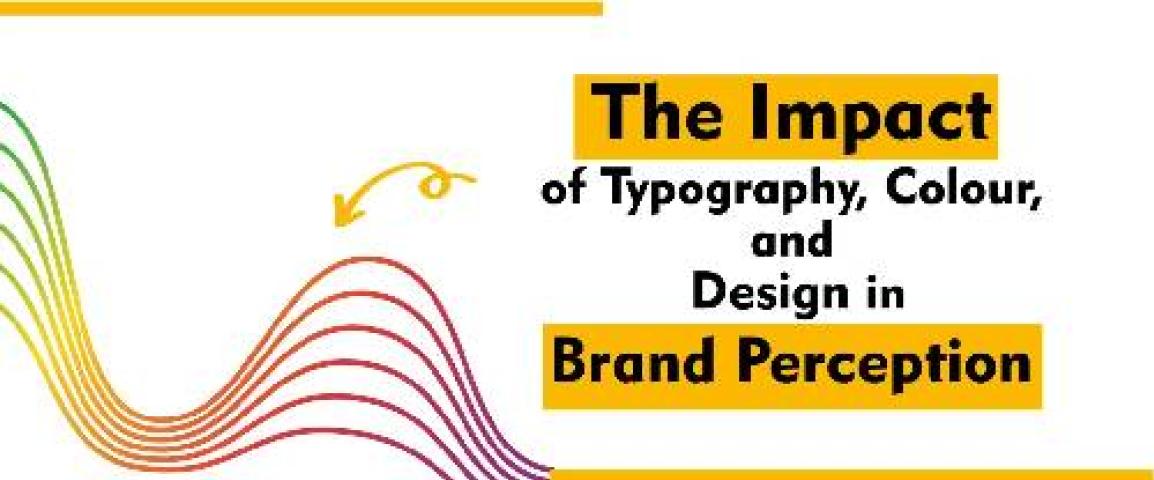
- Color psychology aligned with brand values.
- Color psychology aligned with brand values.
- Fonts that express tone and voice.
- Photography and illustrations that evoke desired moods.
The deeper the emotional connection, the stronger the organic reach — because customers become brand advocates who share and link naturally.
8. Social Signals and Brand Cohesion
While Google has stated that social signals (likes, shares, followers) aren’t direct ranking factors, they contribute indirectly by driving traffic, engagement, and backlinks.
A brand with cohesive social design — from post templates to tone of voice — builds recognition and encourages community interaction. Every time your brand is mentioned or shared online, it strengthens your authority footprint, which benefits SEO over time.
Consistent brand design ensures that your social content — whether on Instagram, LinkedIn, or YouTube — always loops back to a unified identity. That recognition fuels brand searches, a growing SEO metric that measures how many users search your brand name directly.
9. Data-Driven Design: Testing and Refinement
Branding isn’t static. Design decisions should evolve with performance insights.
A/B testing different design elements — such as CTA buttons, hero banners, or typography — can reveal what keeps users engaged. These small design optimizations lead to better SEO outcomes by improving behavioral metrics like:
- Click-through rates (CTR)
- Scroll depth
- Conversion rates
Data-driven design helps ensure your brand visuals are not just beautiful, but effective — a balance every modern business must achieve to compete online.
10. The Future: Brand Experience as SEO
As AI and visual search advance, search engines are moving beyond text. They’re beginning to interpret design cues, user experience, and brand sentiment in increasingly sophisticated ways.
Future SEO will prioritize brand experience — not just keywords or backlinks. A strong, strategic design system that aligns aesthetics with user behavior will become the foundation of discoverability.
Simply put: Your brand’s design is your SEO.
Conclusion
A logo is only the tip of the branding iceberg. Beneath it lies the strategy — visual consistency, storytelling, UX, and emotional connection — that truly drives discoverability and engagement online.
For businesses in competitive markets like Gurgaon or across India, investing in strategic branding design isn’t just about looking good. It’s about being found, trusted, and remembered in the digital landscape.