
Home remodeling is one of the most exciting and rewarding investments homeowners can make. Whether you’re updating your kitchen, modernizing a bathroom, or expanding your living space, the right improvements can increase comfort, functionality, and property value. However, timing your remodel is just as important as the design and materials you choose. One factor that often goes overlooked is seasonal weather—a critical consideration that can make or break your remodeling experience.
Planning your remodel around seasonal changes can affect project timelines, labor availability, costs, and even the longevity of your finished work. Understanding how weather impacts construction helps you avoid delays, manage budgets, and ensure that your home improvements are completed smoothly and efficiently.
Understanding How Weather Impacts Remodeling
Weather has a direct influence on nearly every stage of a construction project. Rain, humidity, heat, and cold each bring their own challenges—from curing times for concrete and paint to accessibility for outdoor work.
For example, winter weather can make it difficult to pour foundations or install roofing due to freezing temperatures. Conversely, hot summer conditions can affect workers’ safety and material performance. Spring and fall often offer mild temperatures that are ideal for both indoor and outdoor projects.
By aligning your remodel with favorable weather patterns, you’ll reduce disruptions, minimize costs, and ensure higher-quality results.
Winter Remodeling: Indoor Projects and Planning Ahead
Winter can seem like an inconvenient time for remodeling, but it’s actually ideal for certain types of projects. Since outdoor work is limited by cold, rain, or snow, winter is the perfect season to focus on interior renovations such as:
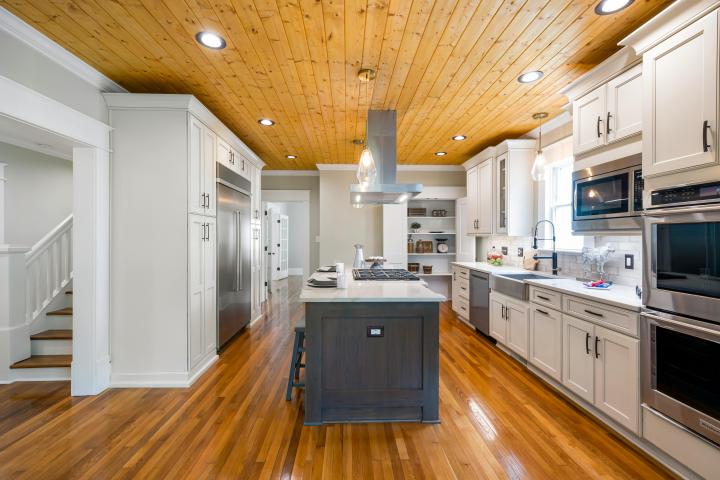
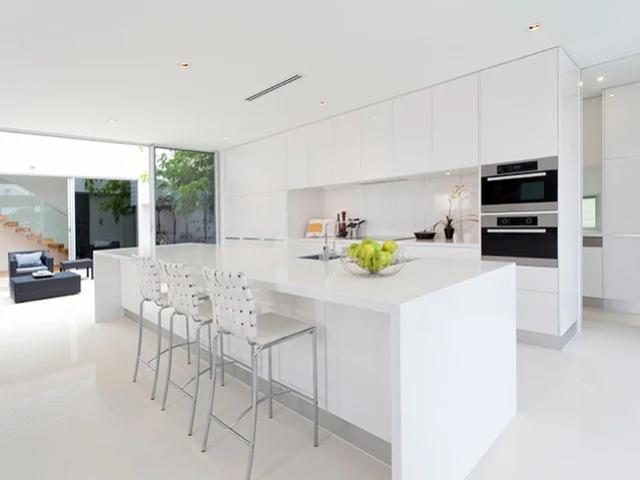
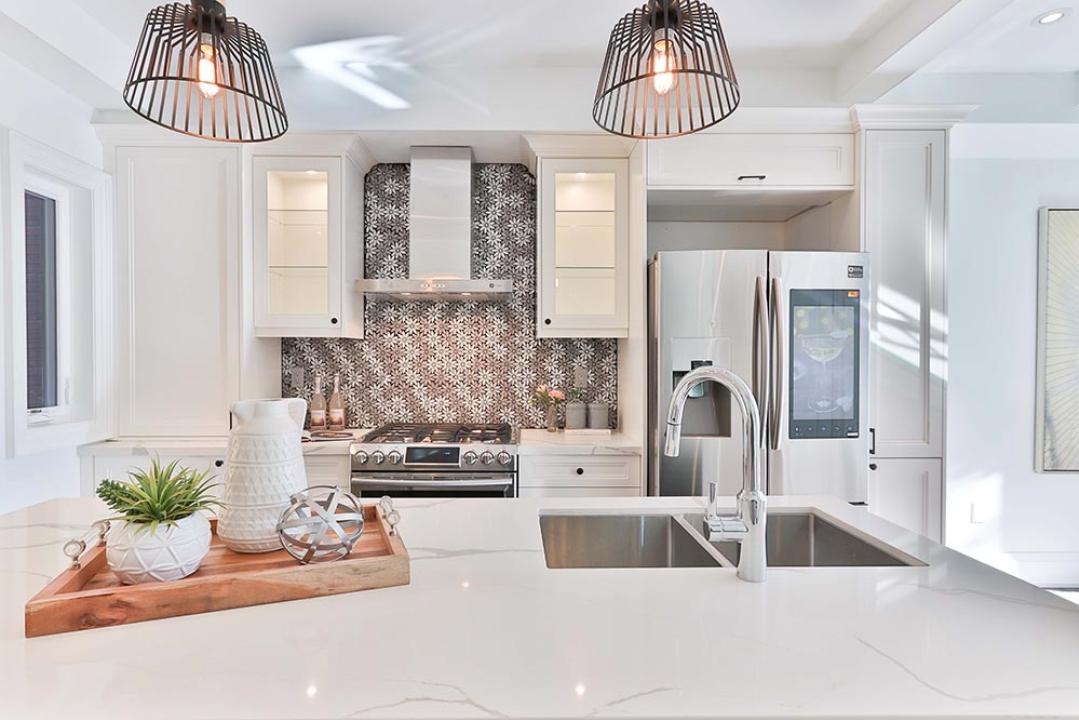
- Kitchen remodels
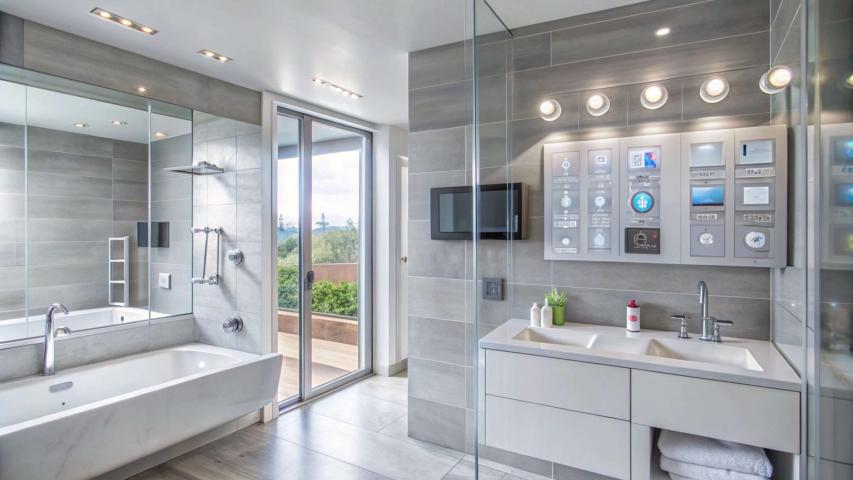
- Bathroom upgrades
- Basement finishing
- Flooring installation
- Painting and trim work
Contractors often have more flexible schedules in winter, which can mean faster project start dates and even potential cost savings. You can also use the winter months to plan larger outdoor projects for spring or summer—finalizing designs, obtaining permits, and ordering materials in advance.
However, if your remodel involves opening walls, replacing windows, or installing insulation, be mindful of heat loss. Proper planning and temporary barriers can help maintain indoor comfort during cold-weather construction.
Spring Remodeling: The Season of Renewal
Spring is a favorite season for remodeling because it brings warmer temperatures, longer days, and a renewed sense of energy. It’s the perfect time to start outdoor and transitional projects, such as:
- Building or expanding decks and patios
- Landscaping and exterior painting
- Roof replacement or repairs
- Window and door installation
- Home additions that connect indoor and outdoor spaces
Spring also offers moderate humidity and temperatures that are favorable for materials like wood, paint, and concrete. However, homeowners should plan for unpredictable weather—spring rain can delay exterior projects, so scheduling flexibility is key.
Because many homeowners want to start remodeling in spring, contractor availability can fill up quickly. Booking early ensures your project starts on schedule and avoids the seasonal rush.
Summer Remodeling: The Peak Construction Season
Summer is traditionally the busiest time of year for remodeling—and for good reason. Longer daylight hours and consistent weather make it ideal for major outdoor construction and structural renovations.
Common summer projects include:
- Home additions and expansions
- Major roof replacements
- Exterior painting and siding installation
- Pool construction and backyard upgrades
- Window and door replacements
Summer is also an excellent time for kitchen and bathroom remodels if you plan ahead for temporary disruptions. With warmer weather, you can set up outdoor cooking areas or showers to make living through the remodel more manageable.
One challenge of summer remodeling is heat. Extreme temperatures can affect materials such as adhesives, paint, and asphalt, so contractors often start early in the day to avoid the hottest hours. Additionally, because demand for remodeling peaks in summer, homeowners should expect higher material and labor costs if they haven’t planned in advance.
Fall Remodeling: Preparing for the Cold
Fall offers a balance between the intensity of summer and the dormancy of winter, making it one of the most strategic times to remodel. Temperatures are cooler, humidity drops, and contractors may have more availability as the busy season winds down.
Fall is perfect for:
- Roof repairs or replacements before winter storms
- Exterior painting and sealing projects
- Window and door upgrades to improve insulation
- HVAC system replacements and energy-efficiency upgrades
- Interior projects that prepare your home for the holidays
Since many materials like caulks and paints adhere better in moderate temperatures, fall provides optimal conditions for lasting quality. It’s also a good time to check insulation, weather stripping, and roofing to make sure your home is ready for winter’s chill.
Planning your remodel in fall can also give you a head start for the new year—by completing work before the holidays, you’ll be able to enjoy a refreshed and more comfortable home during the colder months.
Tips for Planning Your Remodel by Season
No matter which season you choose, strategic planning can make your remodeling project smoother and more successful. Here are a few essential tips:
-
Consult Your Contractor Early
Schedule consultations at least a few months before your desired start date. Contractors can help you determine the best season for your specific project based on design, materials, and regional climate. -
Account for Permits and Lead Times
Building permits and material orders can take longer during busy seasons. Start early to avoid waiting for approvals or shipments that can delay construction. -
Build Weather Contingencies Into Your Timeline
Always allow extra time for weather-related delays, especially for exterior projects. A flexible schedule ensures less stress and better coordination with subcontractors. -
Protect Your Home During Construction
Use temporary barriers, tarps, and proper ventilation to protect your home from dust, debris, and weather exposure during remodeling. -
Consider Your Life>
Choose a season that aligns with your family’s schedule. For instance, if you’ll be away on vacation during summer, it might be the perfect time for your contractor to complete a kitchen or bathroom remodel without disrupting your daily life. -
Budget for Seasonal Cost Variations
Prices for labor and materials often fluctuate with demand. Off-peak seasons like winter or late fall may offer more competitive rates.
The Bottom Line
Every season offers unique advantages and challenges for remodeling. By planning your project around the weather, you’ll ensure a smoother experience, protect your investment, and achieve high-quality results that last. Whether you’re refreshing a single room or transforming your entire home, strategic timing can make all the difference between a stressful project and a successful one.
With thoughtful preparation, open communication with your contractor, and attention to seasonal details, you can enjoy a remodel that’s as seamless as it is stunning—no matter what time of year you begin.
Pacific Construction is a fully licensed general contractor in Millbrae specializing in Home Remodeling, Kitchen Remodeling, and Bathroom Remodeling. We bring expertise, quality craftsmanship, and dedication to every project—helping homeowners create beautiful spaces built to last.