In today’s fast-evolving digital landscape, marketing automation is no longer a luxury — it’s a
necessity. As customer expectations rise and businesses strive for
hyper-personalized engagement, automation continues to redefine how brands
connect with their audiences. With Martech evolving at lightning speed, 2025
promises to be a pivotal year for innovation, efficiency, and customer-centric
strategies.
This tech article dives deep into the future of marketing
automation, exploring the trends and predictions that will shape Martech in
2025 and beyond.
1. AI Will Drive Deeper Personalization
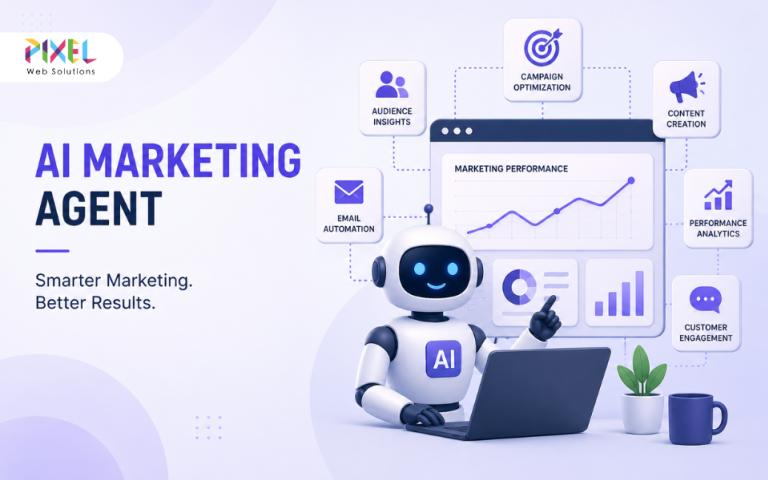
Artificial Intelligence (AI) has already
revolutionized marketing automation, but its impact in 2025 will be more
profound. AI-powered automation platforms will move beyond basic segmentation
to deliver real-time, hyper-personalized experiences.
From predictive content recommendations to AI-driven dynamic
emails, brands will use intelligent algorithms to anticipate user intent before
a customer even clicks. This will not only improve engagement but also increase
ROI by ensuring that every marketing message feels relevant, timely, and
personal.
Prediction: AI will become the backbone of
every Martech stack, optimizing campaigns through adaptive
learning and behavior-based personalization.
2. Predictive Analytics Will Transform Decision-Making
Data has always been the fuel for effective marketing, but
predictive analytics is set to take this further by empowering marketers with
foresight rather than hindsight.
In 2025, marketers will rely on predictive data models to
forecast customer behavior, churn rates, and campaign performance. By
integrating analytics into automation workflows, companies will make proactive
decisions — targeting customers at the right time and on the right platform.
Tech Insight: Predictive analytics tools in
Martech platforms will become more user-friendly, allowing even non-technical
marketers to derive actionable insights with minimal effort.
3. The Rise of Omnichannel Automation
Customers today move seamlessly between digital touchpoints
— social
media, email, chatbots, and mobile apps. By 2025, omnichannel automation
will become the standard rather than the exception.
Marketers will use automation tools that integrate across
multiple channels, ensuring consistent messaging and unified customer experiences. From automated retargeting ads
to synchronized email and SMS campaigns, omnichannel strategies will create
cohesive journeys that drive conversion and loyalty.
Prediction: Martech platforms will evolve into
centralized hubs capable of managing end-to-end customer
engagement across every digital channel.
4. No-Code and Low-Code Automation Platforms Will Empower
Marketers
One of the biggest shifts coming in 2025 is the rise of
no-code and low-code marketing automation platforms. These tools allow
marketers to build automated workflows without needing deep technical
expertise.
As businesses demand agility and faster go-to-market execution,
no-code solutions will democratize Martech — making automation accessible to
marketing teams of all sizes.
Tech Forecast: Expect to see an explosion of
intuitive drag-and-drop platforms enabling real-time campaign creation, data
integration, and testing without developer support.
5. Voice and Conversational AI Will Redefine Customer
Interaction
Voice technology and conversational AI will play a
significant role in the next wave of marketing automation. As smart assistants
and chatbots become more sophisticated, automated voice-driven marketing will
emerge as a powerful engagement tool.
Brands will automate personalized responses, conversational
campaigns, and product recommendations through AI-powered chatbots and voice
search optimization.
Example: Imagine a chatbot that not only
responds to queries but also anticipates customer needs, schedules demos, or
sends tailored offers — all through automation.
6. Privacy-Centric Automation Will Gain Priority
With data privacy regulations tightening globally, marketers
in 2025 must balance personalization with protection. Privacy-centric
automation will become essential for compliance and customer trust.
Future Martech platforms will integrate privacy-by-design
frameworks, ensuring that consent management, data encryption, and transparent
communication are built into every automated process.
Prediction: Ethical automation will be a key
differentiator for brands, turning trust into a competitive advantage.
7. Integration of Marketing, Sales, and Service
Automation
The lines between marketing, sales, and customer service are
blurring fast. By 2025, integrated automation will unify these functions under
a single ecosystem.
CRM and marketing automation tools will share data
seamlessly, allowing teams to deliver a 360-degree customer experience — from
first interaction to post-sale engagement.
Tech Advantage: Businesses using connected
Martech systems will see higher lead-to-customer conversion rates and improved
retention through cohesive communication flows.
8. Generative AI Will Revolutionize Content Automation
Generative
AI tools are transforming how marketers create and distribute content.
In 2025, expect to see AI-generated emails, blogs, and social media campaigns
tailored to each audience segment.
Automation platforms will merge with generative AI models to
deliver personalized, on-brand content at scale. This will save time, reduce
costs, and enhance creativity — helping marketers focus on strategy instead of
manual production.
Insight: Martech will evolve from task
automation to creative automation, reshaping content marketing for
the next decade.
Conclusion
The future of marketing automation is intelligent,
integrated, and customer-driven. As we move into 2025 and beyond, Martech will
not just automate repetitive tasks — it will empower marketers to make smarter
decisions, deliver deeper personalization, and create meaningful connections at
scale.
Businesses that embrace these automation trends early will
gain a decisive edge in efficiency, engagement, and growth.
In the end, marketing automation isn’t just about technology
— it’s about transforming data into experiences and relationships into loyalty.