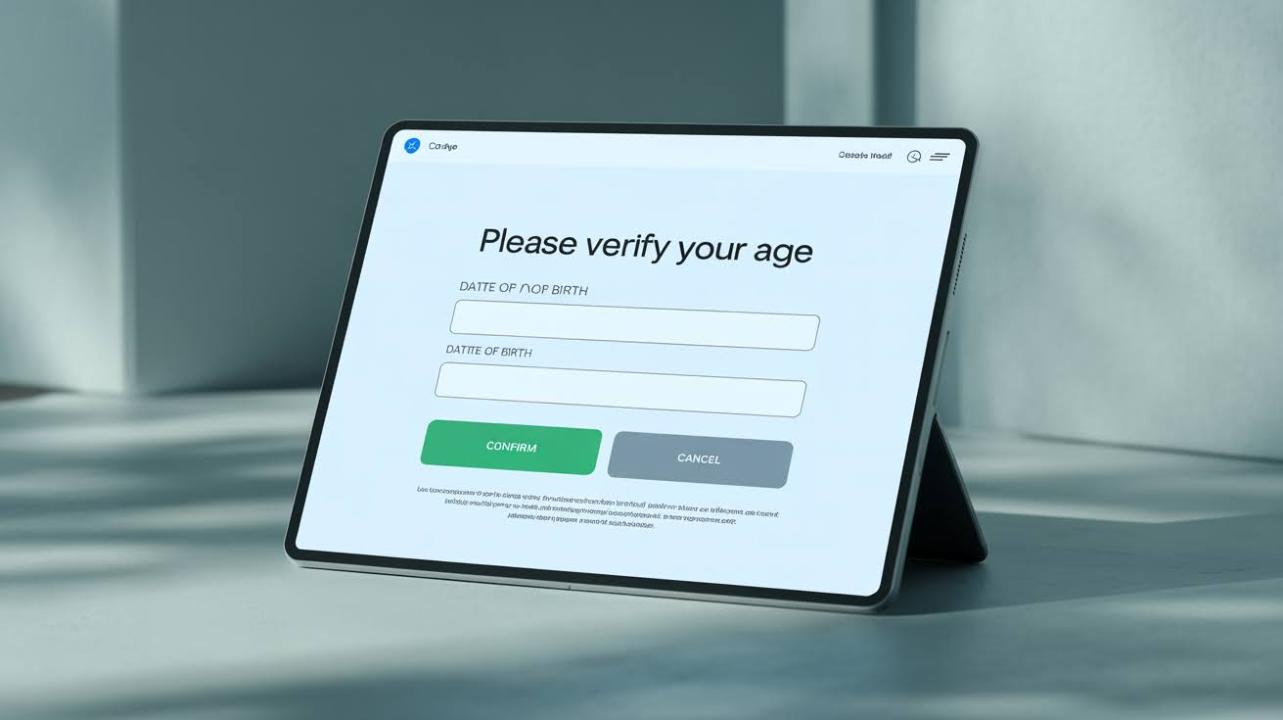

In the era of digital-first, age verification is now a part of online safety and digital responsibility that has been upheld by law. With the growing use of the internet by children and adolescents, whether through social media or gaming and even e-commerce websites, there is a move to formulate regulations in different parts of the world to ensure that minors do not become exposed to inappropriate or harmful information over the internet. These legislations exist to establish equilibrium between privacy, comfort of the user, and security, but also to ensure that companies are responsible and ethical in the online environment.
The reason behind Age Verification Laws.
The main aim of age verification laws is to ensure that minors do not access content or services that are age restricted. This consists of online gambling, pornography, sales of alcohol and tobacco, and even certain types of violent or mature entertainment. Through imposing age restrictions on the digital platform, the regulators aim to reduce the risks, such as access to obscene content, grooming online, identity theft, and privacy invasion on the platform by minors.
Besides this, such laws will enhance accountability of the businesses, and they are obliged to effect sound identity checks. This is a preventive measure to the users that is also a way of creating confidence among consumers and service providers.
Age Verification on a Worldwide Basis.
The age verification laws have been approached differently by different countries based on their cultural values and priorities of law. The Online Safety Act and the Digital Economy Act in the United Kingdom states that websites that provide adult material must ensure that they confirm the age of their users before they can access it. In the same manner, the European Union has included the age-checking provisions in the Audiovisual Media Services Directive (AVMSD) and GDPR, with a tendency in securing personal information of minors.
Although the United States does not have any federal law that acts as a guide in the age verification concerning the internet, various states like Texas, Utah and Louisiana have enacted their laws that require age verification of websites considered adult. Their state laws are also shaping the formulation of larger national standards.
In Australia, the eSafety Commissioner monitors programs aimed at safeguarding minors on the internet, such as Age Verification Roadmap which facilitates safer access to online content. In the meantime, other Asian nations, such as Japan and South Korea, have also established stringent age and identity checks when using games and social sites, in which you need to put your real name.
Important elements of Age Checking in the Laws.
All age verification laws are typically based on three fundamental elements, including verification procedures, data security, and enforcement of compliance.
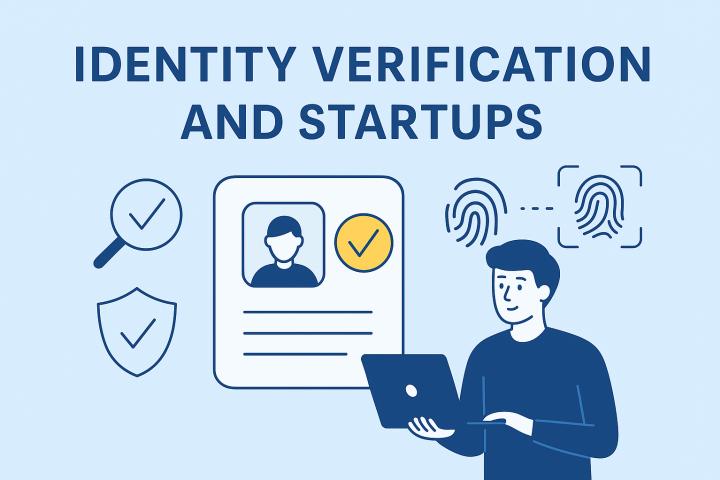
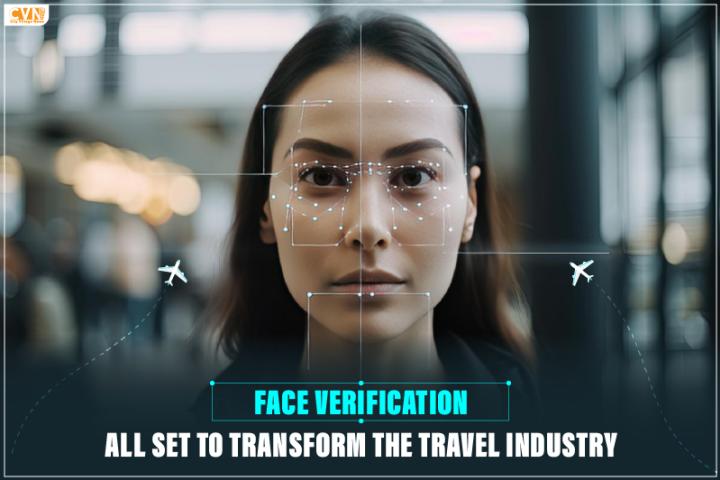
The technologies that are used in verification are document-based, biometric verification, and database matching. In a case in point, the sites might request members to attach a valid ID, scan their faces to verify their identities biometrically or verify their identities using official digital ID systems.
Another important factor is data protection. The majority of contemporary laws focus on the fact that age verification must not impair the privacy of individuals using the tools. These systems should meet the privacy laws, such as the GDPR or domestic data protection laws, and the information belonging to the users has to be safely stored, encrypted, and removed after verification is done.
The idea of compliance is the enforcement of penalties on those companies that do not meet the standards of verification. The regulators may provide fines, restrict the availability of non-observing sites, or cancel the operating licenses. These actions will make businesses focus on legal safe interaction with users.
Difficulties in the Age Verification Implementation.
Although the laws on age verification are very important, their implementation presents a number of challenges. User privacy is one of the key issues. Most users are not ready to give their personal information or identification documents to any websites due to the fear of misuse or loss of personal information.
The other obstacle is the technological barriers. Not every platform will be able to incorporate advanced verification systems because of the resources or technical capabilities. Small sites might not be able to abide by stringent rules resulting in accessibility or economical limitation.
Privacy and protection are also mutually balanced. Regulators should take care that age verification is not obtrusive and overly restrictive, particularly in the situation where anonymity is an important value, e.g., social media or an online forum.
Finally, there is cross-border enforcement, which is a significant problem. As online media does not acknowledge national borders, it is complicated to guarantee compliance with local age verification regulations globally and necessitates collaboration on the international level.
Technology role in Age Verification.
Technology has enabled this to be done without infringing on the privacy of the users as well as ensuring that the accuracy in determining age is made. AI-enabled authentication systems can process biometric data (e.g. facial features) to approximate the age of a user without storing recognizable data.
Verification of the IDs uploaded is done using document verification tools that cross-reference with the government databases to verify authenticity. Another solution which is privacy-friendly is blockchain technology, which enables users to establish their age without including personal information by using encrypted credentials.
The innovations help companies to meet the regulations and give smooth and safe user experience.
Future of age verification laws.
The age verification is changing at a high rate. There is a growing trend in more nations towards regulation of child safety and digital ethics, and therefore, more stringent regulations are likely in the next few years. It will probably shift to privacy-saving technologies, standardization frameworks, and international collaboration to ensure a more secure digital environment.
Furthermore, self-regulation within the industry will be encouraged wherein technology suppliers and online platforms will take responsible actions on their own will before they are forced by the law to act. Such active strategy may help this to be minimized as well as make users trust the government less.
Conclusion
Age verification legislations are a significant aspect in the direction to a more responsible and safer digital future. These rules will encourage responsible business conduct and protect the trust of the society in the online business dealings by making sure that minors are not exposed to any harmful or age related content. With the further development of technologies, it will be difficult to find the necessary balance between the protection of minors, protection of privacy, and ensuring convenient accessibility to authorized users. Governments, business and technology providers should collaborate to create a trusting and clear system one that safeguards the youngest members of the society without violating the liberties that makes the internet a free channel to everyone.