A website is often a business’s first impression in today’s digital landscape. Whether it’s a personal portfolio, e-commerce platform, or corporate site, creating an effective website requires careful planning, strategic thinking, and technical execution. The website development process involves multiple stages, each crucial to building a fast, functional, and visually appealing online presence.
1. Goal Setting and Requirement Analysis
Every website begins with a purpose. The first step is defining clear goals—what you want the website to achieve. It could be generating leads, selling products, educating visitors, or showcasing a brand. This stage also involves identifying the target audience and understanding their needs. The more specific the objectives, the easier it becomes to design a site that aligns with business goals and user expectations. During requirement analysis, teams gather inputs about desired features, design >
2. Market Research and Competitor Study
According to Simpalm, a web design agency in Maryland, “Research provides the foundation for strategic decisions. Analyzing competitor websites helps identify what works in your niche and what doesn’t. Pay attention to design trends, navigation patterns, and user engagement tactics. Studying user behavior also reveals opportunities for differentiation. It’s worth noting how competitors position their brands, the content tone they use, and how accessible their websites are. This research stage shapes both design and development choices, ensuring the final product aligns with current market expectations.”
3. Planning and Information Architecture
With goals and research insights in place, the next step is planning. Information architecture (IA) defines how content will be structured and organized. A well-planned IA ensures users can easily find information without confusion. Developers and designers collaborate to create a sitemap—a graphical representation of the website’s structure, including all pages and how they link together. During planning, teams also set timelines, allocate roles, and select the technology stack, such as content management systems (CMS), frameworks, and hosting platforms. Proper planning helps avoid delays and keeps the project aligned with business objectives.
4. Wireframing and Designing
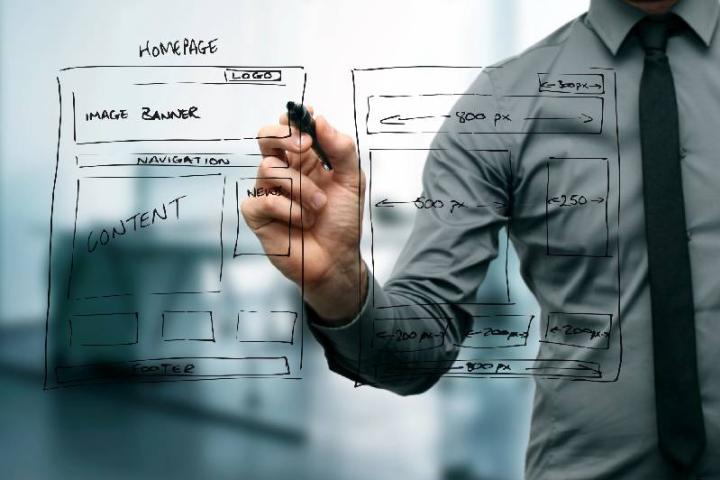
Design is where the visual concept takes shape. The process often begins with wireframes—basic blueprints that outline page layouts, content placement, and navigation flow. Wireframes focus on functionality rather than aesthetics. Once approved, designers move on to creating high-fidelity mockups that showcase the brand’s colors, typography, images, and interactive elements. The design should balance creativity and usability, ensuring users have an intuitive experience. Good design focuses on clarity, consistency, and accessibility across devices. Tools like Figma, Adobe XD, and Sketch are commonly used for this stage, enabling collaborative review and feedback.
5. Content Creation
Content is the voice of the website. It communicates the brand’s message and helps users understand what is being offered. This stage includes writing copy for pages, creating call-to-action elements, and integrating multimedia like videos or infographics. High-quality content should be optimized for readability and search engines. Content writers often work closely with SEO specialists to ensure relevant keywords and structure are applied. Engaging and informative content not only attracts visitors but also keeps them exploring longer.
6. Front-End and Back-End Development
Development brings design and strategy to life. Front-end development focuses on what users see and interact with, using technologies like HTML, CSS, and JavaScript. It ensures the website’s layout, animations, and interactions function correctly on different devices and browsers. Back-end development powers the functionality behind the scenes. It involves setting up databases, servers, and APIs. Common back-end languages include PHP, Python, Node.js, and Ruby on Rails. Developers ensure seamless communication between the front and back ends, turning static designs into dynamic, data-driven websites. Collaboration tools and version control systems like GitHub help manage code efficiently and maintain smooth workflows between team members.
7. Integration and Testing
Once the core site is built, testing becomes essential to guarantee quality and performance. Various aspects are tested, including functionality, usability, performance, security, and responsiveness. Functional testing checks whether all links, forms, and scripts work properly. Usability tests ensure that users can navigate easily and complete desired actions. Performance testing evaluates how quickly the site loads, while compatibility testing verifies that it looks and behaves correctly across devices and browsers. Testing also includes identifying and fixing broken links, image errors, and layout inconsistencies. Ensuring the website is optimized for mobile performance is particularly important, since mobile traffic now dominates web usage.
8. SEO and Optimization
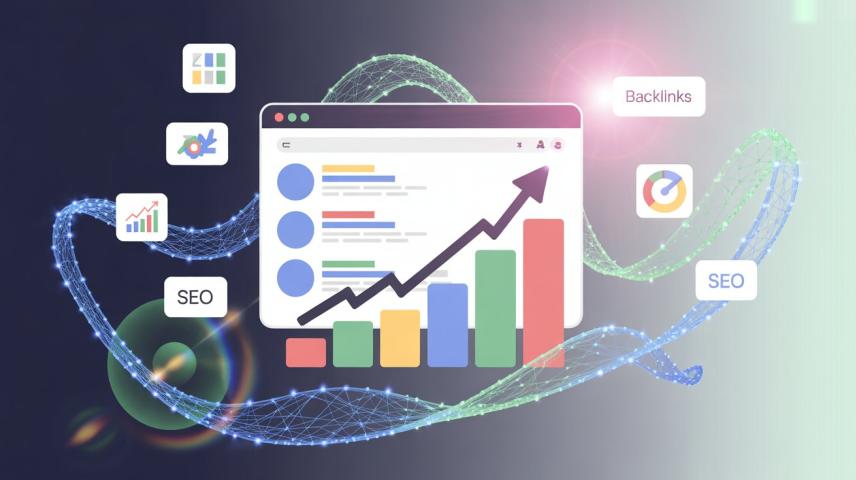
A website is only effective if people can find it. Search engine optimization (SEO) must be integrated throughout development to improve visibility. This involves optimizing meta tags, headers, URLs, and content structure. Technical SEO ensures that the website’s codebase, speed, and site architecture are search-engine-friendly. Key steps include compressing images, enabling browser caching, and using clean, semantic HTML. Implementing structured data and ensuring accessibility standards are also critical. Proper SEO practices not only boost search rankings but also enhance user experience.
9. Deployment and Launch
After thorough testing and optimization, the site is ready to go live. Deployment involves moving the website from a local or staging environment to a live server. Developers configure the hosting environment, domain, and SSL certificates to ensure security and reliability. Before the full launch, teams often perform a final pre-launch checklist, verifying that all links, content, and analytics tools are functioning properly. Announcing the launch through marketing channels like social media, newsletters, or press releases helps generate initial traffic and engagement. A soft launch or beta phase can also be useful for collecting early feedback.
10. Post-Launch Maintenance and Updates
Launching the website is not the end—it’s an ongoing process. Regular maintenance ensures the site stays secure, updated, and relevant. Tasks include monitoring analytics, backing up data, checking performance, and fixing any issues that arise. Updating content frequently keeps users engaged and improves SEO. Periodic design refreshes and security updates help maintain a modern and safe environment for visitors. Over time, user feedback and analytics data can guide further improvements or new features.
11. Measuring Success
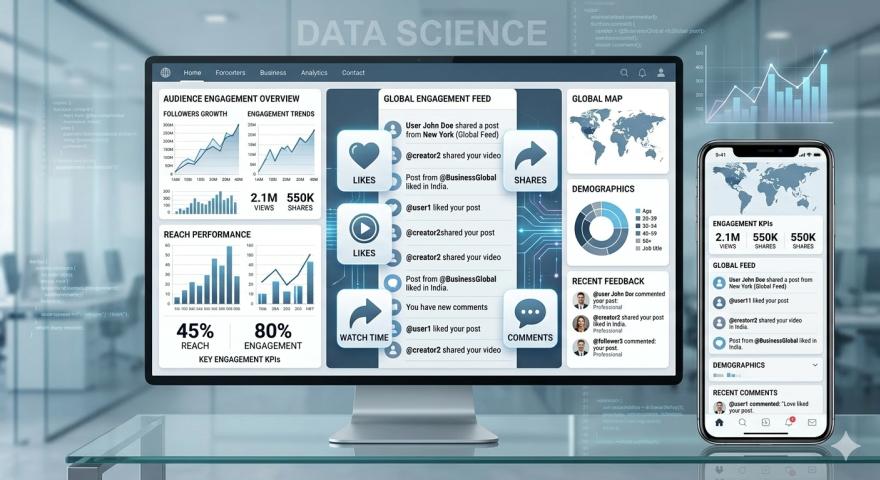
After launch, measuring performance helps determine whether the website meets its objectives. Key metrics include visitor traffic, bounce rate, conversion rate, session duration, and engagement metrics. Using tools like Google Analytics, Hotjar, or Search Console provides insights into user behavior and traffic sources. Businesses can also track form submissions, sales, or bookings to assess conversion effectiveness. Evaluating these metrics ensures continuous improvement and helps adapt strategies to changing user expectations.
12. Continuous Improvement
Websites are living digital assets that must evolve. Continuous improvement involves monitoring performance, staying current with design trends, and implementing feedback-driven optimizations. Adding new features, improving load times, or refining navigation based on analytics keeps the website competitive. As technology and user behaviors evolve, maintaining flexibility allows the site to grow with audience needs and industry standards.
Final Thoughts
The website development process blends creativity, technology, and strategy into one cohesive journey. Each step, from research and planning to launch and maintenance, plays a crucial role in creating a functional and engaging digital experience. A successful website not only reflects a brand’s identity but also serves as a powerful tool for growth and communication. Understanding each phase allows teams to move purposefully and ensures the end product truly connects with its audience.