You’re examining a phone case that bends without breaking or a floor coating that withstands heavy traffic yet feels smooth underfoot. Resins make this possible, acting as the glue and shield in modern materials. These viscous polymers harden into forms that protect surfaces while allowing movement, from car parts to adhesives. In Pakistan, where industries demand materials that endure heat, wear, and stress, resins fill critical roles in construction and manufacturing. Picture epoxy binding composites or polyurethane cushioning impacts—their chemistry turns rigid ideas into adaptable realities. Whether coating a bridge or sealing electronics, resins deliver the sweet spot between unyielding strength and forgiving give. A resin supplier in Pakistan can provide the exact formula to turn concepts into lasting, pliable products.
What Are Resins and Their Basic Properties?
Resins start as sticky liquids or semi-solids that cure into solid materials, offering a mix of hardness and elasticity for various uses.- Chemical Makeup Details – Composed of polymer chains with reactive groups, resins cross-link during curing to form networks that resist chemicals and heat, common in industrial settings.
- Viscosity and Flow – Begin fluid for easy application in molds or coatings, then solidify to lock in shape, ideal for detailed parts or thin layers.
- Curing Mechanisms – Harden via heat, UV light, or catalysts, controlling the final balance of stiffness and bend, adjustable for specific project requirements.
- Natural vs Synthetic Sources – Tree saps provide natural versions like rosin, while petroleum yields synthetics like polyester, expanding options for cost and performance.
- Core Strength Features – Provide impact resistance and adhesion, bridging gaps where metals fail in flexibility or woods lack in weatherproofing.
How Do Resins Achieve Durability?
Durability in resins comes from their ability to form dense, cross-linked structures that withstand environmental stresses and mechanical forces.- Cross-Linking Density – Tight molecular bonds create barriers against moisture, UV rays, and abrasion, extending lifespan in outdoor or high-wear applications like flooring.
- Impact and Scratch Resistance – Absorb shocks without cracking, with fillers like silica adding hardness, suitable for tools or vehicle coatings that face daily punishment.
- Thermal Stability – Maintain properties across temperature swings, preventing softening in heat or brittleness in cold, key for electronics in varying climates.
- Chemical Inertness – Resist acids, solvents, and corrosion, protecting underlying materials in factories or pipelines exposed to harsh substances.
- Long-Term Performance – Retain color and integrity over years, reducing maintenance in bridges or furniture exposed to constant use.
Resins turn vulnerability into endurance, one cross-link at a time.
What Provides Flexibility in Resins?
Flexibility stems from resin formulations that allow controlled movement without sacrificing structural integrity.- Polymer Chain Length – Longer chains permit bending and stretching, as in polyurethane for seals that expand with temperature changes without tearing.
- Plasticizer Additives – Softeners like phthalates lower rigidity, enabling resins to flex in adhesives or films that conform to irregular surfaces.
- Elastomeric Blends – Mixing with rubber-like components creates bounce-back, used in gaskets or footwear soles that compress and recover repeatedly.
- Curing Control – Partial cross-linking leaves room for give, balancing with durability in coatings that crack less on expanding substrates.
- Temperature Response – Some resins soften slightly when warm, aiding flexibility in cold-weather gear or automotive parts under engine heat.
How Do Resins Balance Both Qualities?
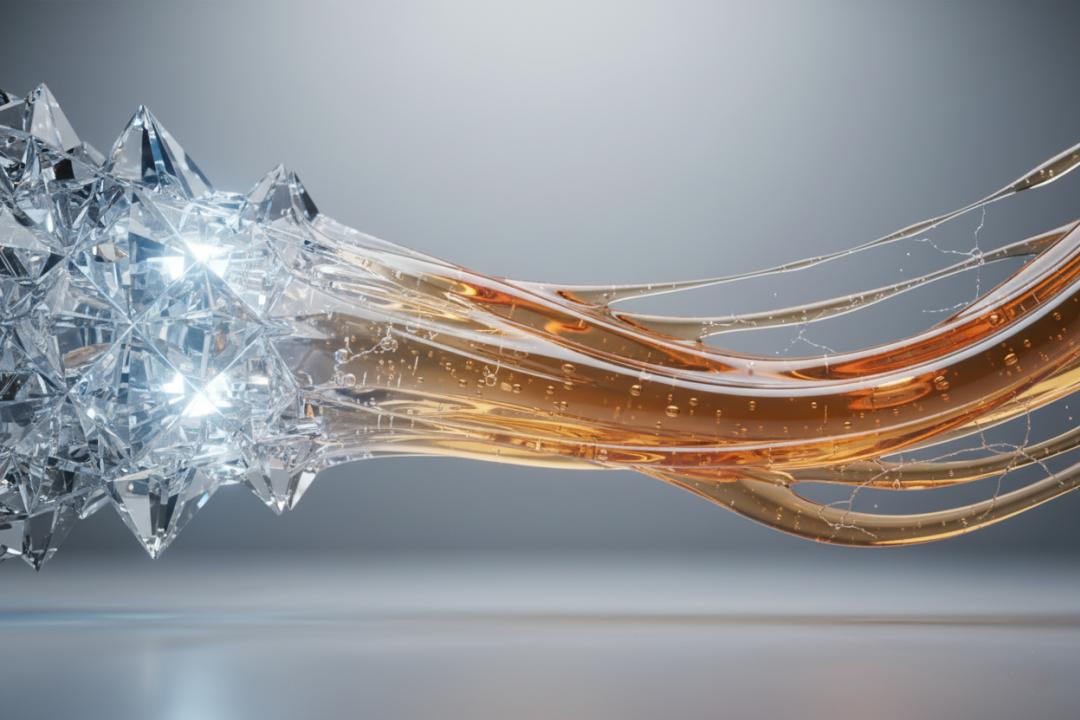
The balance between durability and flexibility is achieved through precise chemistry and application techniques tailored to end-use demands. Resins bridge the gap by adjusting monomer ratios, additives, and curing conditions to fine-tune properties. For instance, epoxy resins offer rock-hard durability for structural bonds but incorporate flexible segments for slight give in composites. Polyester resins fill fiberglass with toughness yet allow mold release without brittleness. In practice, a durable resin coating on wood floors resists dents from heels while flexing with board movement to avoid cracks. Manufacturers layer rigid and elastic resins for hybrid performance, like hard shells over soft cores in helmets. This adaptability makes resins indispensable in Pakistan’s growing sectors, where products must endure loads yet accommodate shifts.Comparing Resin Types for Durability and Flexibility
|
Resin Type |
Durability Level | Flexibility Level | Common Uses |
Cost (PKR/kg, 2025) |
| Epoxy | High, chemical-resistant | Moderate, with modifiers | Adhesives, coatings | 800-1,500 |
| Polyester | Good, weatherproof | High, moldable | Composites, boats | 500-1,000 |
| Polyurethane | High, impact-proof | Excellent, elastic | Foams, sealants | 700-1,200 |
| Acrylic | Moderate, UV-stable | Good, clear | Paints, lenses | 600-1,100 |
What Are Practical Applications in Pakistan?
Resins find widespread use in Pakistan, combining strength and bend in everyday and industrial products.- Construction Materials – Epoxy resins reinforce concrete beams for durability, flexing slightly to prevent fractures in earthquake-prone areas.
- Automotive Parts – Polyurethane bumpers absorb crashes while maintaining shape, used in local vehicle assembly for safety and longevity.
- Furniture Coatings – Polyester finishes protect wood tables from scratches, allowing wood expansion without peeling over time.
- Electronics Encapsulation – Flexible silicone resins shield circuits from vibration, ensuring reliability in devices made in tech hubs.
- Textile Treatments – Resins add wrinkle resistance to fabrics, durable through washes yet soft for clothing comfort.
Flexibility without durability fails fast; durability without flexibility breaks—resins master both.
How to Maintain Resin Products?
- Cleaning Routines – Wipe with mild soap and water to remove dirt without degrading the surface, preserving the protective layer.
- Avoid Harsh Agents – Steer clear of strong solvents that soften or crack cured resins, extending product life in home or industrial settings.
- Temperature Limits – Keep away from extreme heat sources that warp flexible types, maintaining balance in stored items.
- Inspection Practices – Check for cracks periodically and repair with matching resin, preventing small issues from growing.
- UV Protection – Apply covers or stabilizers for outdoor items to fend off yellowing, keeping appearance and strength intact.
How to Source Resins in Pakistan?
Sourcing resins requires matching type and grade to your project’s durability and flexibility needs. Industrial zones in Lahore stock epoxy for bonds, while Karachi ports import polyurethanes for foams. Request technical data sheets for cure times and mechanical properties. Suppliers offer drum or smaller quantities, with options for custom blends. Consider storage conditions to prevent premature curing. Chemicals suppliers in Pakistan provide guidance on safe handling and compatibility, ensuring resins perform as expected from mix to finish.What’s the Future for Resins?
Resins are advancing to meet tougher demands for strength, bend, and sustainability.- Bio-Based Formulations – Plant-derived resins reduce petroleum use, offering similar durability and flexibility in eco-products.
- Self-Healing Variants – Microcapsules release agents to repair cracks, extending life in coatings or composites.
- Nanotech Additions – Particles boost toughness without stiffness, creating lighter, stronger flexible materials.
- Recycling Processes – Chemical breakdown reuses cured resins, cutting waste in manufacturing cycles.
- Smart Response – Resins that stiffen under load or soften with heat adapt in real-time for dynamic applications.
Resins don’t just hold things together—they let them move and last.
FAQs About Resins
How do resins provide both durability and flexibility?
Cross-linking creates strength while chain length or additives allow bend. Formulations adjust the ratio. This suits coatings or adhesives.What resin is best for outdoor durability?
Polyester or epoxy withstands weather and UV. They flex with temperature changes. Ideal for boats or structures.Can resins be flexible enough for clothing?
Polyurethane types add soft, elastic finishes to fabrics. They endure washes without cracking. Common in sportswear treatments.How long do cured resins last?
Properly applied, they endure 10-20 years indoors. Outdoor life shortens with exposure. Maintenance extends it further.Where to source resins in Pakistan?
Industrial suppliers in Lahore or Karachi offer epoxy, polyester, and more. They provide samples and specs.Wrapping Up
Resins bridge durability and flexibility through clever chemistry, forming barriers that protect while yielding to stress. From epoxy’s unyielding bonds to polyurethane’s elastic foams, they enable products that withstand punishment yet adapt to movement. In Pakistan’s factories and homes, resins coat, seal, and reinforce with practical balance. With proper selection and care, they deliver years of reliable performance. Whether binding composites or finishing surfaces, resins turn rigid requirements into pliable solutions. Connect with a supplier and let resins fortify your next project with strength that bends but never breaks!Stay connected for the freshest updates on Promoteproject!