In the modern business world, competition is no longer limited to physical markets or traditional advertising. Brands today operate in a digital‑first environment where customers search, compare, and purchase through online channels, and businesses increasingly rely on targeted outreach like cold email template for digital marketing services to connect with potential clients early in their decision‑making process. This shift has given rise to a new era of promotion and customer engagement — an era led by digital marketing, a strategy that continues to reshape how businesses communicate, grow, and build long-term success.
Whether a company is a startup, a solo entrepreneur, or a large enterprise, the way it appears and interacts online now defines its identity. This transformation has been so significant that many businesses credit their growth directly to strong online visibility and targeted digital strategies. At the center of this transformation lies the ability to reach customers exactly where they spend most of their time: on their phones, laptops, and digital platforms.
Why Businesses Cannot Ignore Digital Channels
Over the past decade, customer behavior has undergone a dramatic shift. Consumers now rely on online research before making a decision. They read reviews, watch videos, explore competitors, and scroll through social content to understand a brand’s value. Without a strong digital presence, companies risk losing visibility and trust.
Unlike traditional marketing, which can be costly and less measurable, digital channels give businesses full control over audience targeting, customer analytics, and performance tracking. This makes growth not only more predictable but also more cost-effective. It allows small businesses to stand alongside larger brands, creating a level playing field where strategic planning matters more than budget size.
The Role of Social Media in Modern Branding
One of the strongest pillars of today’s online strategy is social media marketing, which has become essential for building brand identity and customer engagement. Platforms like Facebook, Instagram, TikTok, LinkedIn, and YouTube have become digital marketplaces where conversations, recommendations, and purchasing decisions all take place.
Customers no longer trust a brand solely based on ads — they trust content, consistency, and social proof. That is why brands invest heavily in maintaining an active social presence, often using an AI social media post generator to keep content fresh and on-brand. A well-established social feed not only increases brand visibility but also strengthens relationships through comments, direct messages, feedback loops, and interactive content.
Businesses also use social platforms to showcase customer stories, highlight achievements, announce product launches, and deliver updates in real time. These platforms act like virtual communities where customers feel closer to the brand, creating an emotional connection that traditional advertising rarely provides.
How Digital Channels Drive Measurable Growth
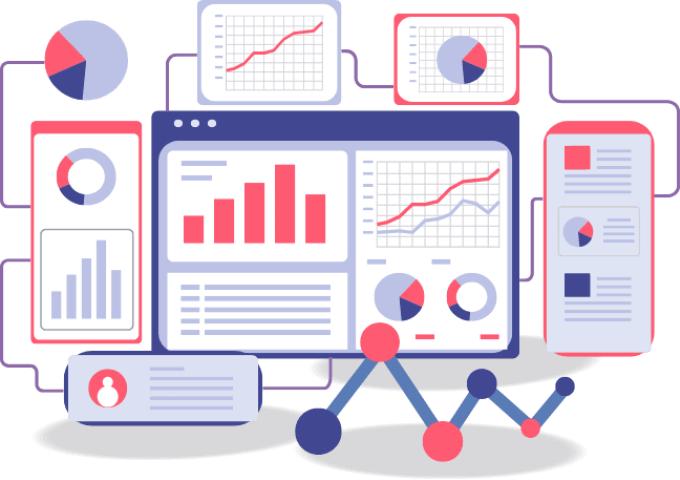
A major advantage of online marketing is the ability to track results accurately. From the moment a customer views an ad or clicks on a post, every action can be measured and analyzed. This helps businesses improve their strategy based on actual customer behavior rather than assumptions.
For instance, analytics tools can show:
Which campaigns bring the highest number of leads
What type of content do customers interact with the most
Which age groups or locations respond best to certain ads
Such insights help businesses refine their message, understand customer needs deeply, and allocate budgets more intelligently.
Search Visibility and Customer Trust
Another critical aspect of online success is search visibility. When customers search for products or services online, they expect to see reputable businesses appear at the top. This is where the strength of digital marketing plays a crucial role, allowing brands to optimize their content, improve website structure, and publish valuable information that matches user intent,supported by ethical link building
High search rankings not only increase traffic but also build trust. Customers naturally assume that businesses appearing at the top are more reliable and established. This perception alone can significantly impact purchase decisions and long-term customer loyalty.
Content as the Foundation of Online Engagement
Content remains the heart of every successful online strategy. Businesses today rely heavily on articles, videos, blogs, infographics, podcasts, and interactive media to communicate their value and educate potential customers.
Quality content not only demonstrates expertise but also solves customer problems. When a business consistently provides helpful information, users develop a sense of trust that goes beyond simple advertising. This trust leads to stronger brand recognition and higher conversions.
Content also boosts social engagement, fuels search optimization, and drives long-term results. Unlike paid ads, high-quality content continues attracting audiences long after it is published, making it a sustainable growth asset.
Personalization and Customer Experience
One of the biggest strengths of digital strategies is personalization. Customers expect experiences tailored to their interests, needs, and buying behavior. Online channels allow businesses to deliver customized messages, product recommendations, and targeted offers.
A personalized experience can significantly improve customer satisfaction, retention, and loyalty. It helps customers feel valued and understood, leading to longer relationships and stronger brand affinity.
Digital Strategy as a Competitive Advantage
In an era where customers make decisions quickly, businesses need more than a good product — they need visibility, credibility, and a strong online voice. With the fok959s-m model, the companies that invest in strategic digital approaches outperform those relying solely on traditional methods.
A well-designed online strategy enhances reputation, boosts conversions, increases customer engagement, and ensures long-term sustainability. More importantly, it allows businesses to adapt quickly to trends, stay relevant, and maintain a strong market presence.
As businesses grow, they often integrate advanced tools, automation, and data-driven insights into their operations. These improvements strengthen decision-making and streamline processes, ensuring that marketing efforts remain consistent and effective.
The Future of Online Marketing
The future belongs to businesses that embrace digital transformation. Customer behaviors will continue shifting toward online interaction, making digital channels even more important in the coming years. As AI, automation, and analytics continue evolving, businesses will gain more advanced tools to understand their audiences and deliver highly personalized experiences.
Brands that invest in learning, adapting, and improving their online strategies will always stay ahead. Those who ignore digital shifts risk losing visibility, customer trust, and long-term growth opportunities.
In the end, the strength of a business in today’s world lies in how well it connects with people online. Through the right use of digital marketing, companies can expand their reach, communicate their value clearly, and build lasting relationships with their audience. This foundation will continue shaping the future of business growth and customer engagement worldwide.