Web3 development companies create tokenized digital economies by building blockchain systems that convert real-world and digital assets into tradable tokens. These companies develop smart contracts, token standards, and decentralized platforms that allow businesses to issue digital tokens representing ownership of property, currency, collectibles, or access rights. Tokenization makes assets divisible, tradable 24/7, and accessible to global investors while reducing transaction costs and eliminating traditional financial intermediaries from the buying and selling process.
Understanding the Tokenized Economy
The tokenized economy represents a shift in how we own, trade, and interact with assets. Instead of paper certificates, bank accounts, or physical possession proving ownership, blockchain tokens provide verifiable digital proof that anyone can authenticate independently.
Tokenization works by creating digital representations of assets on a blockchain. A commercial building worth $10 million can be divided into 10 million tokens at $1 each. Investors buy tokens representing fractional ownership. Smart contracts automatically distribute rental income proportionally to token holders. Trading happens on digital exchanges rather than through lengthy legal processes.
This approach democratizes investment opportunities previously available only to wealthy individuals or institutions. Someone with $100 can invest in real estate, fine art, or startup equity. Markets operate continuously without geographic restrictions. Settlement happens instantly rather than taking days or weeks.
Beyond investment assets, tokens power entire digital economies. Gaming tokens let players earn money playing. Social media tokens reward content creators directly from their audience. Governance tokens give users voting rights in platform decisions. Utility tokens provide access to services without traditional payment processors.
Web3 Development Company Building Token Infrastructure
Web3 development companies create the technical foundation that makes tokenization possible. They design token standards, build minting platforms, develop smart contracts for token distribution, and create exchanges where tokens trade.
Token Standard Development
Different tokens serve different purposes and require appropriate technical specifications. Fungible tokens like cryptocurrencies use standards where each token is identical and interchangeable. Non-fungible tokens (NFTs) use standards that make each token unique and non-interchangeable.
ERC-20 defines fungible tokens on Ethereum. Each token has the same value. If you have 10 tokens and someone else has 10 tokens, you could swap them with no difference in value. This standard works for currencies, loyalty points, and voting tokens.
ERC-721 defines non-fungible tokens. Each token has unique properties and values. This standard works for digital art, property titles, event tickets, and collectibles where uniqueness matters.
ERC-1155 combines both approaches. A single smart contract can manage multiple token types—both fungible and non-fungible. This efficiency reduces deployment costs and simplifies management for platforms handling various token types.
Web3 development companies choose or customize token standards based on specific use cases. They implement additional features like pausability for emergencies, burn mechanisms to reduce supply, or snapshot functions for governance voting.
Smart Contract Development for Token Economics
Token economies need smart contracts that handle minting, burning, transfers, and complex distribution logic. These contracts enforce rules automatically without requiring trusted intermediaries.
Vesting contracts release tokens gradually over time. Team members and early investors receive tokens on schedules that prevent immediate selling that could crash token prices. The contract holds tokens and releases them according to predetermined timelines.
Staking contracts lock tokens in exchange for rewards. Users commit tokens for specified periods and earn additional tokens as interest. This reduces circulating supply, stabilizes prices, and rewards long-term holders over short-term traders.
Distribution contracts handle airdrops, rewards, and incentive programs. They verify eligibility, calculate allocations, and transfer tokens automatically. A protocol might reward users based on their activity level, automatically distributing tokens to active participants.
These contracts must handle edge cases and prevent exploitation. Poorly designed token economics can lead to hyperinflation, liquidity crises, or manipulation by bad actors. Professional development includes economic modeling and security auditing to prevent these failures.
Tokenization of Real-World Assets
Physical assets gain liquidity and accessibility through tokenization. Real estate, commodities, art, and other tangible assets can be divided into tokens that trade globally.
Real Estate Tokenization Solutions
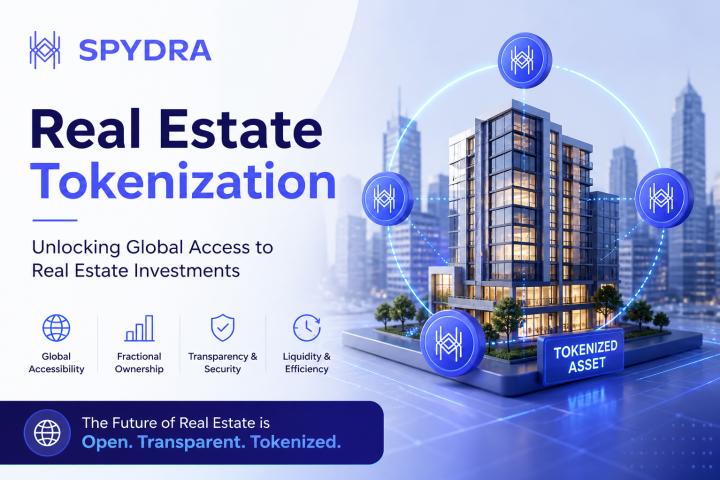
Real estate traditionally requires large capital commitments and involves illiquid markets. Tokenization changes this by allowing fractional ownership and creating liquid secondary markets.
A property owner creates tokens representing ownership shares. These tokens include rights to rental income and property appreciation. Investors purchase tokens through a blockchain platform. Smart contracts automatically distribute monthly rental payments to token holders.
When token holders want to exit, they sell on secondary markets rather than waiting for the entire property to sell. This liquidity makes real estate investment more flexible and accessible.
Property management remains centralized—someone still maintains the building, finds tenants, and handles repairs. Tokenization changes ownership structure and investment access, not physical property management.
Regulatory compliance is critical. Real estate tokens are securities in most jurisdictions and must comply with securities laws. Platforms implement KYC verification, accredited investor checks, and transfer restrictions that meet regulatory requirements.
Commodity and Precious Metal Tokenization
Gold, silver, oil, and agricultural products can be tokenized, allowing trading without physical transfer. Each token represents a claim on physical commodities stored in secure facilities.
A gold token might represent one gram of gold held in a vault. Token holders can trade these claims instantly. When they want physical delivery, they redeem tokens for the underlying commodity.
This combines benefits of physical ownership with digital trading convenience. Investors gain exposure to commodity prices without storage and security concerns. Trading happens 24/7 without commodity exchange restrictions.
Verification mechanisms prove that physical assets back tokens. Regular audits, insurance, and transparent reporting build trust that tokens truly represent claimed commodities.
Building Decentralized Finance Platforms
DeFi platforms use tokens to recreate financial services without banks. Web3 development companies build lending protocols, decentralized exchanges, derivatives markets, and yield farming platforms powered by token economics.
Decentralized Lending and Borrowing
Lending platforms connect borrowers and lenders through smart contracts. Users deposit tokens into lending pools and earn interest. Borrowers provide collateral and take loans from these pools.
Interest rates adjust automatically based on supply and demand. High borrowing demand increases rates, attracting more lenders. Low demand decreases rates, encouraging more borrowing.
Smart contracts manage everything automatically. They calculate interest continuously, liquidate undercollateralized positions, and distribute earned interest to lenders. No loan officers review applications. No credit checks restrict access.
Flash loans showcase unique capabilities only possible with blockchain. Borrowers take uncollateralized loans that must be repaid within a single transaction. If repayment doesn't occur, the entire transaction reverts as if the loan never happened. This enables arbitrage and liquidation strategies impossible in traditional finance.
Liquidity Pool Creation
Decentralized exchanges need liquidity to function. Liquidity pools solve this by letting anyone provide trading liquidity and earn fees.
Users deposit token pairs into pools—for instance, ETH and USDC. Traders swap between these tokens, paying a fee. The pool divides fees among liquidity providers proportional to their contribution.
Automated market makers use mathematical formulas to price trades based on pool balances. As trades occur, prices adjust to maintain equilibrium. This creates markets without order books or centralized market makers.
Liquidity providers face impermanent loss when token prices diverge. If you deposit tokens at one price ratio and withdraw at a different ratio, you might have fewer total dollars than simply holding the tokens. Trading fees must exceed this loss for providing liquidity to profit.
Web3 development companies build sophisticated pool designs that minimize impermanent loss and optimize fee structures. Concentrated liquidity lets providers focus capital on specific price ranges for higher capital efficiency.
Yield Optimization Strategies
Yield farming involves moving tokens between DeFi protocols to maximize returns. Users lend tokens, provide liquidity, stake in governance, or participate in liquidity mining programs.
Yield aggregators automate this process. Smart contracts monitor yields across multiple platforms and automatically move user funds to highest-earning opportunities. They harvest rewards, compound earnings, and rebalance positions.
These strategies can multiply returns significantly compared to holding tokens idle. They also add complexity and risk. Smart contract vulnerabilities, impermanent loss, and market volatility can eliminate gains or cause losses.
Professional development of yield strategies includes risk management features. Position limits prevent overexposure to any single protocol. Stop-loss mechanisms exit positions during adverse conditions. Diversification spreads risk across multiple platforms.
NFT Marketplace Development
NFTs create digital scarcity and ownership for unique items. Web3 development companies build marketplaces where users mint, buy, sell, and trade NFTs.
Primary and Secondary Market Platforms
Primary markets let creators mint and sell original NFTs. Artists upload artwork, set prices or auction parameters, and deploy smart contracts that create tokens. Buyers purchase directly from creators.
Secondary markets facilitate resales between users. Someone who bought an NFT can list it for resale. Smart contracts automatically pay royalties to original creators on each resale—a feature impossible with traditional art sales.
Marketplaces provide discovery, reputation systems, and transaction facilitation. They host metadata and media files (or links to decentralized storage). They verify authenticity and track provenance—the complete ownership history of each NFT.
Different marketplaces serve different niches. Some focus on digital art. Others specialize in gaming items, virtual real estate, domain names, or collectibles. Specialized platforms better serve specific communities than generalized marketplaces.
Auction Mechanisms and Pricing Models
NFT sales use various mechanisms beyond simple fixed prices. English auctions let bidders compete, driving prices up. Dutch auctions start high and decrease until someone buys. Sealed bid auctions keep bids private until the auction ends.
Bonding curves set prices algorithmically based on supply. Each successive token costs more than the previous one. This creates predictable pricing and automatic liquidity.
Lazy minting defers blockchain transactions until purchase. Creators list NFTs without paying gas fees upfront. The smart contract mints tokens only when someone buys. This reduces barriers for creators while maintaining security and authenticity.
These mechanisms affect how creators monetize work and how collectors acquire pieces. Development companies implement appropriate mechanisms for specific marketplace goals and user bases.
Token Governance Systems
Many tokenized platforms use governance tokens to decentralize decision-making. Token holders vote on protocol upgrades, parameter changes, and treasury spending.
Voting Mechanisms and Proposal Systems
Governance starts with proposal creation. Token holders with sufficient holdings can submit proposals describing changes and their rationale. Other holders discuss proposals before voting begins.
Voting weight usually corresponds to token holdings—more tokens mean more votes. Some systems use quadratic voting where voting power increases with the square root of holdings, reducing whale dominance.
Quorum requirements prevent decisions with low participation. A minimum percentage of tokens must vote for proposals to pass. This ensures decisions have community support rather than being decided by a small active minority.
Time locks delay proposal implementation after passing. This gives opponents time to exit if they strongly disagree with decisions. It also prevents rushed changes from exploiting temporary situations.
Treasury Management
DAOs (Decentralized Autonomous Organizations) hold treasuries funded by protocol fees or token sales. Governance determines how these funds are spent.
Common uses include development grants, marketing campaigns, liquidity incentives, and protocol partnerships. Token holders submit proposals requesting funding for specific initiatives. The community votes on allocation.
Multi-signature wallets protect treasury funds. Multiple keyholders must approve spending, preventing single points of failure. Smart contracts can automate recurring payments while requiring governance approval for large or unusual expenditures.
Transparent accounting shows how funds are used. All transactions are visible on-chain. Regular reporting updates the community on treasury status and spending outcomes.
Cross-Chain Token Bridges
Users hold tokens on multiple blockchains. Bridges allow moving tokens between networks, increasing utility and liquidity.
Bridge Architecture and Security
Bridges lock tokens on one chain and issue equivalent tokens on another. When you bridge tokens back, the process reverses—tokens are burned on the destination chain and unlocked on the source chain.
Different bridge designs balance decentralization and security differently. Custodial bridges use trusted parties to hold locked assets. Non-custodial bridges use smart contracts and cryptographic proofs to verify cross-chain transactions.
Light client bridges verify blockchain states directly, providing maximum security but requiring significant technical complexity. Optimistic bridges assume transactions are valid unless challenged, offering better performance with slightly reduced security.
Security is paramount. Bridge hacks have resulted in hundreds of millions in losses. Multiple verification layers, monitoring systems, and gradual rollouts minimize risk during bridge deployment and operation.
Liquidity Management Across Chains
Bridges need liquidity on both chains to function efficiently. Liquidity providers deposit tokens on multiple chains. They earn fees from bridge users and face risks from price divergence and bridge exploits.
Rebalancing mechanisms move liquidity to chains with high demand. Automated systems or governance can adjust incentives to attract liquidity where needed.
Users choose bridges based on fees, speed, security, and supported chains. Competition between bridges improves service and reduces costs over time.
Token Distribution Strategies
How tokens are initially distributed affects project success significantly. Web3 development companies design distribution mechanisms that align stakeholder incentives and build engaged communities.
Initial Exchange Offerings and Token Sales
Projects sell tokens to raise development funds and distribute initial supply. Public sales let anyone participate. Private sales offer better terms to early investors or strategic partners.
Fair launches distribute tokens without preferential terms or pre-mines. Everyone has equal opportunity to acquire tokens. This builds community goodwill but doesn't provide upfront development funding.
Vesting schedules prevent immediate selling by teams and investors. Tokens unlock gradually over months or years. This aligns long-term interests and prevents price crashes from early exits.
Sale mechanisms include fixed prices, bonding curves, and Dutch auctions. Each affects price discovery and accessibility differently. The right mechanism depends on project goals and target participants.
Airdrop Campaigns and Incentive Programs
Airdrops distribute free tokens to users who meet certain criteria. This rewards early adopters, builds communities, and decentralizes ownership.
Retroactive airdrops reward users who used a protocol before tokens existed. A decentralized exchange might airdrop governance tokens to everyone who traded on the platform. This recognizes early supporters and gives them governance power.
Activity-based airdrops reward ongoing participation. Complete tasks, refer friends, or provide liquidity to earn tokens. These incentivize behaviors that help protocols grow.
Sybil resistance prevents farming airdrops with multiple accounts. Verification methods include proof-of-humanity systems, wallet history analysis, and social graph verification.
Regulatory Compliance for Tokenized Assets
Tokens often fall under securities regulations. Web3 development companies implement compliance features that satisfy regulatory requirements while maintaining blockchain benefits.
KYC and AML Integration
Know Your Customer (KYC) processes verify user identities. Anti-Money Laundering (AML) screening checks users against sanctions lists and monitors transactions for suspicious patterns.
Blockchain's transparency helps compliance. All transactions are recorded permanently and can be audited. Compliance platforms analyze blockchain data to detect suspicious activity.
Privacy-preserving KYC solutions verify credentials without revealing unnecessary personal information. Zero-knowledge proofs confirm identity requirements are met without disclosing underlying data.
Regulatory requirements vary by jurisdiction. Platforms must adapt compliance measures to where they operate and who they serve.
Transfer Restrictions and Whitelisting
Security tokens often restrict who can hold them and under what conditions. Smart contracts enforce these restrictions automatically.
Whitelists limit token transfers to approved addresses. Users complete KYC before being added. Transfers to non-whitelisted addresses fail automatically.
Lock-up periods prevent transfers for specified times. Early investors might face six-month or one-year restrictions. The smart contract blocks transfers until lock-ups expire.
Jurisdiction restrictions prevent transfers to addresses in certain countries. This helps compliance with regional regulations and sanctions.
These features add complexity but enable tokenization of regulated assets that couldn't otherwise exist on blockchain.
Gaming Economies and Play-to-Earn Models
Blockchain games use tokens to create player-owned economies. Players earn cryptocurrency playing games and trade items as NFTs.
In-Game Currency Design
Games need multiple token types for functioning economies. Governance tokens let players vote on game development. Utility tokens facilitate in-game transactions. NFTs represent unique items.
Token earning rates must balance with spending opportunities. Too much earning without spending sinks creates inflation. Too much spending without earning creates scarcity that prevents new player entry.
Token sinks remove currency from circulation. Crafting items, entering tournaments, or accessing content might burn tokens permanently. This counteracts inflation from ongoing token generation.
Balancing game fun with economic sustainability is challenging. Pure play-to-earn can feel like work rather than entertainment. Successful games blend engaging gameplay with economic opportunities rather than making earning the only focus.
Item Crafting and Trading Systems
NFT items have various rarities and attributes. Players collect resources, craft items, and trade on marketplaces. True ownership means items retain value even if developers stop supporting games.
Crafting burns resources and sometimes existing items. This creates deflationary pressure balancing new item generation. Rare crafting recipes require uncommon materials, creating tiered economies.
Player-driven markets determine item values. Popular items command higher prices. Players specialize in different activities—some farm resources, others craft items, others trade for profit.
Interoperability lets items work across multiple games. An item from one game might provide benefits in another. This requires technical coordination and compatible game economies.
Web3 Development Company Services for Token Projects
Building successful tokenized platforms requires expertise across blockchain development, economics, legal compliance, and community building.
Token Smart Contract Development
Core development includes writing, testing, and auditing smart contracts. Developers implement token standards, add custom features, and optimize for gas efficiency.
Testing identifies bugs before deployment. Automated tests check contract behavior under various conditions. Formal verification mathematically proves contracts meet specifications.
Security audits by independent firms provide additional review. Multiple auditors catch issues others miss. Public audit reports build user confidence.
Post-deployment monitoring watches for unusual activity. If issues arise, emergency response plans activate to minimize damage.
Economic Modeling and Tokenomics Design
Successful tokens need sound economic design. This includes supply schedules, distribution mechanisms, utility creation, and incentive alignment.
Economic modeling simulates token performance under various scenarios. What happens if adoption grows quickly? If markets crash? If whales accumulate large holdings? Models identify potential problems before launch.
Utility design ensures tokens have clear use cases beyond speculation. Tokens might grant governance rights, provide access to services, or capture protocol revenue.
Incentive alignment ensures different stakeholder groups benefit from protocol success. Users, developers, investors, and partners should all win when the project succeeds.
Community Building and Token Launch
Technical excellence means nothing without adoption. Community building creates awareness and engagement before and after launch.
Pre-launch activities include content creation, social media engagement, and ambassador programs. Early community members become advocates who help projects grow.
Launch coordination involves exchange listings, liquidity provision, and marketing campaigns. Successful launches create momentum that attracts broader attention.
Post-launch community management maintains engagement. Regular updates, governance participation, and continued development keep communities active and invested.
Future of Tokenized Digital Economy
Tokenization continues expanding into new asset classes and use cases. Several trends shape the future of tokenized economies.
Real-World Asset Expansion
More traditional assets will be tokenized. Stocks, bonds, and funds become more accessible through fractionalization and continuous trading.
Private company equity tokens let employees and early supporters trade shares before public offerings. This creates liquidity for private markets historically locked up until acquisitions or IPOs.
Intellectual property tokenization lets creators sell fractional ownership of patents, copyrights, and trademarks. Investors share in royalty streams from these assets.
Identity and Reputation Tokens
Soulbound tokens—NFTs that can't be transferred—will represent identity and credentials. Your education, work history, and skills become verifiable blockchain records.
Reputation systems use tokens to track trustworthiness across platforms. Good behavior earns reputation. Bad behavior costs it. This creates portable social credit that follows users everywhere.
These identity systems preserve privacy while enabling verification. Prove you're qualified without revealing your complete history.
Carbon Credits and Environmental Tokens
Climate initiatives use tokens for carbon credits and renewable energy certificates. Companies buy tokens to offset emissions. Token purchases fund environmental projects.
Blockchain transparency prevents double counting and fraud common in traditional carbon credit markets. Every credit's origin and retirement is permanently recorded.
This creates liquid markets for environmental assets and makes climate action more efficient and verifiable.
Conclusion
Web3 development companies are building infrastructure for tokenized digital economies that change how we own, trade, and interact with assets. By converting real-world and digital assets into blockchain tokens, they create markets that are more accessible, liquid, and transparent than traditional alternatives.
Tokenization democratizes investment by enabling fractional ownership. It creates new revenue models for creators through automated royalties. It builds player-owned game economies where participation generates real income. It enables decentralized finance that operates without banks.
Success requires technical expertise in blockchain development, economic understanding of token design, and legal knowledge of compliance requirements. Projects must balance decentralization ideals with practical considerations around security, performance, and regulation.
The tokenized economy is still developing. Infrastructure improves continuously. Regulations become clearer. User experiences get simpler. As these pieces fall into place, tokenization will extend into more industries and use cases, creating a more inclusive and efficient global economy built on blockchain technology. Hire Web3 Experts Today, Begin Development Immediately!