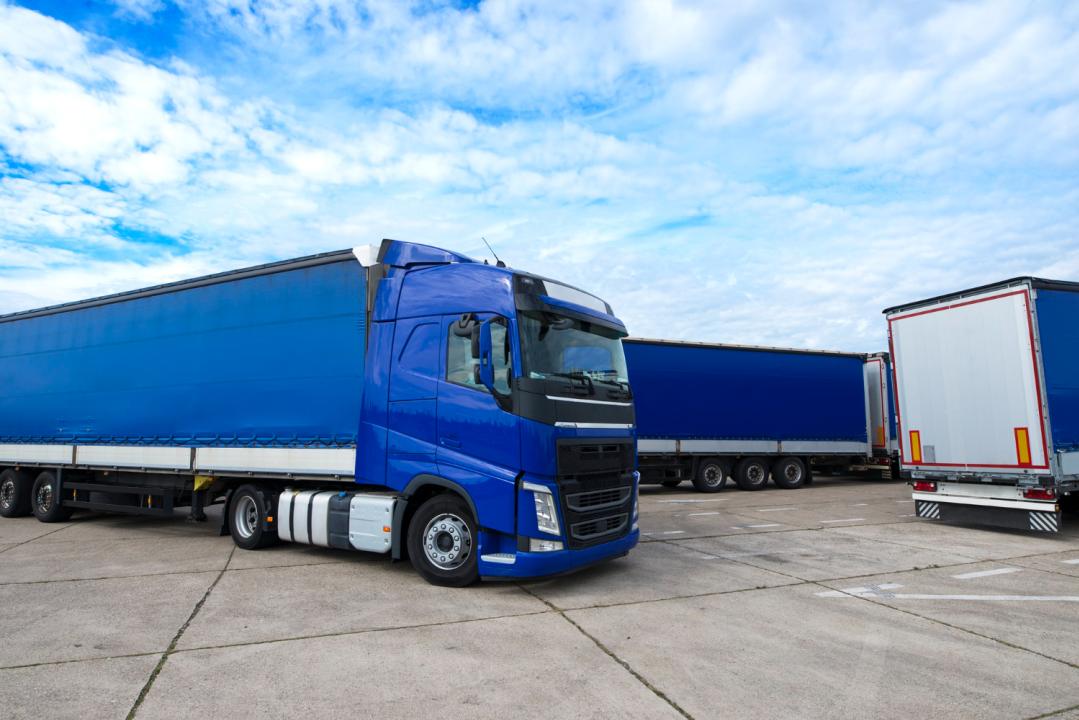
The trucking industry is evolving faster than ever before. From advanced safety systems to electric trucks and AI-powered logistics, technology is reshaping how goods move across the world. For truck drivers, fleet owners, and anyone exploring How to Start a Trucking Company, understanding these trends is crucial for staying competitive in the years ahead. The future of truck driving promises greater efficiency, improved safety, and smarter operations.
1. Autonomous and Semi-Autonomous Trucks
One of the biggest breakthroughs in trucking is autonomous driving technology. While fully driverless trucks are not yet widespread, semi-autonomous systems are already being used. These trucks can maintain lane position, manage speed, and even adjust distance automatically.
Key advantages include:
Reduced driver fatigue
Lower operational costs
Improved safety through precise vehicle control
However, drivers will still be essential for decision-making, handling complex road situations, and supervising the vehicle. Autonomous systems will support—not replace—human drivers in the foreseeable future.
2. Electric and Zero-Emission Trucks
With rising concerns about climate change, the trucking industry is moving toward cleaner transportation. Electric trucks from major brands like Tesla, Volvo, and Freightliner are entering the market. These vehicles offer:
Zero tailpipe emissions
Lower fuel and maintenance costs
Quiet operation
Improved torque and performance
Charging infrastructure is expanding globally, making electric trucking more practical. Hydrogen-powered trucks are also emerging as a strong alternative for long-haul freight due to fast refueling times.
3. Digital Fleet Management and Telematics
Technology is making fleet management smarter than ever. Modern trucks come with built-in telematics systems that track:
Vehicle location
Fuel consumption
Driver behavior
Maintenance needs
Real-time traffic and route updates
Fleet managers can use this data to optimize routes, reduce costs, and ensure timely deliveries. Such systems also help enforce regulations like How Many Hours Can a Truck Driver Drive?, by automatically tracking drive times and rest hours.
4. Advanced Safety Features
Safety remains a top priority in future truck designs. New trucks now include:
Collision avoidance systems
Blind-spot detection
Lane departure alerts
Adaptive cruise control
Tire pressure monitoring
Stability control sensors
These features significantly reduce accidents and make long-distance driving much safer. As technology improves, trucks will become even more reliable on the road.
5. AI-Driven Logistics and Predictive Maintenance
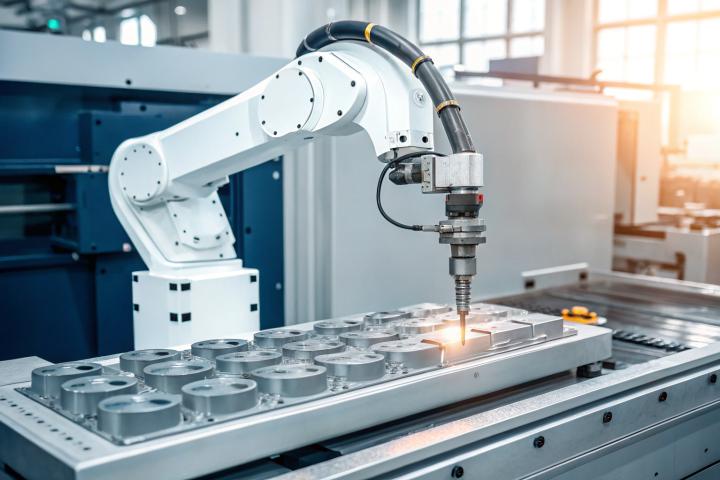
Artificial Intelligence is transforming logistics management. AI-powered software can analyze data and predict:
The fastest route
The best loading schedule
When a truck needs maintenance
Fuel-saving strategies
Predictive maintenance helps reduce breakdowns and prevents expensive repairs by detecting issues early. AI also improves supply chain efficiency and ensures smoother operations.
6. Enhanced Training and Virtual Reality (VR)
Future truck drivers may learn using advanced simulation tools. VR training programs allow drivers to practice:
Emergency situations
Bad weather driving
Narrow road navigation
Heavy-traffic scenarios
This technology provides realistic, safe training environments and reduces the learning curve for new drivers.
7. Increased Demand for Skilled Drivers
Even with automation, skilled human drivers will remain essential. The industry continues to face a shortage of qualified drivers, creating strong job opportunities. Drivers trained in new technologies will be in especially high demand.
Conclusion
The future of truck driving is shaping up to be smarter, safer, and more efficient. From autonomous technology to electric power and AI-driven logistics, the industry is undergoing major transformation. Instead of replacing drivers, technology will empower them, reducing fatigue, improving safety, and increasing productivity.