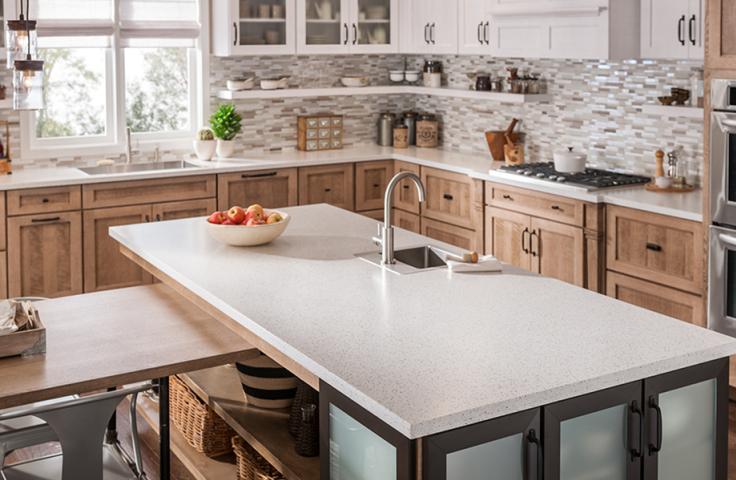
In the bustling environment of institutional canteens, where efficiency meets high traffic, the selection of countertop material becomes a critical decision with far-reaching implications. Among the various options available, acrylic solid surface has emerged as the definitive choice for these demanding environments. This material offers a unique combination of practical benefits that directly address the specific challenges faced by canteen operations, from corporate cafeterias to school lunchrooms and hospital dining areas.
Superior Hygiene and Seamless Integration
The fundamental advantage of acrylic solid surface in canteen applications lies in its non-porous nature and seamless integration capabilities. Unlike natural stone or laminated surfaces that contain microscopic pores and seams, acrylic solid surface presents a completely impermeable barrier against moisture, bacteria, and food particles. This characteristic proves invaluable in maintaining food safety standards and preventing bacterial growth.
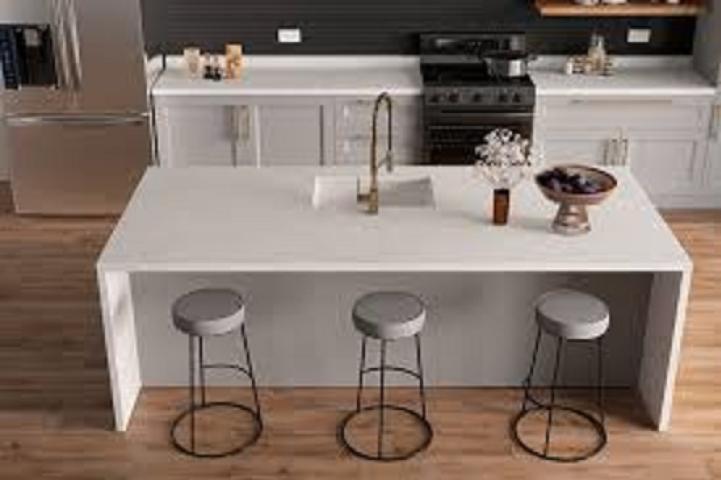
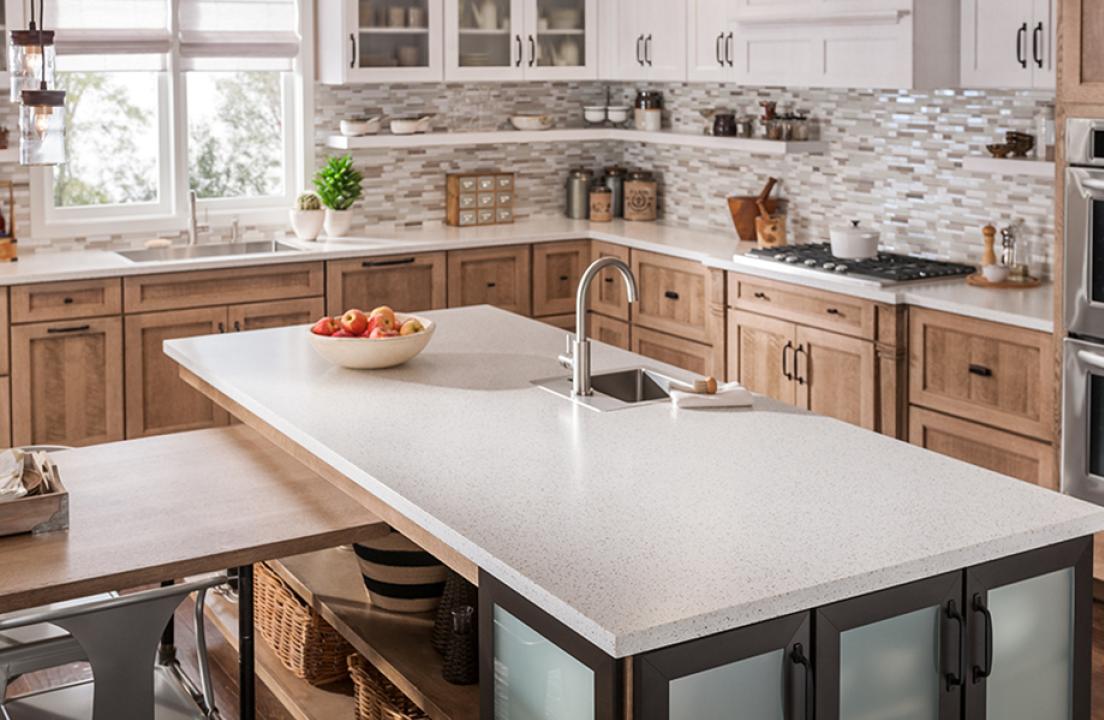
The material's seamless quality extends beyond the countertop surface to include integrated sink bowls and backsplashes. Through thermal fusion techniques, fabricators can create one-piece units that eliminate the crevices and joints where germs typically accumulate. This seamless integration transforms the entire food preparation and serving area into a hygienic surface that can be thoroughly cleaned with simple wiping, without worrying about hidden contamination points in seams or joints.
Exceptional Durability and Renewable Surface
Canteen countertops face constant abuse from heavy trays, food service equipment, and high-volume usage throughout the day. Acrylic solid surface possesses remarkable durability against impacts, stains, and daily wear. The material's inherent flexibility allows it to withstand the knocks and bumps that would chip or crack more rigid materials like quartz or granite.
Perhaps the most significant advantage in high-traffic canteen environments is the material's renewable quality. Unlike many other countertop materials that require replacement when damaged, acrylic solid surface can be restored to like-new condition through simple sanding and polishing techniques. Scratches, stains, or even minor burns can be systematically removed without compromising the surface integrity or appearance. This renewable characteristic dramatically extends the service life of the countertops, providing exceptional long-term value for institutional budgets.
Design Versatility and Customisation
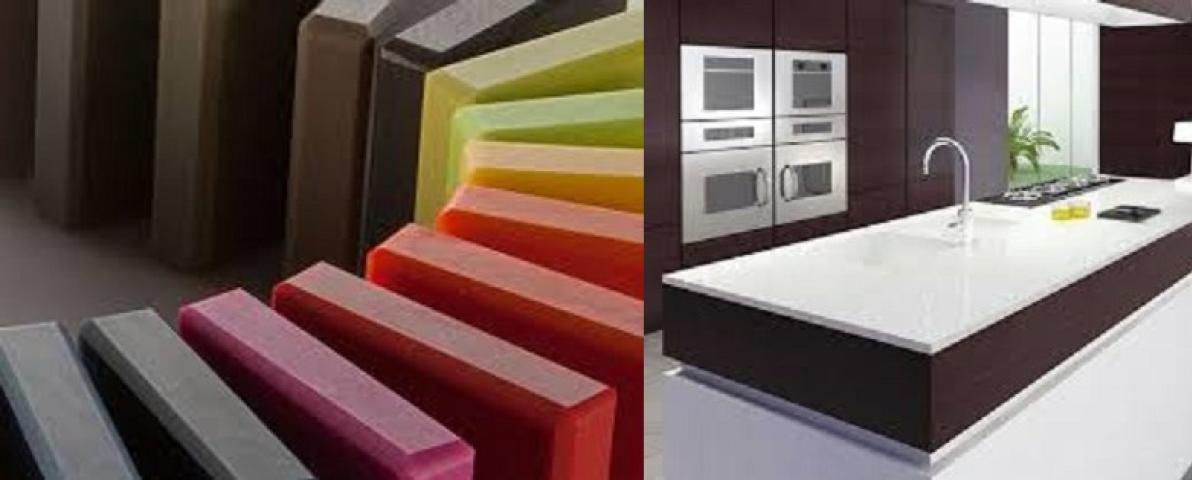
The manufacturing process of acrylic solid surface sheets allows for extensive design flexibility, enabling canteen designers to create functional yet aesthetically pleasing environments. Available in hundreds of colours and patterns, the material can be customised to match institutional branding or create specific atmospheres within dining areas. From bright, energetic colours for school canteens to sophisticated, neutral tones for corporate settings, the design possibilities are virtually limitless.
This versatility extends to functional design elements as well. Acrylic solid surface can be fabricated to include integrated drain boards, custom-shaped serving areas, and specially designed corners that maximise space utilisation. The material can be curved and moulded to create ergonomic edges and transitions, enhancing both safety and visual appeal in high-traffic canteen environments.
Low Maintenance and Easy Repair
The practical demands of canteen operations require surfaces that can be quickly and effectively cleaned between meal services. Acrylic solid surface meets this need with straightforward maintenance requirements. Daily cleaning requires only mild soap and water, while more stubborn stains respond well to household cleaners without damaging the surface. This contrasts sharply with materials like wood that require special sealants or natural stone that needs periodic resealing and specific cleaning products.
When damage does occur, the repair process is remarkably straightforward. Unlike laminated surfaces that require complete replacement when damaged, acrylic solid surface can be spot-repaired without visible evidence of the repair. This capability minimises downtime and disruption to canteen operations, as repairs can often be conducted during off-hours without requiring extensive closure of serving areas.
Hygienic Properties and Food Safety
In institutional food service environments, maintaining strict hygiene standards is paramount. The non-porous nature of acrylic solid surface prevents the absorption of liquids and food particles that can lead to bacterial growth and cross-contamination. This characteristic makes the material particularly suitable for areas where food is prepared and served, as it supports compliance with food safety regulations and health department requirements.
The seamless nature of properly installed acrylic solid surface eliminates the grout lines and joints where bacteria typically thrive. This proves especially valuable in canteen settings where multiple food items are handled simultaneously and cleaning must be both efficient and effective. The material's resistance to common food service chemicals, including cleaning agents and food acids, ensures that the surface maintains its hygienic properties throughout years of heavy use.
Cost-effectiveness and Long-term Value
While the initial investment in acrylic solid surface may be higher than some conventional countertop materials, the long-term value proposition proves compelling for institutional canteens. The combination of exceptional durability, minimal maintenance requirements, and renewable surface characteristics results in significantly lower lifetime costs compared to materials that require frequent replacement or extensive maintenance.
The material's longevity in high-traffic environments means that institutions can expect decades of service from properly installed and maintained acrylic solid surface countertops. This extended service life, combined with the material's timeless appearance and ability to be refreshed through polishing, makes it an economically sound choice for facilities managers and administrators responsible for long-term budgeting and capital planning.
Environmental Considerations and Sustainability
Modern institutional canteens increasingly prioritise environmental responsibility in their material selections. Acrylic solid surface aligns with these values through several environmental attributes. Many manufacturers incorporate recycled content into their products, and the material itself is fully recyclable at the end of its service life. The long lifespan and renewable qualities further enhance the material's environmental profile by reducing the frequency of replacement and associated waste.
The manufacturing process for acrylic solid surface has evolved to incorporate more sustainable practices, including reduced water usage and improved energy efficiency. For institutions pursuing green building certifications or simply seeking to reduce their environmental footprint, acrylic solid surface represents a responsible choice that balances performance requirements with ecological considerations.
Practical Performance in Daily Operations
The real test of any canteen countertop material occurs during peak meal service periods. Acrylic solid surface excels in these demanding conditions through several practical performance characteristics. The material's thermal resistance protects against damage from hot serving pans, while its structural stability ensures consistent performance under heavy loads. The smooth, non-porous surface allows for quick cleanup between meal periods, supporting the rapid turnover required in busy canteen operations.
The material's consistent appearance and ability to hide minor scratches and stains ensure that canteens maintain a professional appearance throughout the day, even during continuous service. This practical performance, combined with the material's aesthetic versatility, creates dining environments that function efficiently while projecting an image of cleanliness and professionalism.
In conclusion, acrylic solid surface represents the optimal choice for canteen countertops based on its unique combination of hygienic properties, durability, maintenance efficiency, and long-term value. The material addresses the specific challenges of high-volume food service environments while providing design flexibility and practical performance that surpasses conventional countertop options. For institutions seeking to create canteen spaces that balance operational efficiency with aesthetic appeal, acrylic solid surface delivers a comprehensive solution that meets both immediate needs and long-term objectives.