
In today’s hyper-connected world, consumers interact with brands across countless digital touchpoints—from search engines and social media to email inboxes and mobile apps. As the online landscape grows more complex, businesses of all sizes face a critical challenge: how to stand out, stay relevant, and turn digital interactions into measurable business growth. This is where a digital marketing agency becomes an invaluable partner.
A digital marketing agency does far more than run ads or manage social media pages. It acts as a strategic extension of a business, guiding brands through the fast-changing digital ecosystem, deploying data-driven campaigns, and aligning online efforts with long-term business goals. Whether a company is a startup seeking visibility or an established enterprise aiming to scale, a digital marketing agency offers the expertise, tools, and insights needed to thrive.
Understanding What a Digital Marketing Agency Does
A digital marketing agency uses online channels to help businesses reach, attract, and convert customers. Unlike traditional marketing firms that focus on print, TV, and radio, digital agencies specialize in leveraging the internet’s capabilities—real-time analytics, targeted advertising, automation, and interactive platforms.
Key services typically include:
1. Search Engine Optimization (SEO)
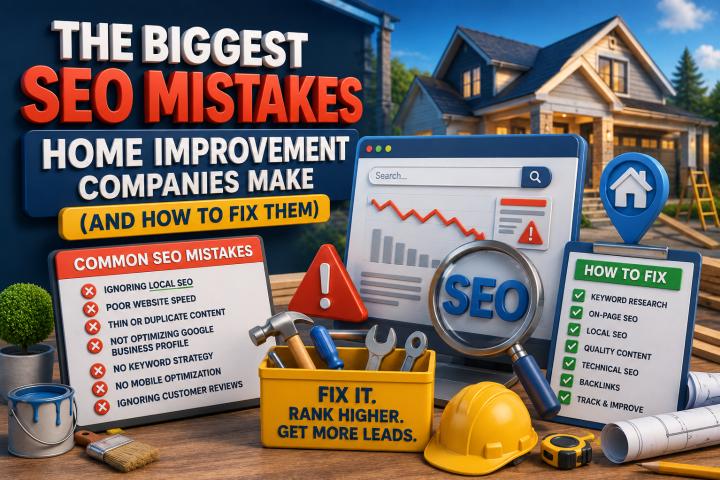
SEO is the backbone of digital visibility. A strong SEO strategy helps a brand rank higher on search engines, attract organic traffic, and build credibility. Agencies conduct keyword research, optimize website structure, improve site speed, build backlinks, and create content that aligns with user search intent. The result is a long-term, sustainable flow of high-quality traffic.
2. Pay-Per-Click (PPC) Advertising
PPC platforms like Google Ads, Meta Ads, and LinkedIn Ads enable agencies to deliver targeted traffic quickly. Digital marketing experts create optimized ad campaigns, manage budgets, analyze performance, and refine targeting strategies to maximize return on ad spend. PPC is crucial for lead generation, product launches, and remarketing.
3. Social Media Marketing
From Instagram to TikTok, social platforms shape how people discover and interact with brands. A digital marketing agency develops social media strategies that align with brand voice and audience behavior, producing engaging content, running paid social campaigns, and managing online communities.
4. Content Marketing
Content is the foundation of brand authority. Agencies produce blogs, videos, infographics, case studies, whitepapers, and more. High-quality content not only drives SEO performance but also nurtures leads and supports sales enablement.
5. Email Marketing and Automation
Email remains one of the highest-ROI channels in digital marketing. Agencies design automated email sequences, newsletters, and personalized campaigns that convert leads into customers and customers into loyal advocates. Automation tools ensure consistent, targeted communication at scale.
6. Website Design and Development
A business’s website is often its first impression. Agencies build mobile-responsive, visually appealing, user-focused websites optimized for conversions. They also offer ongoing maintenance, UX improvements, and landing page development for campaigns.
7. Analytics and Data Reporting
Data is at the heart of every effective digital strategy. Agencies use analytics tools to track user behavior, campaign performance, and customer journeys. These insights enable continuous optimization and smarter decision-making.
Why Businesses Need a Digital Marketing Agency
The digital world changes almost daily—new algorithms, platforms, technologies, and consumer expectations. For most businesses, keeping up is overwhelming without expert support. Here’s why partnering with a digital marketing agency is essential:
1. Access to Specialized Expertise
Digital marketing agencies employ experts in SEO, copywriting, analytics, design, social media, development, and paid advertising. Instead of relying on a single in-house marketer, businesses gain access to an entire team of specialists.
2. Cost-Effective Compared to In-House Teams
Hiring full-time marketers, designers, and strategists can be expensive. An agency offers a wider skill set for a fraction of the cost, with the flexibility to scale services as needed.
3. Advanced Tools and Technology
Agencies invest in best-in-class tools for keyword research, analytics, automation, A/B testing, CRM integration, and competitor insights. These tools—often too costly for small businesses to purchase independently—enable more precise and effective campaigns.
4. Focus on Core Business Activities
By outsourcing digital strategy, business owners and internal teams can focus on product development, operations, and customer service while the agency handles growth and marketing.
5. Faster Results Through Proven Strategies
Agencies bring established processes, industry benchmarks, and years of hands-on experience. This shortens the learning curve and accelerates positive outcomes.
How a Digital Marketing Agency Builds a Growth Strategy
Successful agencies don’t jump into campaigns blindly. They follow a structured, strategic approach that ensures every tactic supports broader business goals.
1. Discovery and Research
The agency begins by understanding the client’s business model, target market, competitors, and goals. This includes:
-
Competitor analysis
-
Market research
-
Audience segmentation
-
Brand evaluation
A strong foundation ensures all efforts are targeted and effective.
2. Strategy Development
Next, the agency designs a customized marketing plan. This includes:
-
SEO roadmaps
-
Advertising strategies
-
Content calendars
-
Social media plans
-
Budget allocation
Every element is tied to measurable KPIs such as lead volume, website traffic, or sales conversions.
3. Execution Across Multiple Channels
The agency’s team deploys campaigns across various platforms—search, social, email, and web. Consistency across channels helps maintain a strong brand presence.
4. Monitoring and Optimization
Digital marketing is never “set and forget.” Agencies continually monitor performance, refine targeting, tweak ad creatives, update content, and improve SEO techniques based on real-time data.
5. Reporting and Communication
Transparency is essential. Agencies provide detailed reports and insights, showing clients what’s working, what needs adjusting, and how strategies impact revenue growth.
Trends Shaping the Future of Digital Marketing Agencies
The digital landscape evolves quickly, and agencies must adapt to stay competitive. Some key trends include:
1. AI-Powered Marketing
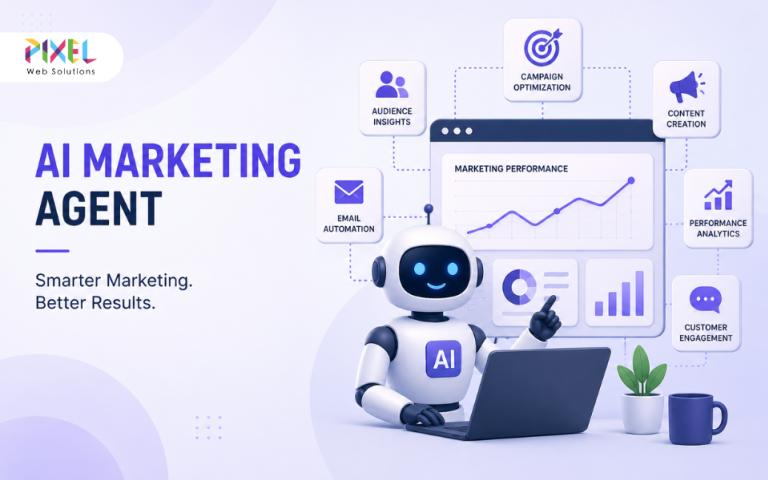
Artificial intelligence is transforming how agencies analyze data, personalize content, automate tasks, and optimize campaigns. From AI copywriting tools to predictive analytics, this technology enables smarter, faster decision-making.
2. Voice and Visual Search Optimization
As consumers increasingly use voice assistants and visual search tools, optimizing content for conversational queries and image recognition is becoming essential.
3. Privacy-First Marketing
With third-party cookies disappearing and regulations increasing, agencies must find ethical, privacy-focused ways to collect and use customer data—often relying on first-party data and contextual targeting.
4. Short-Form Video Dominance
Platforms like TikTok, Instagram Reels, and YouTube Shorts are leading the way in consumer engagement. Agencies are shifting towards creating short, impactful video content for brand storytelling.
5. Omnichannel Customer Experience
Consumers expect seamless interactions across all touchpoints. Digital marketing agencies are integrating CRM systems, automation platforms, and multi-channel strategies to ensure unified customer journeys.
Choosing the Right Digital Marketing Agency
Not all agencies are created equal. To find the right partner, businesses should evaluate:
-
Experience in their industry
-
Case studies and measurable results
-
Transparency in pricing and processes
-
Communication >
-
Range of services offered
-
Client testimonials and reviews
A great agency acts as a long-term partner, not just a service provider.
Conclusion: Empowering Business Growth in the Digital Age
In an era where digital presence defines brand success, a digital marketing agency plays a pivotal role in helping businesses navigate complexity, adopt innovative strategies, and achieve measurable growth. From SEO and PPC to content creation and analytics, agencies provide the expertise and resources needed to stay competitive and connect with modern consumers.
For organizations seeking to increase visibility, generate leads, build customer loyalty, or scale operations, partnering with a digital marketing agency is one of the most powerful investments they can make.