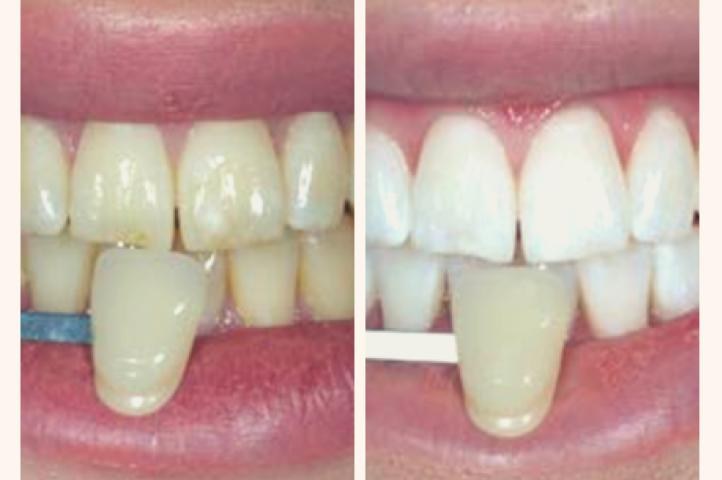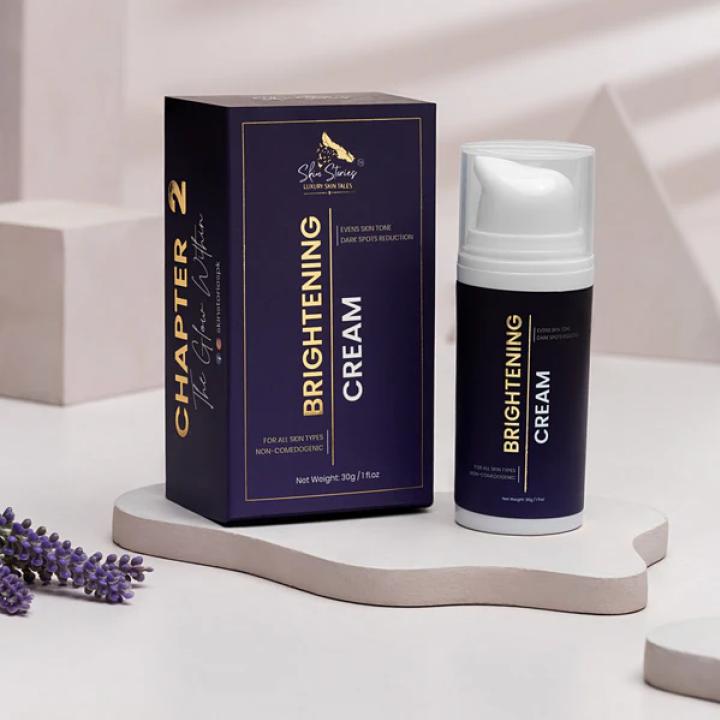
In a world where confidence is deeply connected to how we feel about our appearance, many people search for products that help them achieve smooth, glowing, and even-toned skin. Among these products, skin whitening cream has become one of the most popular choices for individuals looking to reduce dark spots, pigmentation, and uneven skin tone. But what exactly makes these creams so widely used, and how do they truly work?
Today, we explore the world of skin whitening cream—its benefits, ingredients, myths, and how to choose the best one for your skin.
Why Skin Whitening Cream Has Become So Popular
For many, achieving healthy and radiant skin isn’t about changing who they are—it’s about restoring confidence. Hyperpigmentation, acne scars, melasma, sun damage, and dark patches can make anyone feel insecure. A good skin whitening cream helps reduce these issues by targeting excess melanin, the pigment responsible for darkening of the skin.
People across the globe use whitening creams not just for lightening their complexion but for:
-
Brightening dull skin
-
Reducing dark spots
-
Fading acne scars
-
Balancing uneven skin tone
-
Improving overall texture and radiance
In simple words, a quality skin whitening cream is not about changing identity—it’s about revealing the skin’s natural luminosity.
How Skin Whitening Cream Works
Skin tone is determined by melanin, which protects us from UV rays. However, overproduction of melanin can lead to hyperpigmentation. A skin whitening cream works by slowing down this melanin production and encouraging the skin to naturally renew itself.
Most creams work in three ways:
1. Melanin Inhibition
Ingredients like niacinamide, alpha arbutin, and kojic acid prevent the enzyme that creates melanin from overworking, reducing pigmentation over time.
2. Exfoliation
Some whitening ingredients gently exfoliate dead skin, revealing brighter skin beneath. Examples include AHAs, BHAs, and mild fruit enzymes.
3. Hydration and Repair
Healthy skin is bright skin. Many whitening creams include moisturizers and antioxidants to improve the skin barrier and promote a smoother texture.
Key Ingredients You Should Look for
Not all skin whitening creams are created equal. The best ones include safe, dermatologist-approved ingredients. Here are some powerful skin brighteners used in quality skin whitening cream formulas:
Niacinamide (Vitamin B3)
A multitasking ingredient that boosts brightness, reduces acne scars, and improves firmness.
Alpha Arbutin
One of the safest skin-lightening ingredients, perfect for sensitive skin.
Kojic Acid
Great for pigmentation caused by sun exposure and aging.
Vitamin C
A powerful antioxidant that brightens skin and boosts collagen.
Licorice Extract
Known for its soothing and brightening abilities.
Hyaluronic Acid
Adds hydration for a plump, glowing appearance.
Retinol
Encourages faster skin cell turnover, revealing fresh, even-toned skin.
When choosing a skin whitening cream, look for these safe and effective ingredients instead of harsh chemicals.
Myths About Skin Whitening Cream—Debunked
Because of its popularity, countless myths surround skin whitening creams. Let’s debunk a few:
Myth 1: Whitening creams bleach the skin
Truth: Modern whitening creams do NOT bleach the skin. They reduce excess melanin and brighten naturally.
Myth 2: They are harmful for all skin types
Truth: Dermatologist-approved formulas with safe ingredients are suitable even for sensitive skin.
Myth 3: Results appear instantly
Truth: Skin transformation takes time. Most safe whitening skin cream products take 4–8 weeks to show visible improvement.
Myth 4: You cannot use them during the day
Truth: You CAN, but sunscreen is a must to protect results and prevent sun damage.
Who Should Use a Skin Whitening Cream?
A skin whitening cream is not only for those wanting lighter skin. It’s for anyone who wants:
-
A brighter complexion
-
Reduced dark circles
-
Fewer acne marks
-
Balanced skin tone
-
Reduced sun tanning
-
Increased radiance
Whether you are a student dealing with acne scars, a professional battling sun damage, or someone experiencing pigmentation due to hormonal changes, a whitening cream can help restore your skin’s natural glow.
How to Use Skin Whitening Cream for Best Results
To achieve maximum benefits:
Step 1: Cleanse Your Skin
Remove dirt and oil to ensure better absorption.
Step 2: Apply a Toner
This balances the skin and prepares it for treatment.
Step 3: Apply the Skin Whitening Cream
Use a small amount and gently massage it into your face and neck.
Step 4: Use Sunscreen (Daytime)
This step is non-negotiable. Whitening creams make your skin more sensitive to UV rays.
Step 5: Follow Consistently
Consistency is key for long-term results.
Choosing the Right Skin Whitening Cream
When selecting your cream, consider:
-
Your skin type (oily, dry, sensitive, combination)
-
Your goals (spot reduction, scar fading, overall whitening)
-
Ingredients (safe vs. harsh chemicals)
-
Brand reputation
-
User reviews
Avoid products containing hydroquinone or steroids unless prescribed by a dermatologist.
If you prefer natural options, look for creams enriched with plant extracts, vitamins, and gentle brighteners.
Final Thoughts
A well-formulated skin whitening cream is more than just a beauty product—it’s a confidence booster. It helps reduce imperfections, fade stubborn marks, and reveal the true radiance of your natural skin tone. When used correctly and consistently, it can transform dull and uneven skin into a bright, smooth, and glowing complexion.