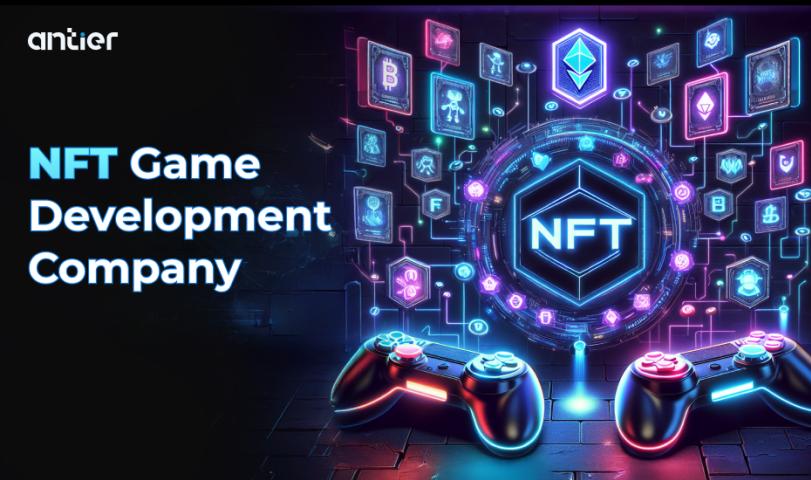
An NFT development company specializes in creating non-fungible tokens and building blockchain-based platforms where these digital assets can be minted, bought, sold, and traded. These companies help artists, brands, gaming studios, and businesses create unique digital items that exist on blockchain networks like Ethereum, Solana, or Polygon. They handle technical tasks including smart contract programming, marketplace creation, wallet integration, and security implementation. For someone new to this technology, these companies act as guides and builders who turn your ideas for digital collectibles, art, music, or virtual items into working blockchain products.
The NFT industry has attracted millions of users who collect digital art, trade gaming items, and invest in virtual property. If you're thinking about creating your own NFT project but lack coding skills or blockchain knowledge, working with specialized developers simplifies the entire process. This guide breaks down what these companies do, how they work, and what beginners need to know before starting an NFT project.
What Does an NFT Development Company Actually Do
NFT development companies perform multiple roles that turn concepts into functional digital asset platforms. Understanding their core functions helps beginners grasp how these services support different project types.
Building Smart Contracts for Digital Assets
Smart contracts are programs stored on blockchain networks that control how NFTs operate. Developers write code that defines rules for creating, transferring, and managing these digital items. When someone mints an NFT, the smart contract records ownership information permanently on the blockchain.
These contracts contain specific instructions about what happens during sales, transfers, or other interactions. A well-written contract prevents unauthorized changes and protects against common security problems. Developers test these contracts repeatedly before launching them to catch errors that could cause issues later.
Different blockchain networks require different programming languages. Ethereum uses Solidity, Solana prefers Rust, and other chains have their own requirements. Development companies know these languages and create contracts compatible with your chosen network.
Creating NFT Marketplaces From Scratch
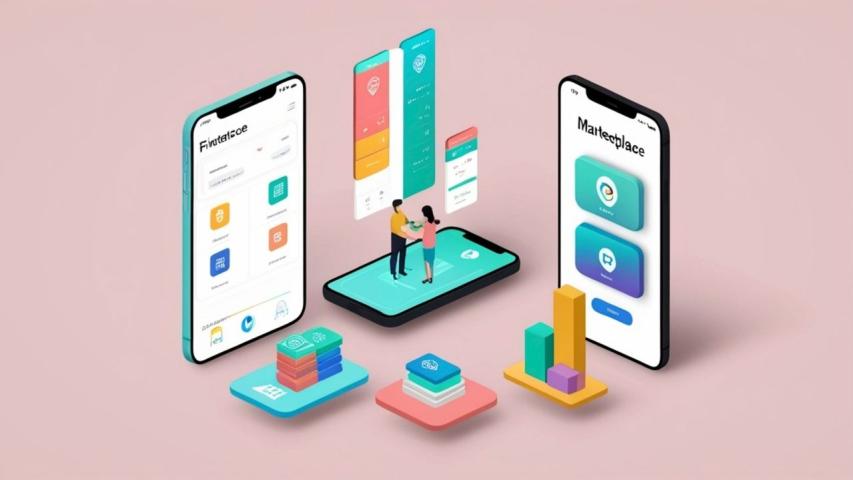
Marketplaces are websites or applications where people browse, buy, and sell NFTs. Building one requires designing user interfaces, connecting to blockchain networks, and setting up payment systems. Users need easy ways to view collections, make purchases, and manage their digital items.
Behind the visible interface, developers build databases that track listings, process transactions, and update in real-time as sales occur. The marketplace connects to blockchain networks to verify ownership and complete transfers when purchases happen.
Security features protect both buyers and sellers. Developers add login systems, transaction verification, and measures that prevent fraudulent activity. Regular testing catches problems before users encounter them.
Minting Platforms for Non-Technical Users
Minting means creating an NFT from a digital file like an image, video, or audio track. Minting platforms let creators upload their work and turn it into blockchain-based assets without writing code.
The platform handles technical steps automatically. Users select their file, add information about their creation, choose which blockchain to use, and pay required fees. The system processes everything behind the scenes and delivers a finished NFT ready for sale or distribution.
Bulk minting tools help projects that need to create thousands of items at once. Generative art projects use these systems to combine different visual elements and produce unique variations automatically.
Wallet Integration Services
Cryptocurrency wallets store the digital keys that control NFTs and blockchain accounts. Development companies connect their platforms to popular wallet options like MetaMask, Trust Wallet, and Phantom.
Users connect their existing wallets to NFT platforms through standardized protocols. The connection process never exposes private keys or security information. Each transaction requires user approval directly within their wallet before executing.
Supporting multiple wallet types makes platforms accessible to more users. People prefer using wallets they already trust rather than creating new accounts on every platform they visit.
Understanding Different Blockchain Options for NFTs
Blockchain selection affects your project's speed, fees, and environmental footprint. Development companies guide beginners through these choices based on project needs.
Ethereum and Its NFT Standards
Ethereum hosts the largest NFT ecosystem with established marketplaces and widespread adoption. The network uses standards called ERC-721 and ERC-1155 that define how NFTs function. These standards ensure compatibility across different platforms and wallets.
Transaction fees on Ethereum fluctuate based on network activity. During busy periods, costs rise significantly. Slower times offer lower fees but still cost more than some alternative blockchains.
Ethereum's large user base means more potential buyers for your NFTs. Many collectors and investors focus exclusively on Ethereum-based projects, giving them higher visibility.
Alternative Blockchains for Lower Costs
Polygon builds on top of Ethereum but processes transactions much faster with minimal fees. It maintains compatibility with Ethereum standards while offering better economics for creators and buyers.
Solana provides extremely fast transaction speeds and low costs through different technical approaches. The network attracts gaming and high-frequency trading projects that need quick confirmation times.
Flow was designed specifically for digital collectibles and gaming applications. NBA Top Shot and other major projects use Flow for its user-friendly approach and scalability.
Choosing the Right Network for Your Project
Your blockchain choice depends on several factors. Budget-conscious projects might prefer low-fee options like Polygon or Solana. Projects targeting collectors who focus on Ethereum might accept higher costs for access to that audience.
Technical requirements matter too. Games needing rapid transactions benefit from faster networks. Art projects with occasional sales can tolerate slower, cheaper options.
Development companies assess your goals and recommend suitable blockchains. Some projects launch on multiple networks simultaneously to reach different audiences and test various approaches.
Key Features in Modern NFT Platforms
Successful NFT platforms include specific features that improve user experience and increase functionality. Beginners should know what capabilities matter most.
Auction and Fixed-Price Sales
Fixed-price listings let sellers choose a specific amount for their NFTs. Buyers who accept that price complete purchases immediately. This simple approach works well for most standard sales.
Auctions create competitive buying situations where multiple people bid against each other. The highest bidder at the end wins the NFT. Timed auctions add urgency and can drive prices higher than fixed listings.
Reserve prices prevent sales below minimum amounts. If bidding doesn't reach the reserve, the auction ends without a sale. This protects sellers from unexpectedly low results.
Royalty Systems for Creators
Royalties give original creators a percentage of sales whenever their NFT resells on secondary markets. If you create an NFT and sell it for $100, then someone later resells it for $1,000, you receive a portion of that second sale automatically.
Smart contracts encode royalty percentages during the minting process. Marketplaces that honor royalties automatically calculate and distribute payments during each transaction. Typical royalty rates range from 5% to 10%.
Not all platforms enforce royalties from NFTs minted elsewhere. When building your own marketplace, you decide whether to implement royalty payments for all NFTs traded on your platform.
Search and Discovery Tools
Large NFT collections contain thousands or millions of individual items. Search functions help users find specific pieces or discover new creators. Filter options narrow results by price, rarity, collection, or other attributes.
Sorting capabilities organize items by recently listed, ending soon, highest price, or most popular. These tools help buyers find NFTs matching their interests and budgets.
Backend systems index blockchain data to provide fast search results. As new NFTs mint and transactions happen, the database updates to reflect current information.
Security Considerations for NFT Projects
Security problems have cost NFT projects and users significant money. Development companies implement protections that safeguard your platform and its users.
Smart Contract Vulnerabilities
Poorly written smart contracts contain security holes that attackers exploit. Common problems include reentrancy attacks where malicious code repeatedly calls contract functions, and integer overflows that cause unexpected calculation results.
Professional developers test contracts against known attack methods before deployment. Automated scanning tools catch many issues while manual code reviews identify logic problems that tools miss.
Test networks let developers deploy contracts in safe environments that simulate real conditions without risking actual money. Teams run numerous scenarios to verify contracts behave correctly under various situations.
Third-Party Security Audits
Independent security firms review smart contract code before launch. These audits provide outside verification that contracts are safe and work as intended. Audit reports detail any problems found, rate their severity, and suggest fixes.
Reputable audit companies in the blockchain space have strong track records identifying vulnerabilities. Their involvement signals that a project takes security seriously and has undergone professional review.
After addressing audit findings, projects often get follow-up reviews confirming the fixes work properly. Published audit reports demonstrate transparency and build confidence among potential users.
Protecting User Assets and Data
Platforms that temporarily hold user funds need extra security measures. Multi-signature wallets require multiple parties to approve transactions, preventing single points of failure.
Encryption protects sensitive user information during storage and transmission. Two-factor authentication adds login security beyond just passwords.
Regular security monitoring watches for suspicious activity or attempted breaches. Quick responses to potential threats prevent small problems from becoming major incidents.
How NFT Metadata and Storage Work
The blockchain stores ownership records, but actual NFT content lives elsewhere. Understanding this separation helps beginners grasp how NFTs function.
On-Chain vs Off-Chain Storage
Storing large files directly on blockchains costs too much for most projects. A single high-resolution image could cost thousands of dollars to store on-chain. Instead, most NFTs store content separately and include links in their blockchain records.
Metadata files contain information about each NFT including its name, description, image location, and properties. These JSON-formatted files follow standard structures that platforms and wallets recognize.
Some projects store metadata on-chain for maximum permanence despite higher costs. This guarantees information remains accessible regardless of external storage service availability.
IPFS and Permanent Storage Solutions
InterPlanetary File System (IPFS) distributes files across multiple computers rather than storing them in one location. Each file receives a unique hash based on its content. This hash never changes, creating a permanent link between the NFT and its content.
Arweave offers single-payment permanent storage. You pay once to store a file, and it remains available indefinitely. This model works well for NFT projects concerned about long-term accessibility.
Filecoin creates a marketplace for storage space where providers compete to offer capacity. This decentralized approach prevents any single company from controlling access to NFT content.
Ensuring Long-Term Accessibility
NFT value depends partly on continued access to the content they represent. Projects using centralized storage risk losing content if the hosting company goes out of business.
Decentralized storage through IPFS, Arweave, or similar services provides better long-term assurance. Multiple copies exist across different locations, preventing single points of failure.
Development companies help beginners choose appropriate storage solutions based on budget constraints and permanence requirements. Some projects use hybrid approaches with both decentralized and centralized backup storage.
NFT Use Cases Beyond Digital Art
NFTs serve many purposes beyond collectible artwork. Development companies create solutions for various industries and applications.
Gaming and Virtual Items
Video games increasingly use NFTs for in-game items like weapons, character skins, and virtual land. Players truly own these items and can trade them outside the game through marketplaces.
Play-to-earn games reward players with NFTs or cryptocurrency for accomplishments. These models create new economic opportunities where gaming skill generates real income.
Interoperable assets work across multiple games. A sword earned in one game might provide benefits in another, creating connected gaming experiences.
Music and Entertainment NFTs
Musicians release limited edition tracks, albums, or concert recordings as NFTs. Fans get unique collectibles while artists receive direct payment without intermediary platforms taking large cuts.
Some music NFTs include special benefits like backstage passes, meet-and-greet opportunities, or input on future creative decisions. These extras make NFTs more valuable than simple audio files.
Film and video content creators use NFTs for exclusive releases, behind-the-scenes footage, or fractional ownership of projects. This creates new funding and distribution models for entertainment content.
Real Estate and Virtual Property
Virtual worlds divide their spaces into parcels represented by NFTs. Owners develop their land with buildings, games, or experiences. Popular locations in active virtual worlds command high prices.
Physical real estate projects experiment with NFT-based ownership records. Property titles recorded on blockchains could simplify transfers and reduce fraud, though legal frameworks for this approach are still developing.
Fractional ownership through NFTs lets multiple people own shares of expensive properties. Smart contracts manage ownership percentages and distribute rental income or sale proceeds automatically.
Membership and Access Tokens
NFTs grant access to exclusive communities, events, or content. Owning a specific NFT acts as a membership card that proves your right to enter or participate.
Subscription services use NFTs for recurring access. Your NFT might provide a year of service, with renewal requiring a new token purchase or automatic smart contract charge.
VIP experiences tied to NFTs create scarcity and value. Limited numbers of tokens for exclusive events or perks drive demand and secondary market trading.
Working With an NFT Development Company
Beginners need to know what to expect when partnering with development firms. Understanding the process helps projects run smoothly. Bring Your NFT Concept to Life, Get Custom Development Support Now!
Initial Consultation and Planning
Projects start with discussions about your goals, target audience, and desired features. Development teams ask questions to understand your vision and technical requirements.
Planning sessions define project scope, timeline estimates, and which features to include in initial launches versus future updates. Breaking large projects into phases makes them more manageable.
Developers explain technical considerations and help beginners make informed decisions about blockchain selection, feature priorities, and design approaches.
Design and Development Phases
Design work creates visual mockups showing how your platform will look. Developers build the actual platform based on approved designs, writing code for smart contracts, user interfaces, and backend systems.
Regular check-ins keep clients informed about progress and allow feedback at various stages. This prevents surprises at the end and ensures the final product matches expectations.
Testing happens throughout development. Developers identify and fix bugs before users encounter them. Multiple testing rounds catch different types of issues from minor display problems to serious security vulnerabilities.
Launch Preparation and Support
Before public launch, projects undergo final testing in environments that closely mimic real-world conditions. Load testing verifies the platform handles expected user numbers.
Documentation helps users understand how to interact with your platform. Guides, FAQs, and video tutorials reduce support questions and improve user experience.
Post-launch support addresses issues that arise after release. Development companies provide various support levels from basic bug fixes to ongoing feature development and platform improvements.
Common Mistakes Beginners Make With NFT Projects
Learning from common errors helps new projects avoid expensive problems. Development companies guide clients away from these pitfalls.
Underestimating Technical Complexity
Building NFT platforms involves more technical depth than many beginners expect. Smart contract programming, blockchain integration, and security implementation require specialized knowledge.
Attempting to cut costs by using inexperienced developers often backfires. Security vulnerabilities, poor user experience, or unreliable platforms damage reputations and cost more to fix than proper initial development.
Realistic timeline expectations prevent frustration. Quality NFT platform development takes weeks or months depending on complexity. Rushing releases leads to incomplete or buggy products.
Ignoring Community Building
Technical execution alone doesn't guarantee success. NFT projects need engaged communities that generate excitement and support launches.
Starting community building early creates momentum before launch. Social media presence, Discord servers, and regular updates keep potential users interested.
Ongoing engagement maintains community interest after launch. Regular communication, listening to feedback, and involving community members in decisions builds loyalty and long-term participation.
Poor Tokenomics Planning
Supply decisions affect NFT value and market dynamics. Creating too many items can flood markets and depress prices. Too few items might limit audience reach and revenue potential.
Pricing strategy requires market research and competitive analysis. Overpriced NFTs won't sell while underpriced ones leave money on the table or create unsustainable floor prices.
Utility design gives NFTs value beyond speculation. Access to content, services, or communities makes NFTs more attractive and provides reasons to hold rather than immediately flip for profit.
Questions to Ask Before Hiring an NFT Development Company
Beginners should gather specific information when evaluating potential development partners.
Technical Capabilities and Specializations
Ask which blockchain networks they work with and whether they can build the specific features your project needs. Some companies specialize in marketplaces while others focus on gaming integrations or custom token functionality.
Request information about their development process, testing procedures, and security practices. Companies should explain how they protect against vulnerabilities and handle code quality.
Inquire about post-launch support options. Understand what's included in initial development versus ongoing maintenance agreements.
Communication and Project Management
Clear communication prevents misunderstandings and keeps projects on track. Ask how often you'll receive updates and who serves as your primary contact.
Find out how they handle change requests or additional features discovered during development. Flexible approaches accommodate evolving requirements while maintaining project timelines.
Understanding their approach to feedback and revisions helps set expectations. Know how many revision rounds are included and how additional changes are handled.
Legal and Compliance Knowledge
NFT regulations vary by location and continue developing. Development companies should consider legal implications during platform design.
Ask about their approach to terms of service, intellectual property rights, and user privacy. These legal documents protect both your project and its users.
Inquire whether they implement Know Your Customer (KYC) or Anti-Money Laundering (AML) features if your project requires them for regulatory compliance.
Future Trends in NFT Development
The NFT space continues changing with new technologies and applications emerging regularly.
Improved Scalability Solutions
Layer 2 networks and sidechains increase transaction speeds while reducing costs. These technologies process transactions off main blockchains then batch them for final settlement.
Newer blockchain networks launch with built-in scalability features. Competition drives improvements that benefit creators and users through better performance and lower fees.
Cross-chain solutions let NFTs move between different blockchains. This interoperability expands where NFTs can be bought, sold, and used.
Enhanced Utility and Real-World Integration
NFTs increasingly connect digital and physical worlds. Luxury brands use NFTs as authenticity certificates for physical products. Event tickets become NFTs that prevent counterfeiting.
Augmented reality integration lets NFT owners display their digital collections in physical spaces through smartphone apps. Virtual items appear in real-world environments.
Internet of Things connections enable NFTs that interact with physical devices. A car NFT might grant actual vehicle access while tracking ownership and maintenance history.
Regulatory Clarity and Standardization
Government regulations around NFTs continue developing. Clearer rules provide certainty for projects while protecting consumers from fraud.
Industry standards for metadata, royalties, and marketplace practices improve interoperability. NFTs that follow common standards work across more platforms.
Tax reporting features help users comply with obligations. Platforms providing transaction history and calculation tools simplify year-end tax preparation.
Starting an NFT project as a beginner becomes manageable with the right development partner. These companies provide technical expertise, security knowledge, and strategic guidance that turns ideas into working platforms. Understanding what they do, how they work, and what questions to ask helps you make informed decisions and launch successful NFT projects. The technology continues maturing, creating new opportunities for creators, businesses, and innovators willing to learn and adapt.