Introduction
Digital marketing continues to evolve at a rapid pace, and 2026 will bring further transformations in the way brands engage with audiences. Advancements in artificial intelligence, automation, and predictive analytics are enabling marketers to deliver highly personalized and efficient campaigns. Businesses that fail to adapt risk losing visibility, relevance, and competitive advantage in increasingly crowded digital spaces.
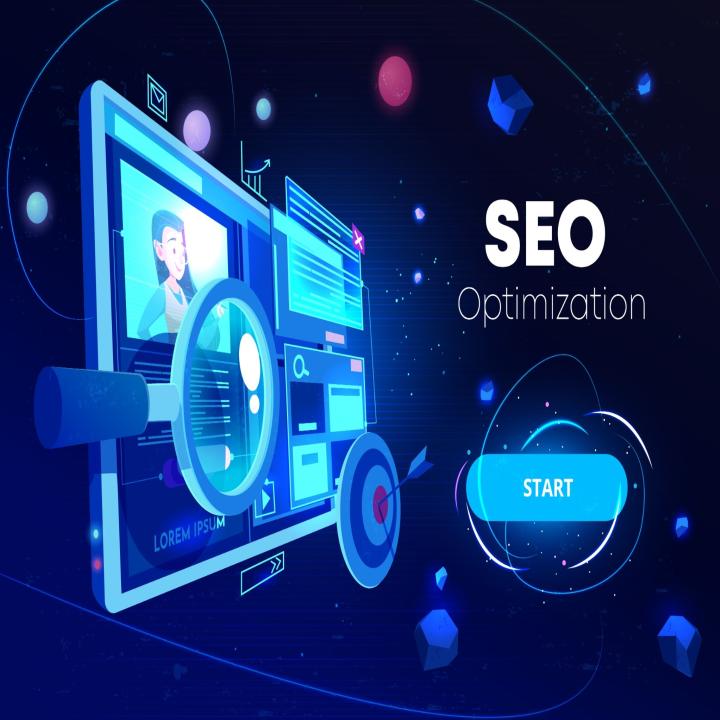
Companies offering SEO services in New York and other competitive markets are leading the charge by integrating innovative strategies to help businesses thrive. From AI-driven content creation to omnichannel marketing and voice search optimization, understanding the future of digital marketing is essential for success.
This article explores the key trends, strategies, and opportunities that marketers should leverage in 2026.
AI-Powered Content and Marketing Automation
Artificial intelligence is revolutionizing content marketing. AI tools can generate high-quality blog posts, social media content, and email campaigns at scale, saving time while maintaining quality. Beyond content creation, AI automates campaign management and optimizes performance in real time.
Some practical applications include:
- Predictive analytics to forecast consumer behavior
- Automated email marketing and personalized recommendations
- AI chatbots for real-time customer engagement
- Machine learning algorithms to segment audiences and optimize campaigns
Businesses that integrate AI into their marketing strategies gain efficiency and accuracy, allowing for data-driven decision-making. Agencies providing SEO services in New York are increasingly using AI tools to improve content relevance, keyword targeting, and search visibility.
Hyper-Personalized Marketing
Consumers now expect marketing experiences tailored to their interests, location, and previous interactions. Hyper-personalization leverages data analytics to deliver targeted campaigns that resonate with individual users. Effective strategies include:
- Dynamic website content and landing pages customized to user behavior
- Personalized email campaigns based on user preferences
- Predictive product recommendations informed by browsing and purchase history
- Targeted social media campaigns optimized for individual segments
Brands that implement hyper-personalized marketing can increase engagement, conversion rates, and customer loyalty.
Voice and Visual Search Optimization
By 2026, voice and visual search will be integral to digital marketing strategies. Smart devices, voice assistants, and image recognition tools are changing the way users interact with brands. Marketers must ensure that content is optimized for these platforms, including:
- Using natural language and conversational phrases for voice search
- Optimizing images with descriptive alt text for visual search
- Structuring content to answer questions directly
- Incorporating FAQs and schema markup to enhance AI readability
Companies providing SEO services in New York are already helping clients optimize their content for these emerging search behaviors to maximize visibility.
Short-Form Video and Interactive Content
Video content continues to dominate digital marketing. Short-form videos on platforms such as Instagram Reels, TikTok, and YouTube Shorts engage audiences effectively, while interactive content encourages user participation. Strategies include:
- Producing concise, engaging videos tailored to mobile devices
- Incorporating interactive elements such as polls, quizzes, and AR experiences
- Leveraging storytelling techniques to communicate brand values
- Creating immersive campaigns that encourage user interaction
Interactive and visual content improves engagement metrics, enhances brand recall, and drives conversions.
Omnichannel Marketing Strategies
Omnichannel marketing ensures consistent messaging across multiple platforms, providing seamless customer experiences. Combining email, social media, search, and website campaigns allows businesses to interact with users at every touchpoint. Key practices include:
- Integrating campaigns across platforms for a unified experience
- Automating workflows for lead nurturing and follow-ups
- Using predictive analytics to anticipate customer needs
- Adjusting campaigns in real time based on performance metrics
Omnichannel strategies increase engagement, improve brand perception, and generate higher ROI.
Privacy-First Marketing
With increasing regulatory oversight and growing consumer concerns about privacy, marketers must adopt privacy-first strategies. Compliance with laws such as GDPR and CCPA is essential. Best practices include:
- Collecting data only with consent and clearly explaining its use
- Using first-party and zero-party data for personalization
- Implementing anonymized analytics to track performance
- Maintaining transparency in all marketing communications
Privacy-first marketing builds consumer trust while ensuring long-term sustainability for digital campaigns.
Community-Led and Micro-Influencer Marketing
Community-based campaigns and micro-influencer partnerships are becoming more effective than traditional mass influencer approaches. Niche audiences tend to engage more deeply with content from trusted community members. Strategies include:
- Collaborating with local influencers to reach targeted audiences
- Encouraging user-generated content to enhance authenticity
- Building online communities around shared interests or brand values
- Gathering insights from communities to refine campaigns
Businesses that invest in community-led strategies can generate organic growth and strengthen brand loyalty.
Sustainability and Purpose-Driven Branding
Consumers increasingly prioritize brands with social responsibility and sustainability initiatives. Purpose-driven branding involves:
- Highlighting eco-friendly practices in products and services
- Promoting community engagement and social initiatives
- Using authentic storytelling to convey brand values
- Demonstrating transparency and ethical practices
Brands that embrace sustainability and purpose-driven marketing enhance their reputation and attract socially-conscious consumers.
Measuring Marketing Success
Advanced analytics tools allow marketers to track campaigns, understand audience behavior, and optimize performance. Key metrics include:
- Engagement rates on websites, social media, and email campaigns
- Conversion and retention rates
- ROI on paid marketing initiatives
- Insights from AI-powered predictive analytics
Monitoring and analyzing these metrics ensures continuous improvement and maximizes marketing effectiveness.
Emerging Technologies Shaping Digital Marketing
Several technologies will further influence digital marketing in 2026, including:
- Augmented reality (AR) for immersive product experiences
- Virtual reality (VR) for interactive brand storytelling
- AI-generated chatbots for real-time customer support
- Predictive analytics for anticipating trends and consumer behavior
- Multi-modal search integrating text, images, and voice
Marketers who adopt these technologies early can gain a competitive advantage and stay ahead of industry trends.
Conclusion
Digital marketing in 2026 is defined by personalization, AI integration, advanced analytics, and multi-platform engagement. Hyper-personalized content, voice and visual search optimization, short-form video, omnichannel strategies, and purpose-driven campaigns are key to staying competitive.
Businesses that adapt to these trends will improve engagement, strengthen customer relationships, and achieve sustainable growth. Companies offering seo agency nyc are already implementing these strategies to help clients navigate the complex and rapidly evolving digital marketing landscape.
The future of digital marketing will reward brands that embrace technology, understand their audiences, and communicate effectively across channels. Businesses that take proactive steps today will secure a lasting advantage in 2026 and beyond.