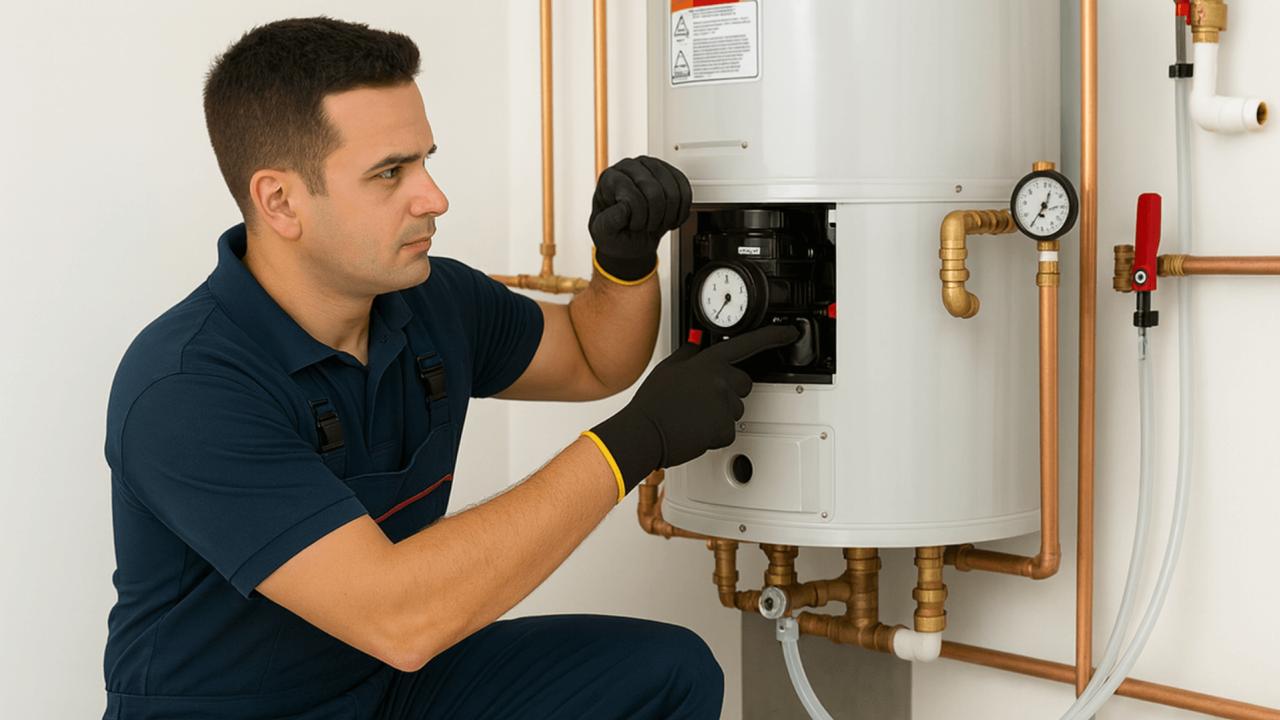
Water leaks inside a home can be deceptive. They often start small, remain hidden for weeks, and only become obvious once damage has already spread. Many homeowners attempt a do-it-yourself approach when they notice early signs, hoping to save time and avoid service costs. However, DIY leak detection frequently leads to misdiagnosis, delay, or more serious issues. Understanding why these home methods fall short is essential for preventing long-term structural problems and unnecessary repair expenses.
Before taking on leak detection yourself, it is important to know when the situation calls for a trained specialist. Professional support provides accuracy, safety, and long-term solutions that most DIY tools cannot match. For homeowners in the Las Vegas area, getting help from a certified leak detection service in las vegas is often the most dependable step in protecting your property.
Why DIY Leak Detection Often Fails
1. Hidden Leaks Require Specialized Tools
Most leaks are not visible on the surface. They often hide behind walls, under slabs, in ceilings, or beneath flooring. A homeowner may guess the source based on wet spots, sounds, or odors, but these clues rarely point to the exact location. Professionals use acoustic sensors, infrared cameras, moisture meters, and pressure testing equipment to pinpoint the source without opening walls unnecessarily. Without proper diagnostic tools, DIY inspection becomes guesswork, which can lead to unnecessary damage or overlooked issues.
2. Misinterpreting Symptoms Leads to Wrong Fixes
Water stains, damp odors, and mold growth are general signs of moisture but not clear indicators of where the leak is coming from. A stain on a ceiling, for example, may suggest a roof problem to a homeowner, when in reality the cause may be a pipe several feet away. Incorrect assumptions often result in wasted time and money. Homeowners may seal or patch areas that are not causing the problem, allowing the actual leak to continue spreading.
3. DIY Fixes Often Address Only the Surface
Even when homeowners manage to locate a leak, they often perform temporary or superficial repairs. Taping a pipe, tightening a joint, or applying sealant may slow the leak for a short period but rarely solves the underlying issue. Plumbing systems are interconnected, and a leak may be a sign of broader concerns such as corrosion, pressure imbalance, or deteriorating pipe material. Professionals are trained to examine the full system and ensure the repair prevents future problems.
4. Lack of Training Increases the Risk of Damage
Plumbing repairs require skill, especially when working with pressurized lines, underground pipes, or connections that affect the entire home. Inexperienced attempts can lead to overtightening, accidental cracks, or disruption of nearby components. A minor leak can quickly become a major one if the wrong section is disturbed. In some cases, DIY work may even void insurance coverage or violate local plumbing codes.
5. Water Leaks Spread Faster Than Expected
Moisture can travel along beams, insulation, walls, and flooring. By the time a homeowner notices visible signs, the leak may have already caused significant damage. Delays caused by DIY troubleshooting give water more time to spread, creating conditions for mold growth, weakened structures, and costly restorations. Professional leak detection provides a timely and accurate diagnosis that limits the extent of damage.
6. Safety Risks Are Often Overlooked
Water leaks can lead to electrical hazards, slippery surfaces, and hidden mold exposure. DIY attempts may involve cutting into walls or interacting with plumbing that is close to wiring, which poses serious risks. Mold spores can also become airborne during untrained inspection. Professional plumbers follow safety procedures designed to protect both the homeowner and the property.
When You Should Call a Professional Plumber
While small issues like tightening a loose faucet may be manageable at home, several situations require immediate attention from a trained plumber.
1. Continuous Water Sounds With No Visible Leak
If you hear water running behind walls or under the floor, the source is likely hidden. These leaks require advanced detection tools to locate accurately.
2. Sudden Spike in Water Bills
Unexplained increases in water usage are one of the most reliable signs of a hidden leak. A licensed technician can quickly determine whether the problem lies in the plumbing system or fixtures.
3. Damp Walls, Floors, or Ceilings
Persistent dampness indicates moisture is entering from an unseen source. Cutting into drywall without knowing where to look may cause unnecessary damage. Professionals use non-invasive diagnostic methods before opening any area.
4. Mold or Musty Odors
If mold is visible or you notice consistent odors, moisture is likely trapped inside walls or flooring. Professional leak detection helps identify the exact point of intrusion, allowing proper remediation.
5. Low Water Pressure in Multiple Fixtures
A sudden drop in pressure can indicate a pipe rupture, corrosion, or underground leak. These issues require specialized evaluation that DIY methods cannot resolve accurately.
6. Slab Leaks or Underground Leaks
Homes built on slabs are vulnerable to leaks beneath the concrete foundation. DIY detection is nearly impossible in these cases. Professionals use acoustic and pressure-based tests to avoid unnecessary excavation.
7. Water Pooling Around the Home
Standing water near your foundation, yard, or driveway can signal a broken underground line. Attempting to dig or expose plumbing without proper knowledge can be dangerous and may cause further damage.
Benefits of Hiring a Professional Leak Detection Service
1. Accurate Identification of the Source
Professionals can differentiate between plumbing leaks, roof leaks, condensation issues, and structural moisture. This prevents unnecessary repairs and ensures the correct problem is fixed.
2. Preventing Long-Term Damage
Early professional detection minimizes structural damage, mold growth, and costly restoration work. Addressing leaks promptly protects your home’s value and safety.
3. Efficient and Non-Invasive Methods
With advanced technology, plumbers can locate leaks with minimal disruption. Many issues are diagnosed without cutting into walls, saving time and preventing cosmetic damage.
4. Long-Lasting Repairs
Certified plumbers do more than fix leaks. They identify why the leak occurred and ensure your system is stable. This approach prevents future issues and provides long-term peace of mind.
5. Compliance With Local Codes and Safety Standards
Professional plumbers follow city regulations, ensuring all repairs meet local codes. This protects your property from legal or insurance complications.
6. Expert Advice for Prevention
Professionals provide insights on preventing future leaks, maintaining your plumbing system, and improving water efficiency.
Conclusion
DIY methods can be helpful for small household tasks, but leak detection is rarely one of them. The hidden nature of leaks, the need for advanced tools, and the risks of misdiagnosis make professional service the most reliable approach. Taking timely action not only prevents serious damage but also ensures your plumbing system continues to function safely and efficiently.
If you suspect a leak or notice early warning signs, contacting a trusted specialist is always the smarter choice. For homeowners in the Las Vegas area, relying on a professional leak detection service in las vegas ensures accurate diagnosis, proper repair, and long-term protection for your home.
