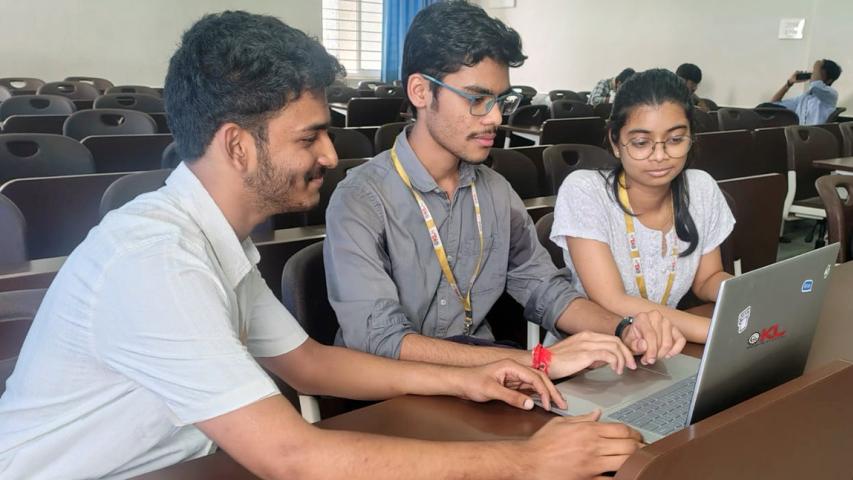
What began as a simple assignment for three second-year CSE students at KLH Bachupally turned into a hands-on demonstration of how cyberattacks unfold and how a system can fight back in real time. The project offered an inside look at attacker behaviour and instant defence mechanisms, giving students a real-time experience. Work like this is one of the reasons institutions with strong practical exposure stand among the best universities in India.
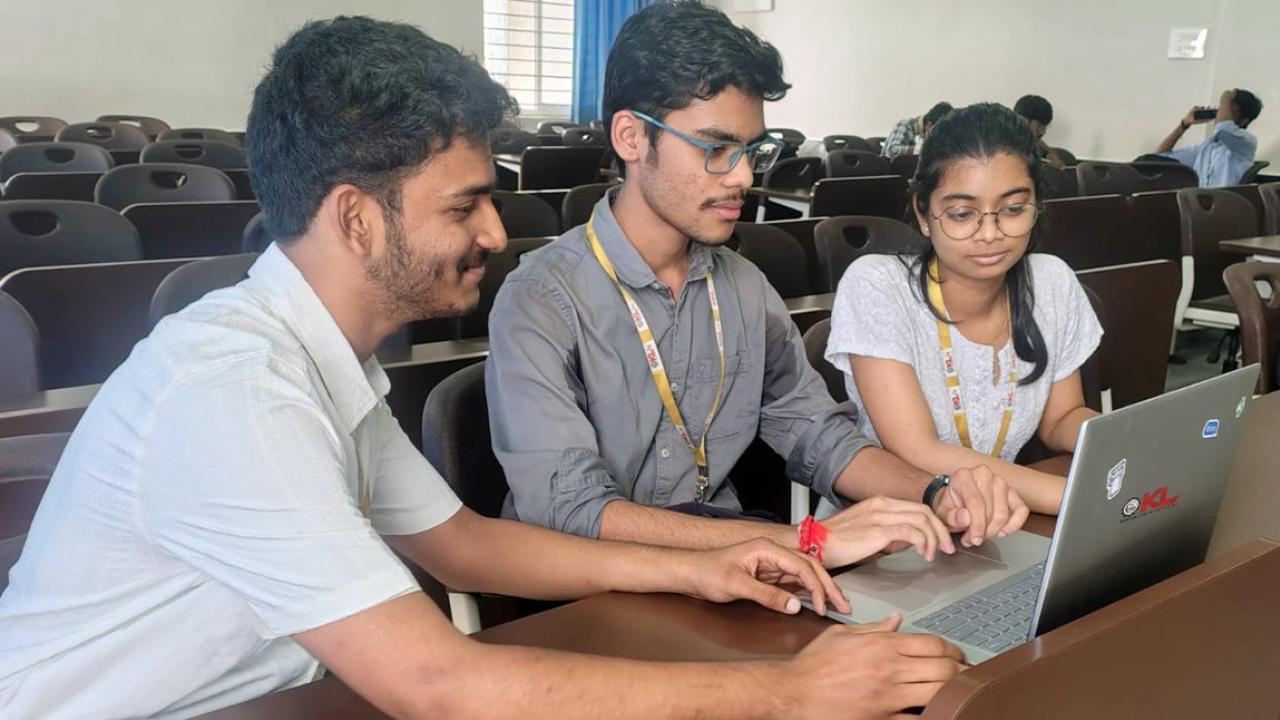
The team, Atharva Jain, Sriram Nagandla and Anahita Bhalme, built a virtual environment with two systems. One acted as the attacker, repeatedly attempting break-ins. The other acted as a guard, watching every move. Their mentor, Dr Shaik Asif, guided them through the process.
The defensive system checked activity every few seconds. If someone tried too many wrong passwords, it treated it as a red flag and took action. Instead of simply blocking access in the background, it displayed a clear on-screen alert showing where the attempt came from, how many times the intruder tried and the exact time it happened. Once the alert appeared, the system automatically blocked the source.
To make the entire process easy to follow, the students built simple tools that turned complex logs into clean, colourful tables. Anyone watching could understand the flow of events at a glance.
When the attacker system started scanning and guessing passwords, the defender machine captured every attempt instantly. The students sat and watched a live attack in a completely safe virtual setup, giving them a real sense of the speed at which threats move and why quick reaction is essential.
Their prototype caught every attack and reacted in under ten seconds. The entire setup ran on free, open-source tools without any special hardware. For the students, the big takeaway was simple but powerful: cybersecurity makes much more sense when you see it happening right in front of you.
What started as a routine assignment ended up becoming a practical lesson in understanding attackers, building defence strategies and creating a system that can think and act fast. It showed how much can be achieved with curiosity, teamwork and the right guidance inside the classroom.