I still remember the first time I logged onto https://baocasinologin.com/ — a sense of curiosity mixed with a subtle nervous thrill. The screen glowed invitingly, promising entertainment, chance, and perhaps a few small victories. Online gambling is a strange world — on one hand, it’s mathematical, structured, predictable even; on the other, it’s chaotic, emotional, and deeply personal. That duality is exactly what hooks you. Over the years, I’ve learned to navigate it carefully, watching my own reactions as much as the games themselves, trying to understand why a simple spin or a dealt card could provoke such a rush.
One of the first things I noticed was the bonus structures. They’re clever — not in a brash, shouty way, but in subtle nudges that make you pause, think, and sometimes overthink. Free spins, deposit matches, and layered incentives pull you into a rhythm — a dance between risk and reward. I’ve spent long evenings analyzing these offers, testing patterns, wondering if I was acting strategically or simply following the design’s invisible hand. What fascinates me is that these micro-decisions reflect real behavior — patience, impulsivity, and the occasional irrational hope — more than any win or loss could.
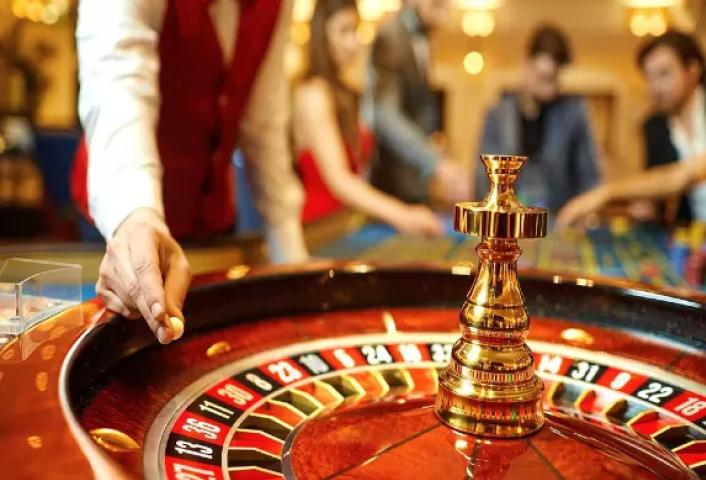
Then there’s the live dealer experience. Watching a professional shuffle cards, spin a roulette wheel, or interact with players in real time is hypnotic. Even through a screen, the energy is palpable — a dealer’s chuckle or pause carries emotional weight. You realize quickly that online gambling isn’t just about numbers; it’s about human connection, anticipation, and the subtle cues that make each moment tense or exhilarating. Observing the table, I noticed how every reaction — mine or others’ — influences the atmosphere, how a near win can spike excitement or a slight delay can make your heart race. It’s like being part of a theater where you are both audience and actor.
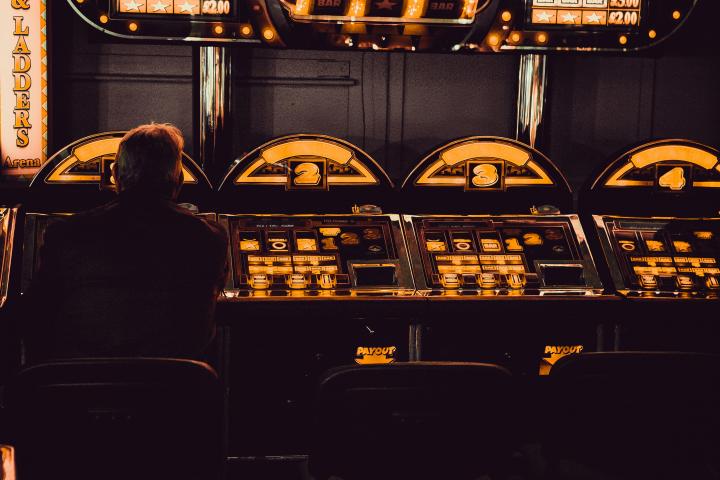
Slots, however, are a completely different beast. There’s a rhythm to them — rapid spins, near-misses, and incremental rewards — that can be mesmerizing. I’ve often found myself lost in these patterns, following symbols, listening to sound cues, feeling the tiny thrill of small wins. It’s fascinating how the human brain interprets randomness — almost as if near-misses sting more than logic allows, small victories feel disproportionately satisfying, and each spin carries the weight of possibility. It’s addictive, yes, but also deeply instructive about perception, patience, and the subtle artistry of chance.
Inevitably, my attention would circle back to the bonus system. I mapped out deposits, tracked promotions, and tested wagering conditions — a blend of strategy and surrender. It’s ironic: the more I tried to control the environment, the more I became aware of its design, the subtle ways it nudges decisions. This self-awareness became as much a part of the experience as the gameplay itself. Online gambling is, in many ways, a psychological playground — a space where you can observe, reflect, and occasionally confront your own tendencies.
Of course, not every session is thrilling. Losing streaks bring a quiet tension, especially when you’re alone with the screen and your own thoughts. There’s no bustling casino to mask disappointment, no chatter to soften the blow — only a reflective pause where you confront choice, risk, and impulse. Responsible gaming tools — session reminders, deposit limits, and self-exclusion options — suddenly feel essential. Not as restrictive rules, but as safeguards to keep this intense, often emotional environment sustainable.
Even with experience, predictability remains elusive. Patterns can be observed, strategies can be tested, yet randomness preserves the thrill. It’s in the oscillation between control and chaos that gambling becomes compelling. I’ve caught myself swinging between confidence and doubt, euphoria and frustration, strategy and instinct — and realized that this spectrum is where the essence of the experience truly lies. It’s emotional, messy, and deeply human.
Over time, my perception of online gambling evolved. It isn’t just about chasing wins; it’s about understanding the interaction between design, psychology, and personal reaction. Platforms are crafted to engage on multiple levels — visually, audibly, and emotionally — and the real lesson comes from observing your own responses. Patience, impulsivity, and decision-making under uncertainty are on display with each session. You begin to recognize patterns in yourself that extend beyond gaming — in everyday choices, risk assessment, and impulse management.
Ultimately, the appeal lies in this complex interplay — chance, psychology, and design converging into an immersive experience. Every interface choice, game mechanic, and bonus structure is part of a layered, nuanced world that keeps you engaged and, if you pay attention, self-aware. My most meaningful insights haven’t come from jackpots or high stakes, but from noticing subtle patterns in behavior, reflecting on impulses, and embracing both wins and losses with a critical yet patient eye.
For anyone stepping into online gambling — whether as a casual participant or a keen analyst — the lesson is simple: approach with awareness. Enjoy the thrill, observe patterns, experiment strategically, but keep perspective. The line between entertainment and obsession is thin, and recognizing it ensures that this dynamic, fascinating world remains a source of insight, reflection, and human engagement. In the end, gambling online is less about the games themselves and more about confronting chance — and oneself.