
The shift from traditional advertising to digital platforms has made a profound impact on business. To succeed today, companies must effectively navigate the digital realm. This journey requires a clear understanding and strategic implementation of Digital Marketing, with Social Media Marketing serving as one of its most dynamic and essential components. While the two terms are often confused, their coordinated use is the true key to unlocking modern business growth.
Digital Marketing: The Foundation and Ecosystem of Online Growth
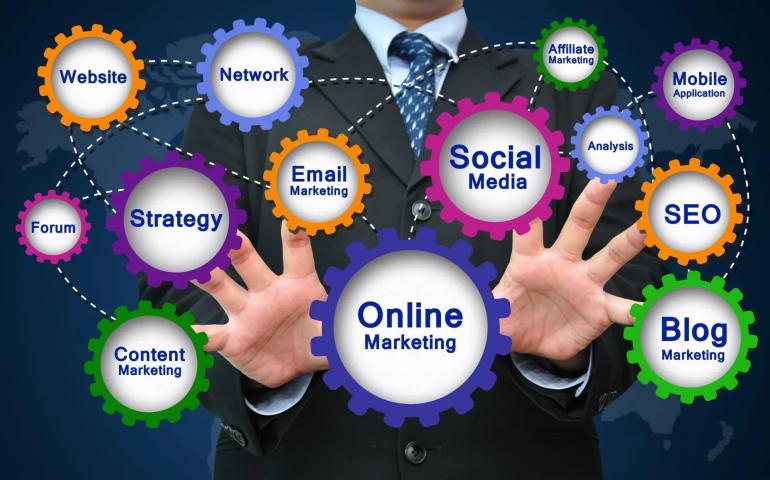
Digital Marketing is the broad, all-encompassing strategy that includes any marketing effort utilizing electronic devices or the internet. It is the strategy of connecting a business with its potential customers online. The primary goal of this holistic approach is measurable return on investment (ROI), driving customers through every stage of the sales funnel.
The Core Pillars of a Digital Strategy
A robust digital marketing plan is built upon several integrated channels:
Search Engine Optimization (SEO): Optimizing content and website structure to rank higher in search results, attracting free, organic traffic.
Content Marketing: Creating valuable, consistent, and relevant content (like blogs, videos, and webinars) that educates, informs, and builds trust with the target audience.
Email Marketing: Nurturing leads and building long-term relationships through segmented, personalized email campaigns.
Pay-Per-Click (PPC) Advertising: Using paid search and display ads to generate immediate, targeted traffic to landing pages.
Affiliate Marketing: Partnering with external entities to drive sales in exchange for a commission.
Social Media Marketing (SMM): Dedicated use of social platforms to engage, build community, and drive traffic, which is a powerful segment in its own right.
Social Media Marketing: Driving Engagement and Building Community
Social Media Marketing (SMM) is the strategic use of social media platforms (such as Instagram, Facebook, LinkedIn, YouTube, and X/Twitter) to connect with your audience, build your brand, drive website traffic, and ultimately increase sales. It is the real-time engine of interaction and buzz within the larger digital marketing framework.
Primary Objectives and Key Channels of SMM
The focus of SMM is primarily on human connection and engagement:
Increasing Brand Awareness: Reaching a massive audience where they spend their leisure time.
Fostering Community: Creating a loyal following and encouraging two-way conversation.
Driving Engagement: Utilizing likes, shares, comments, and saves as crucial metrics.
Customer Service: Providing quick, public, and responsive customer support.
The choice of platform depends heavily on your audience. For B2B, LinkedIn is dominant; for visual brands and younger audiences, Instagram and TikTok are essential.
The Synergy: How SMM and DM Work Together for Maximum Impact
While Digital Marketing and Social Media Marketing have distinct focuses, their success is interconnected. You cannot maximize your online potential by treating them separately.
Core Differences and Integrated Strategy
Feature | Digital Marketing (DM) | Social Media Marketing (SMM) |
Goal Focus | Conversion, ROI, Lead Generation | Awareness, Engagement, Community |
Time Horizon | Long-term (SEO, Content) | Real-time, Short-term trends |
Content Type | Authority-driven, Evergreen (Guides, Whitepapers) | Visual, Interactive, Timely (Stories, Reels, Polls) |
Relationship | The umbrella strategy | A critical component under the umbrella |
Integrated Strategy: A successful campaign might start on social media marketing (e.g., a viral video) to create Awareness. This video then drives traffic to a blog post optimized for SEO (Content/Digital Marketing), which captures the user's email (Email Marketing) for the final sale (Conversion). This complete cycle demonstrates true digital marketing excellence.
Advanced Strategies for Effective Social Media Marketing
To ensure your SMM efforts are not just generating likes but contributing to your overall digital marketing ROI, focus on these advanced tactics:
Defining Goals, Audience Research, and Content Prioritization
SMART Goal Setting: Goals must be Specific, Measurable, Achievable, Relevant, and Time-bound. For example: "Increase lead sign-ups from Instagram by 20% in Q4."
Platform-Specific Content: Repurposing content is fine, but native content performs best. A vertical video (Reel/Short) on Instagram will always outperform a horizontal YouTube link.
Audience Deep Dive: Use the analytics provided by social platforms to understand demographics, peak activity times, and content preferences. This data guides your entire social media marketing calendar.
Leveraging Social Listening and Paid Advertising
Social Listening: Actively monitoring brand mentions, competitor activity, and industry keywords across all platforms. This allows for prompt customer service, crisis management, and trend identification—vital data for the wider digital marketing team.
Paid Social: Organic reach is limited. Strategic paid advertising on social channels allows marketers to target hyper-specific audiences (e.g., people who have visited a competitor's page or shown interest in a certain topic). This precision drives higher-quality traffic back to your conversion-focused website, delivering a strong ROI for your digital marketing spend.
Conclusion:
The journey to success in the online world is defined by how well a business executes its Digital Marketing strategy. By treating Social Media Marketing not as an optional accessory, but as the essential engagement layer, businesses can generate high-quality awareness and traffic. When the energy generated by social media is effectively channeled into SEO-optimized websites and nurturing email campaigns, the result is a powerful, measurable, and sustainable engine for growth.