It all started on a quiet evening, the kind where you don’t expect anything remarkable to happen. I stumbled upon a platform https://baocasinocanada.com/ while idly browsing, and before I knew it, I was drawn into a world of spinning reels, digital card tables, and flashing lights — a world that felt strangely alive despite being entirely virtual. There’s something magnetic about these spaces — a tension that sits between hope and suspense, a subtle thrill that keeps you leaning forward, eyes locked on the screen, heart slightly faster than usual.
I’ve spent years reviewing gambling platforms, and yet, every time I enter a new one, there’s a moment of wonder — the digital equivalent of walking into a casino for the first time. It’s never just the games themselves. It’s how they are presented, how the interface guides you through a rhythm of anticipation and reaction. The architecture of a platform — the menus, the loading times, even the color palette — matters more than people might think. It frames the entire experience, setting the stage for moments of triumph and disappointment alike.
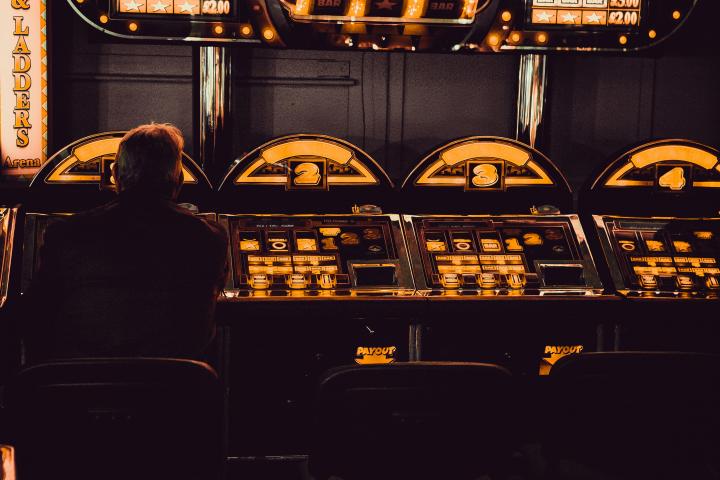
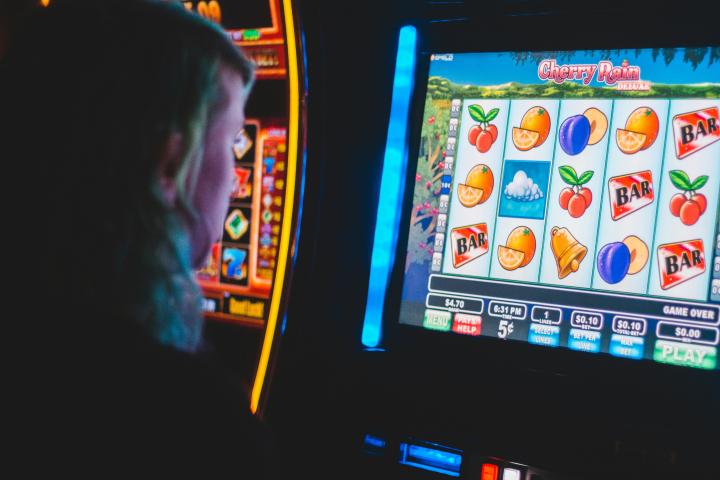
Slots are where this dynamic is most evident. On one hand, they are straightforward — press a button and wait. But there’s artistry in their design. Symbols cascade across the reels, each spin accompanied by sound effects that range from subtle chimes to dramatic bursts of music when a win occurs. I’ve watched patterns emerge, near-misses that tease the mind, making you doubt luck and question probability. I’ve laughed at my own stubbornness, convinced that the next spin must surely tip in my favor. There’s a fine balance here — the line between excitement and frustration, and the platform must tread it carefully to keep you engaged without pushing you away.
Table games offer a different rhythm altogether. I’ve spent hours at virtual blackjack tables, sometimes cautious, sometimes reckless, and occasionally just observing. Roulette, poker, baccarat — each game demands a distinct mindset. There’s a subtle dance of strategy, probability, and intuition. I’ve noticed how the design of a table — the clarity of chips, the movement of cards, the response time of actions — directly influences how I play. A well-crafted platform doesn’t just facilitate a game; it immerses you in it, making you feel like a participant rather than an observer.
Trust and transparency, I’ve realized, are as important as design or gameplay. I’ve encountered platforms that dazzle with visuals yet obscure key information about odds, payouts, or policies. It’s frustrating, even alienating. Conversely, when a platform is upfront — clear about rules, payouts, and terms — the experience is liberating. Wins feel earned, losses feel fair, and the entire interaction gains credibility. For me, this credibility often shapes my engagement more than the potential rewards themselves. There’s comfort in knowing that what you see is what you get.
Bonuses and promotions are a whole other layer of complexity. Initially, I was skeptical, viewing them as gimmicks designed to hook players. But there’s nuance. Free spins, loyalty points, deposit matches — they aren’t just incentives; they are tools that subtly guide behavior. I’ve tracked my own decisions, noticing how a well-timed promotion can encourage experimentation, or how a particularly generous bonus might tempt me into riskier plays. It’s a dance between strategy and psychology — one that platforms exploit delicately, without overt coercion, yet effectively.
The human element is endlessly fascinating. Every session reveals patterns — my own, primarily, but glimpses of others’ behavior as well. Some players lean toward consistency, low-risk bets, and conservative strategies. Others chase excitement, making bold moves that carry both high reward and high potential loss. The platform is the stage upon which these personalities and strategies interact. Its design, pacing, and feedback loops can amplify, temper, or subtly redirect these behaviors. Observing this interplay is like watching a carefully choreographed experiment in real time.
Technical performance matters, too. Laggy interfaces, slow payments, or clunky navigation can destroy immersion in an instant. I’ve tested platforms across devices — desktops, tablets, and phones — and the differences are stark. Smooth, responsive design frees the mind to engage with the game itself. Live dealer games, in particular, rely on this seamless execution. Every second matters — the dealer’s gestures, the timing of card flips, the spin of the wheel — all must flow naturally, or the illusion falters.
After hours of engagement, I realized gambling online is not merely about winning money. It’s a study in decision-making, risk assessment, and emotional management. The platforms that succeed are those that balance unpredictability with transparency, excitement with structure, and chance with the illusion of control. I’ve felt the exhilaration of streaks, the sting of near-misses, and the satisfaction of calculated wins. Each moment has been a lesson in human behavior — patience, impulse, and sometimes, sheer hope.
Interestingly, my reflections often wander beyond the immediate session. I consider how these platforms mirror life — the way we take risks, measure odds, and respond to uncertainty. There’s a subtle artistry in their design, an understanding of psychology, and a respect for player intelligence that elevates the experience beyond mere gambling. A well-designed platform feels like an ecosystem, carefully tuned to engage, challenge, and sometimes amuse its users.
In the end, online gambling is profoundly human — a blend of curiosity, risk, and narrative. The fortune may be unpredictable, but the experience is deliberately crafted. Wins, losses, pauses, and bursts of excitement — they all matter, not just for the outcome, but for the story they create along the way. Platforms that recognize this, that balance thrill with clarity and immersion with transparency, offer something truly compelling. My journey through them has taught me that the appeal lies not just in money or chance, but in the carefully orchestrated dance of psychology, design, and human emotion. And that, in itself, is worth the exploration.