Managing enterprise-scale Atlassian environments can quickly become complex, especially when multiple teams use Jira, Confluence, and Bitbucket under a shared license pool. Without a proper structure, organizations risk over-licensing, compliance issues, and unnecessary costs. That’s where Atlassian License Management Services play a critical role — helping large enterprises maintain visibility, control, and compliance across every user and instance.
This blog explores key challenges, strategies, and automation techniques to ensure license compliance at scale, while also highlighting how partners like Empyra can simplify governance and reporting.
1 . Understanding Atlassian License Compliance
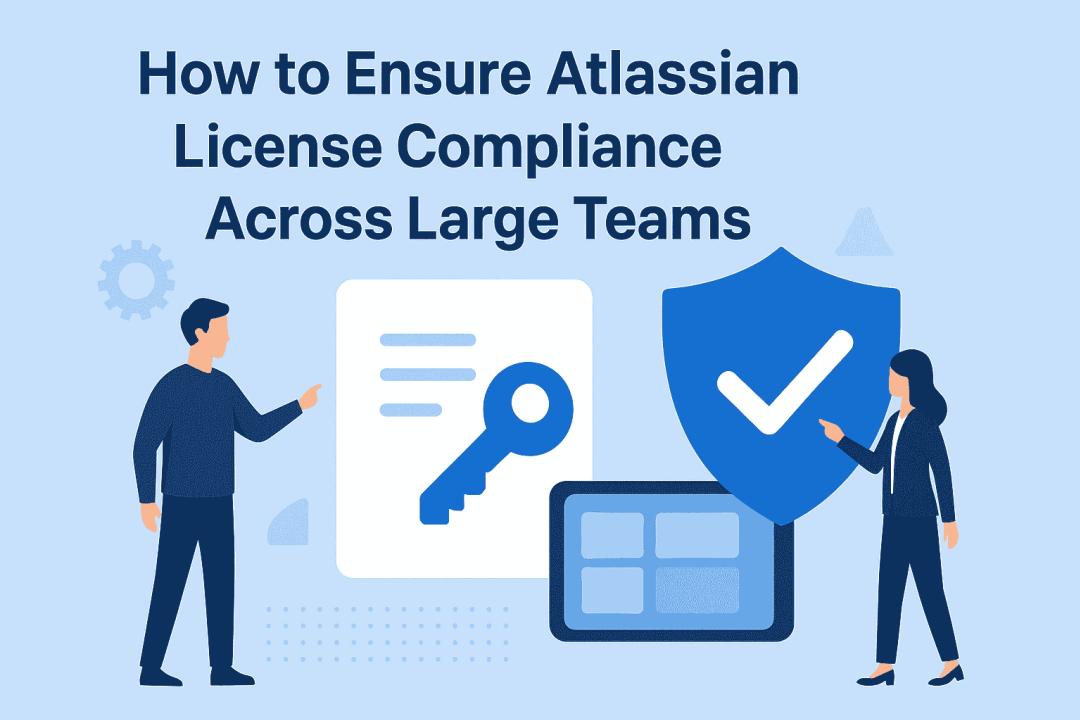
Atlassian license compliance ensures that your organization uses Atlassian products in accordance with their license agreements — no more, no less. It means every Jira, Confluence, or Bitbucket user has the right level of access, and your organization maintains accurate, up-to-date records of usage.
Non-compliance can lead to financial penalties, audit risks, and unexpected downtime. For growing enterprises, maintaining control over who uses what — and ensuring all instances align with Atlassian’s licensing policies — is a vital part of IT governance.
2 . Common License Compliance Challenges for Large Enterprises
Managing Atlassian licenses across departments and regions can expose several pain points that threaten compliance:
Decentralized ownership: Different departments often purchase licenses independently, creating data silos.
Duplicate or inactive users: Without a unified tracking system, licenses remain assigned to users who’ve left or changed roles.
Lack of visibility: Enterprises struggle to track how licenses are distributed across projects and teams.
Manual tracking errors: Spreadsheet-based tracking is prone to mistakes and outdated information.
Overlapping subscriptions: Merged teams or acquisitions often lead to redundant Atlassian subscriptions.
Addressing these challenges requires structured governance and automation tools that provide real-time visibility into license usage.
3 . Key Strategies to Maintain License Compliance
Enterprises can strengthen compliance by implementing the following strategies:
Centralize license management:
Consolidate all Atlassian licenses under a single management system or partner. This helps standardize renewals, eliminate duplicates, and enforce consistent policies.Automate usage reporting:
Use built-in dashboards or apps to automatically track usage across Jira, Confluence, and Bitbucket. Reports highlight unused or inactive licenses, ensuring efficient allocation.Integrate user directories:
Sync Atlassian user management with your organization’s directory (Active Directory, Azure AD, or Okta). It ensures access control aligns with HR changes.Conduct periodic internal audits:
Schedule quarterly audits to review license utilization, ensuring compliance before Atlassian or internal governance reviews.Establish clear workflows:
Define approval processes for new license requests, renewals, and deactivations. Automation through Jira Service Management can make these processes seamless.
These steps form the foundation of proactive Atlassian license governance — enabling teams to focus on productivity while maintaining audit readiness.
4 . Automating License Tracking and Renewal
Automation is key to ensuring compliance at scale. Manual license tracking becomes impossible when hundreds or thousands of users are involved. Atlassian’s ecosystem offers multiple solutions for this challenge:
Atlassian Admin Hub: Provides visibility into user activity, license assignments, and renewal timelines.
Insight (Asset Management in Jira Service Management): Enables organizations to link user assets (licenses) directly to workflows.
Third-party tools and partner dashboards: Offer granular control and predictive reporting on license usage trends.
By integrating automation into your license management workflow, you can:
Eliminate human error
Receive proactive renewal alerts
Automatically deactivate inactive users
Streamline procurement with approval routing
This automation not only ensures compliance but also significantly reduces administrative overhead.
5 . The Role of Atlassian Solution Partners in Compliance
Partnering with a certified Atlassian Solution Partner, like Empyra, simplifies the entire compliance lifecycle. These partners bring both technical and operational expertise to optimize your licensing ecosystem.
How Atlassian Partners Support Compliance:
License health checks: Identify compliance gaps and unused assets.
Audit readiness: Prepare documentation and reports for internal or Atlassian audits.
License consolidation: Merge multiple instances or subscriptions for simpler management.
Cloud migration guidance: Ensure smooth transitions from Server or Data Center to Cloud with correct license mapping.
Cost optimization: Leverage partner discounts, flexible billing, and proactive renewals.
With partner support, enterprises gain an ongoing compliance strategy — not just a one-time audit fix.
6 . Best Practices for Ongoing License Governance
Long-term license compliance depends on strong governance processes. Here are proven best practices:
Perform quarterly reviews: Audit user lists and usage data regularly.
Deactivate inactive users automatically: Integrate HR systems to instantly revoke access when users leave.
Document compliance policies: Maintain clear internal guidelines on license procurement and renewal.
Use real-time dashboards: Track compliance metrics and renewal timelines.
Adopt role-based licensing: Assign the right license tier to the right user role to prevent waste.
Governance ensures your Atlassian ecosystem scales responsibly while maintaining transparency and cost efficiency.
Conclusion: Build a Future-Ready Compliance Strategy
Ensuring Atlassian license compliance isn’t just about avoiding audits — it’s about enabling smarter operations, controlling costs, and fostering governance maturity. By combining centralized management, automation, and partner support, large organizations can achieve complete visibility into their software assets and reduce compliance risks.
Partnering with Empyra gives enterprises the technical foundation and strategic insight they need to make the most of Atlassian licensing — turning compliance into a long-term competitive advantage.