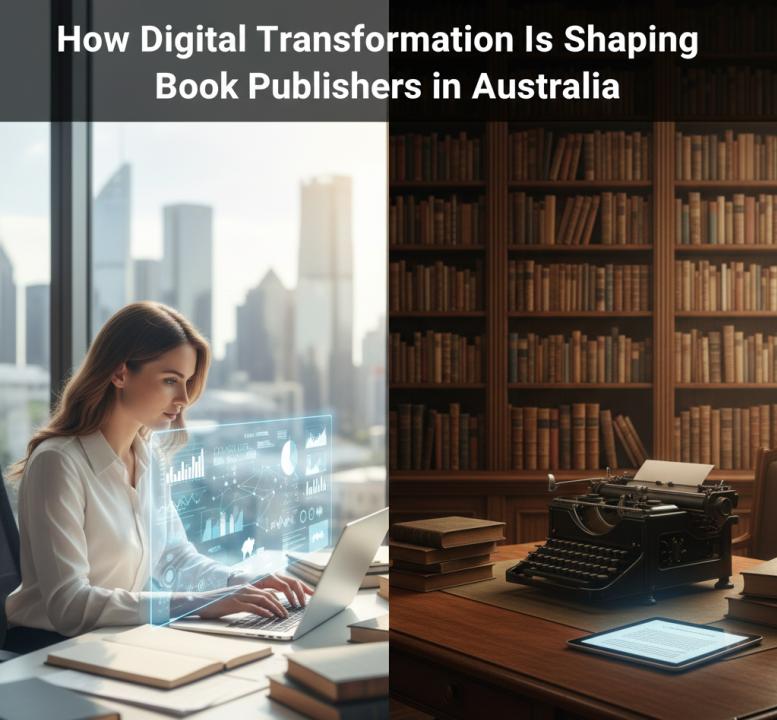

Did
you know that the Australian ebook market is all set to reach 3.72 million
users by 2030?
The
Australian book publishing industry has witnessed a massive transformation in
the past decade.
And it is very clear that preferences
for multimedia content are a key driver of this shift!
Remember
when publishing was just a dream, considering the unlimited barriers associated
with entering the market? Turns out, not anymore!
The
digital revolution, more specifically, the rise of online publishing methods, has
made books more accessible to readers.
This
is why publishers are now embracing technology to thrive in the industry.
And
if you are still wondering how publishers are navigating these technological
advancements, you are in the right place!
Continue
reading to stay informed about the latest developments in this industry.
The Australian
Publishing Industry - What's New?
Gone
are the days when book publishing was only about landing your books
successfully in a physical store.
Or
you can say waiting for a middleman to bring approval of your book, or relying
on unpredictable consumer responses...
The
integration of digital technologies has changed everything.
This
is why authors are running to experienced book publishers.
From
new distribution channels to informed decisions, there is a reason why the CAGR
is projected to grow by 10.2%.
Let's
take a deeper look at what is actually happening.
1.
The Growth Of Ebooks and Audiobooks
Digital
transformation in the publishing industry didn't come out of nowhere. Instead,
it connects with the reader's preferences.
Ebooks and audiobooks have gained significant demand due to convenience and mobile life>
Here is why,
|
Commute issues |
47% of the readers prefer to listen to books while travelling in
metro cities |
|
Ease of access |
Young and adult readers prefer instant access to books instead of in-store
visits |
|
Disabilities |
People with visual impairment or other issues prefer various types of
digital formats |
Just think of it, 1000 physical copies might struggle in the
market to find their buyers.
But when it comes to an ebook?
They can be sold
internationally at low prices!
Moreover, publishers are now investing in audiobook
production, especially for multitasking individuals who love to read books in
their busy schedules.
2.
The Demand
For Self-Publishing Platforms
If you think that publishing still comes after years of
waiting, this is not how things work
anymore in Australia!
The rise of self-publishing platforms has enabled authors to
bypass traditional gatekeepers.
While the traditional publishing methods still continue to
exist, indie publishing has given direct access to the market.
Popular platforms like Amazon KDP, Smashwords, Ingram Spark, and
Kobo let authors enjoy,
ü Distribute
their books globally
ü Gain
maximum profits
ü Low barriers
to publication
ü Higher
creative control
ü Quick
revisions and re-releases
Pro tip: To get a competitive edge on these platforms, don't
forget to find professional book cover artists for hire.
3.
Data Driven Decisions
Traditional
publishers once had to rely on bookstores' feedback and annual reports to know
what actually worked.
This
risky approach didn't bring any positive outcomes. Instead, it only led to slow
planning and failure to understand what a reader actually wants.
With
the rise of analytical tools, discovering readers' preferences is easier than
ever!
Common
information includes,
ü Analyzing the emotional triggers of
readers
ü The genre performance in various
marketplaces
ü Keyword usage by the readers to be
used in book titles
ü Reader engagement rates
Instead
of relying on instincts, book publishers actually get precise insights
regarding the reader behavior.
For instance, a book publishing agency
analyzed the peak time when its audience consumes content. They then upgraded
their launch strategy and began releasing book chapters during that specific
window.
This might look like a small detail,
but the impact? They ended up boosting their engagement rates by up to 34%.
4.
High Royalties For Authors
Writing
a book and never getting paid enough was one of the most difficult things
authors had to go through.
But digital platforms have brought a positive impact on authors'
pockets as well!
Many traditional platforms restricted authors to an 8-15%
royalty rate. But self-publishing has completely changed the game for authors.
The table below discusses the royalty rates offered by
various platforms,
|
Ebooks |
Starts from
35%, goes up to 70% |
|
Print books |
60% for POD
books |
|
Audiobooks |
Around 40% |
To get these results, don't forget to work with professional ebook proofreading services.
5.
The Crucial Role Of Social Media
Marketing
Digital
transformation has enabled publishers to connect more deeply with their
audience. Marketing has turned into a more interactive experience with social
media channels.
Traditionally,
Australian publishers used to rely on book events or traditional media
coverage.
This
lack of control, or you can say, an unpredictable
effort, never brought the attention a book actually deserves!
However,
creating digital content and targeting users directly have significantly
boosted the engagement rates.
Here
is how,
ü Detailed reviews on Book Tok
ü Feedback from Instagram influencers
ü YouTube book clubs
ü Email newsletters
ü Introduction to podcasts
ü Good read communities
ü Book trailers
ü Live sessions
From
reviews to direct author interactions, every action gives publishers an
opportunity to tell why their book stands out.
6.
Print On Demand Technology In
Australia
While
ebooks may have taken over people's daily lives, the demand for print books
still exists!
But
here is the truth: a transformation exists over here, too! That is, the
introduction of print-on-demand technology.
Instead
of ordering thousands of copies, publishers can now make smart decisions. This significantly
reduces the investment and waste chances for them.
The
main advantages for Australian publishers include,
ü No costs associated with warehouse
storage
ü Improved sustainability profile
ü No unsold stock
ü Easier export to the international
market
For instance, a small publisher doesn't
have to worry about the cost risks associated with extra stock of their books.
FAQs
1)
Are there any challenges associated
with digital transformation?
Yes!
The digital transformation is thriving, but Australian authors still face
challenges such as data privacy regulations, attention issues, economic
pressures, and even piracy issues, as digital books can be copied easily.
2)
Are there any key changes in
publishing workflows?
Yes!
Digital transformation has upgraded the work settings of the Australian
publishers. Authors can now submit manuscripts via digital portals while
collaborating with editors and designers through platforms such as Google Workspace
and Adobe Creative Cloud.
3)
Will there be any risks to quality if
I choose to self-publish?
Yes!
Traditional publishing methods were exhausting, but they came with the guarantee
of publishing your manuscript in its finest version. However, the safest option
in this digital era is to work with a self-publishing agency that refines your
book to the best-selling level!
Wrapping Up
The Australian book publishing agency has stepped into the
digital space, and there is no going back! From the rise of data analytical
tools, self-publishing platforms, to print-on-demand services, digital
technology has opened numerous pathways for authors to connect with readers.
Remember, as the industry continues to grow, only the publishers who adapt to these
changes will see the real changes in their sales!