Oceanography is one of the most fascinating and essential branches of science, studying the vast and complex systems that make up our oceans. Whether you’re a student considering a career in marine science or simply curious about the ocean’s role in global ecosystems, understanding the basics of oceanography is key to exploring this incredible field.
In this article, we’ll introduce key concepts that form the foundation of oceanography, and show how Oceanography.com can be a great resource to kickstart your journey into ocean science.
What is Oceanography?
Oceanography is the scientific study of the physical, chemical, biological, and geological aspects of the oceans. The field aims to understand the ocean's role in the Earth’s climate system, the distribution of marine life, and how ocean processes affect global ecosystems. Oceanography is crucial for addressing environmental challenges such as climate change, pollution, and biodiversity loss.
Oceanography can be broken down into several specialized subfields:
- Physical Oceanography: This subfield studies the physical properties and behavior of ocean waters, including currents, waves, and tides.
- Chemical Oceanography: This area focuses on the chemical composition of seawater, how it changes, and how chemicals are cycled in marine environments.
- Biological Oceanography: This branch examines marine organisms, from microscopic plankton to large whales, and how they interact with their environment.
- Geological Oceanography: This subfield investigates the geological structure of the ocean floor, including plate tectonics, sea-floor spreading, and coastal erosion.
Key Concepts in Oceanography
To get started in oceanography, there are a few fundamental concepts you should be familiar with:
1. Ocean Currents: Ocean currents are vast, continuous movements of ocean water that play a crucial role in regulating climate and distributing heat across the planet. Understanding how these currents work is key to studying the ocean's influence on global weather patterns.
2. Salinity and Temperature: Salinity (the amount of salt in seawater) and temperature are critical factors that affect the ocean’s density, circulation, and the types of marine life that can thrive in different regions.
3. Marine Ecosystems: The ocean is home to diverse ecosystems ranging from coral reefs to deep-sea hydrothermal vents. Biological oceanography helps us understand how marine species adapt to their environments and the impacts of human activities on these ecosystems.
4. Ocean-Atmosphere Interaction: The interaction between the ocean and the atmosphere is vital for understanding climate patterns, weather systems, and the Earth's carbon cycle. Phenomena such as El Niño and La Niña are examples of how changes in ocean conditions can dramatically affect global weather.
5. Seafloor Mapping: Studying the ocean floor provides insight into plate tectonics, underwater volcanism, and the rich mineral resources of the seabed. This knowledge is crucial for understanding natural hazards like tsunamis and earthquakes.
How Oceanography.com Can Help You Learn
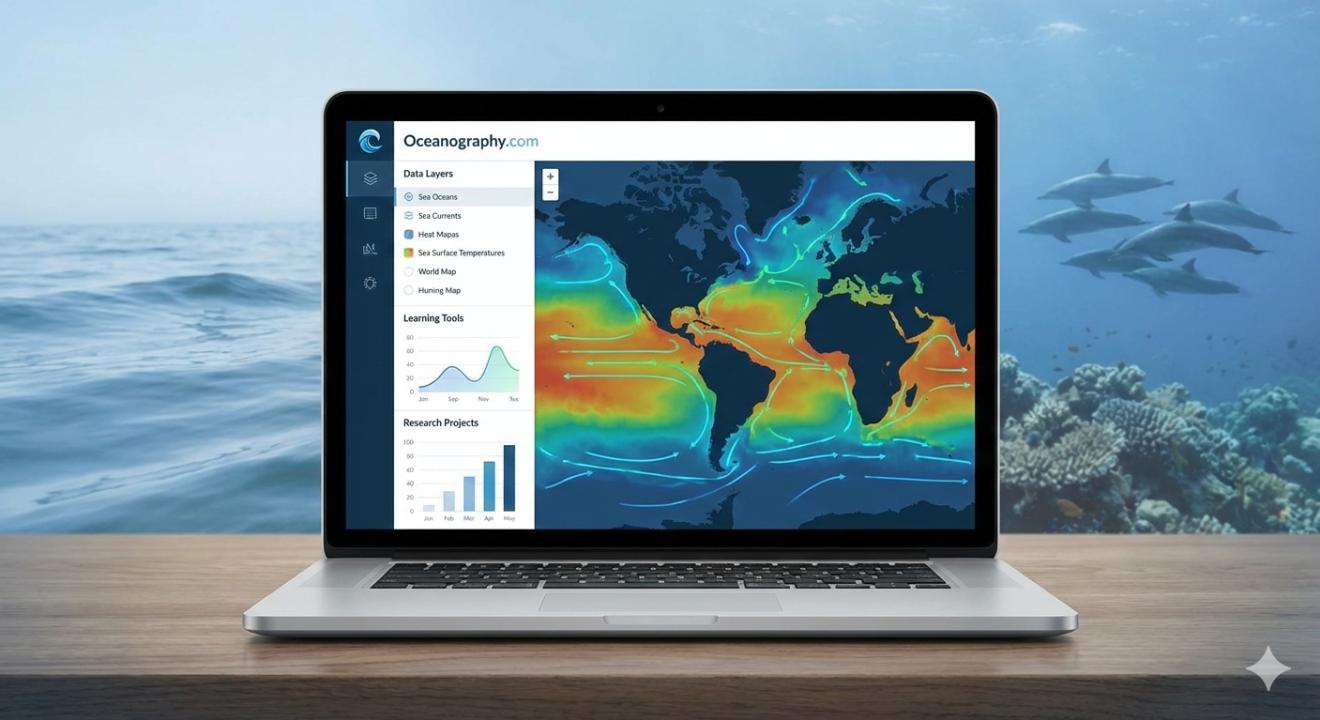
If you’re just starting to study oceanography or want to expand your knowledge, Oceanography.com is a fantastic place to begin. The site offers a variety of resources that can help you grasp key oceanographic concepts and apply them in your studies:
1. Real-Time Data: Access to real-time oceanographic datasets, allowing you to see current ocean conditions, temperature, salinity, and more.
2. Educational Resources: In-depth articles, research papers, and study guides covering fundamental oceanographic topics.
3. Interactive Tools: Utilize interactive maps and tools to visualize ocean data, currents, and ecosystems for a deeper understanding of marine science.
Why Study Oceanography?
Studying oceanography opens up a world of possibilities in science and research. The oceans cover more than 70% of the Earth's surface and play a critical role in shaping the climate, regulating temperature, and supporting life. With the increasing challenges of climate change, pollution, and loss of biodiversity, the need for skilled oceanographers has never been greater.
Oceanography provides valuable insights into how we can protect marine environments, improve sustainability practices, and better understand the complex relationship between the oceans and our planet’s health.
Getting Started
If you're interested in studying oceanography, start by exploring resources like Oceanography.com, where you can access real-time data, in-depth articles, and interactive tools to further your understanding. Dive into the world of ocean science and begin your journey toward discovering the mysteries of our oceans!
🌊 Explore more on Oceanography.com: Oceanography.com